U.S. and Israel Attack Iran, Raising Fears of Humanitarian Crisis
The strike near Supreme Leader Khamenei's office threatens to destabilize the region and exacerbate suffering for Iranian civilians.
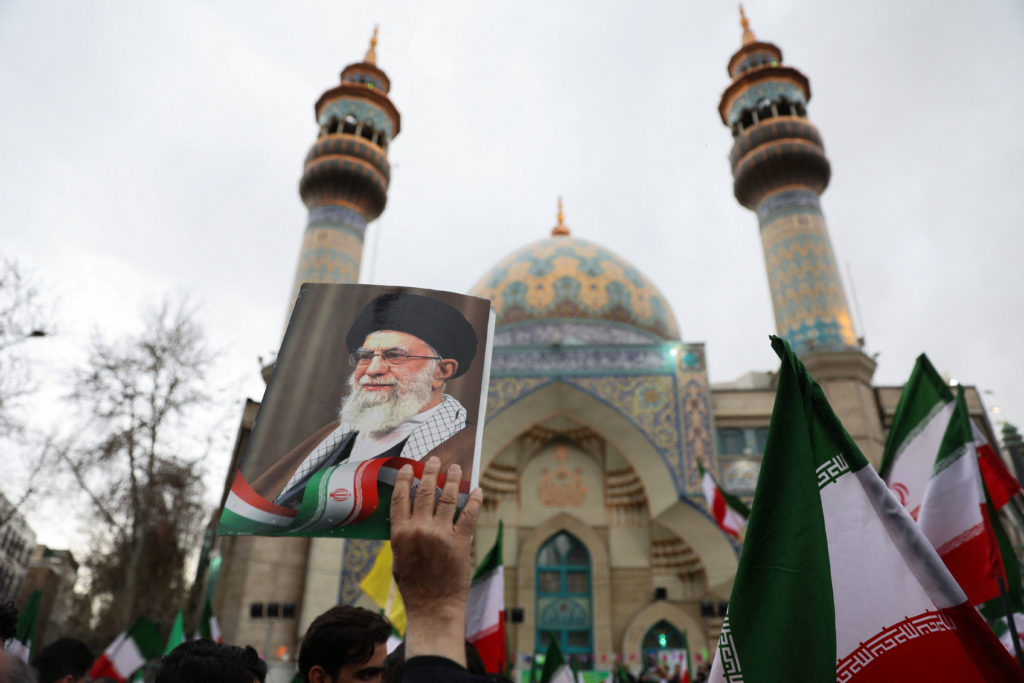
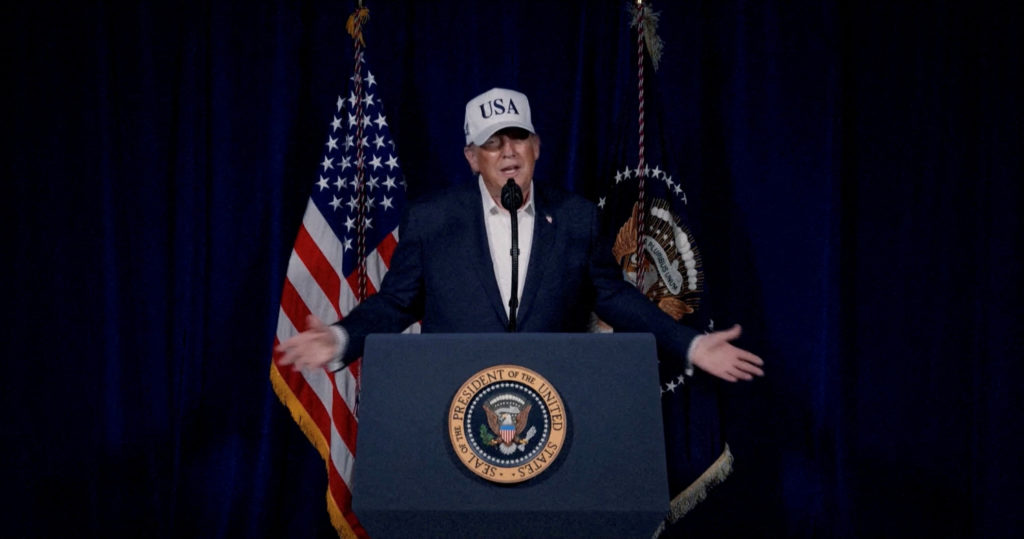
Reports confirm that the United States and Israel initiated an attack on Iran Saturday, with the initial impact reported near the offices of Supreme Leader Ayatollah Ali Khamenei. This action heightens concerns about the potential for a devastating humanitarian crisis and further destabilization of an already volatile region.
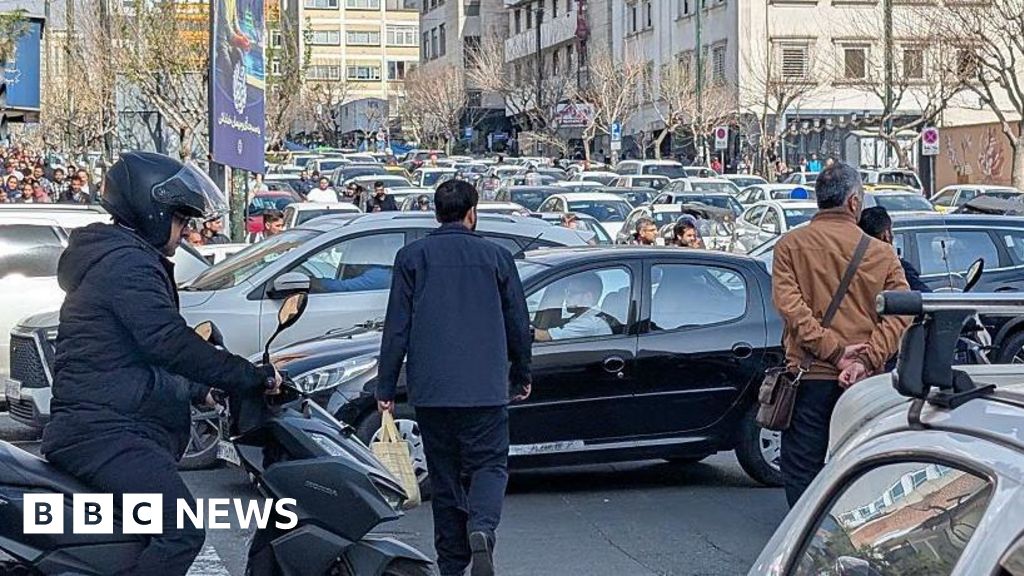
The targeting of an area near the Supreme Leader's office raises questions about the proportionality of the attack and the potential for civilian casualties. The Iranian people, who have already endured years of economic hardship due to sanctions, now face the prospect of armed conflict and its attendant suffering.
The historical context of U.S.-Iranian relations is crucial to understanding this event. Decades of interventionist policies, including the 1953 coup that overthrew Iran's democratically elected government, have fueled resentment and mistrust. This history must inform any analysis of the current situation.
The ongoing sanctions regime has disproportionately harmed ordinary Iranians, limiting access to essential medicines and hindering economic development. A military conflict would only exacerbate these problems, pushing millions further into poverty and despair.
Progressive voices have long advocated for a diplomatic resolution to the tensions with Iran, emphasizing the importance of dialogue and mutual understanding. This attack represents a dangerous departure from that path, threatening to unleash a cycle of violence and retaliation.
The potential for a wider conflict is particularly alarming. The Middle East is already grappling with numerous humanitarian crises, and a war involving Iran could overwhelm existing aid structures and displace millions of people.
Environmental concerns must also be considered. A military conflict could damage critical infrastructure, leading to pollution and environmental degradation. The long-term consequences for the region's ecosystems could be catastrophic.
It is imperative that the international community condemns this attack and calls for an immediate cessation of hostilities. Diplomatic channels must be reopened, and a renewed effort must be made to address the underlying causes of the conflict.
Humanitarian aid must be prioritized to mitigate the suffering of the Iranian people. Resources should be directed towards providing food, shelter, and medical care to those affected by the conflict.
Ultimately, a lasting peace requires a commitment to justice and equality. The rights of the Iranian people must be respected, and their voices must be heard. Only through dialogue and mutual understanding can we hope to build a more peaceful and just world.
This situation demands a critical examination of the role of military industrial complex and its influence on foreign policy decisions. War is profitable for some, but devastating for many, and the human cost is simply too high.
Sources: * United Nations Human Rights Office * International Crisis Group * Arms Control Association