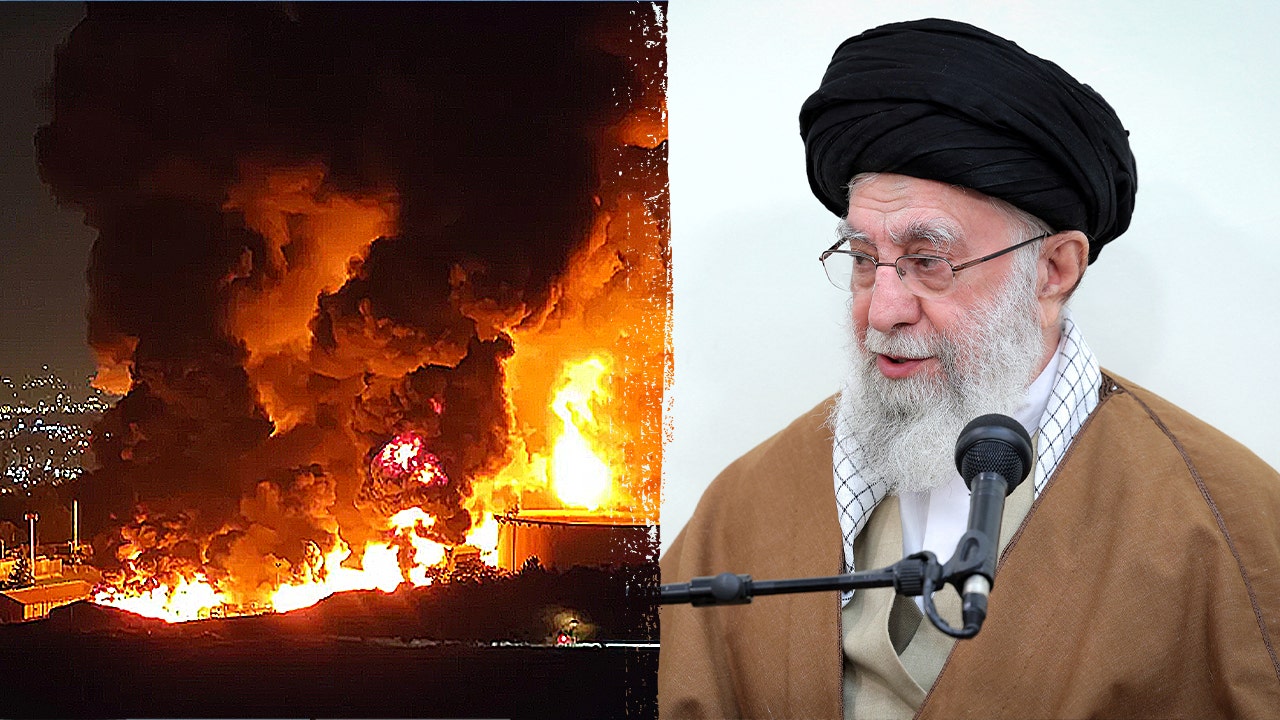
US-Israeli Attack on Iran Threatens Humanitarian Catastrophe
Escalating military action risks civilian lives and undermines diplomatic efforts for peace in the region.

The recent military action by the United States and Israel against Iran marks a dangerous escalation that threatens to unleash a humanitarian crisis and further destabilize the already volatile Middle East. The coordinated strikes raise serious questions about the disproportionate use of force and the disregard for civilian lives in a region already wracked by conflict.
This act of aggression comes at a time when diplomatic negotiations aimed at curbing Iran's nuclear program were showing signs of progress. By choosing military intervention over diplomacy, the US and Israel are not only jeopardizing these vital talks but also sending a message that peaceful resolution is not a priority.
The potential for civilian casualties is immense. The densely populated areas targeted by the strikes put countless innocent lives at risk. Beyond the immediate impact of the attacks, the long-term consequences for the Iranian people, who already face economic hardship due to sanctions, are dire.
This military intervention also raises concerns about international law and the potential violation of Iran's sovereignty. Without a clear mandate from the United Nations Security Council, the US and Israel are acting unilaterally, undermining the principles of international cooperation and setting a dangerous precedent for future military actions.
The history of US intervention in the Middle East is replete with examples of unintended consequences and devastating human costs. The Iraq War, for instance, led to the deaths of hundreds of thousands of civilians and the rise of extremist groups. Learning from these past mistakes is crucial to preventing further bloodshed and instability.
It's imperative that the international community condemns these attacks and demands an immediate cessation of hostilities. Diplomatic pressure must be brought to bear on the US and Israel to return to the negotiating table and pursue a peaceful resolution to the conflict.
Furthermore, there must be a thorough and independent investigation into the potential war crimes committed during these strikes. Holding those responsible accountable is essential to ensuring justice for the victims and preventing future atrocities.
The focus must shift from military intervention to addressing the root causes of the conflict, including economic inequality, political repression, and the proliferation of weapons. Investing in sustainable development, promoting human rights, and fostering dialogue are essential steps towards building a more peaceful and just future for the Middle East.
The attack on Iran underscores the urgent need for a fundamental shift in US foreign policy. We must move away from a reliance on military force and embrace a commitment to diplomacy, international cooperation, and respect for human rights. Only through such a transformation can we hope to create a world where peace and justice prevail.
We must also remember the impact on the working class both in the US and in Iran. War diverts resources away from vital social programs and disproportionately impacts working families, who bear the brunt of the economic consequences. A focus on peace and diplomacy is essential for promoting economic security and opportunity for all.
The path to peace requires a commitment to justice, equality, and human dignity. Let us stand in solidarity with the people of Iran and work towards a future where all people can live in peace and security. The alternative is unthinkable.