Strikes on Iran Threaten Humanitarian Crisis, Fuel Power Grab
Reported targeting of Iranian leadership raises concerns about civilian impact and the potential for a more authoritarian regime.
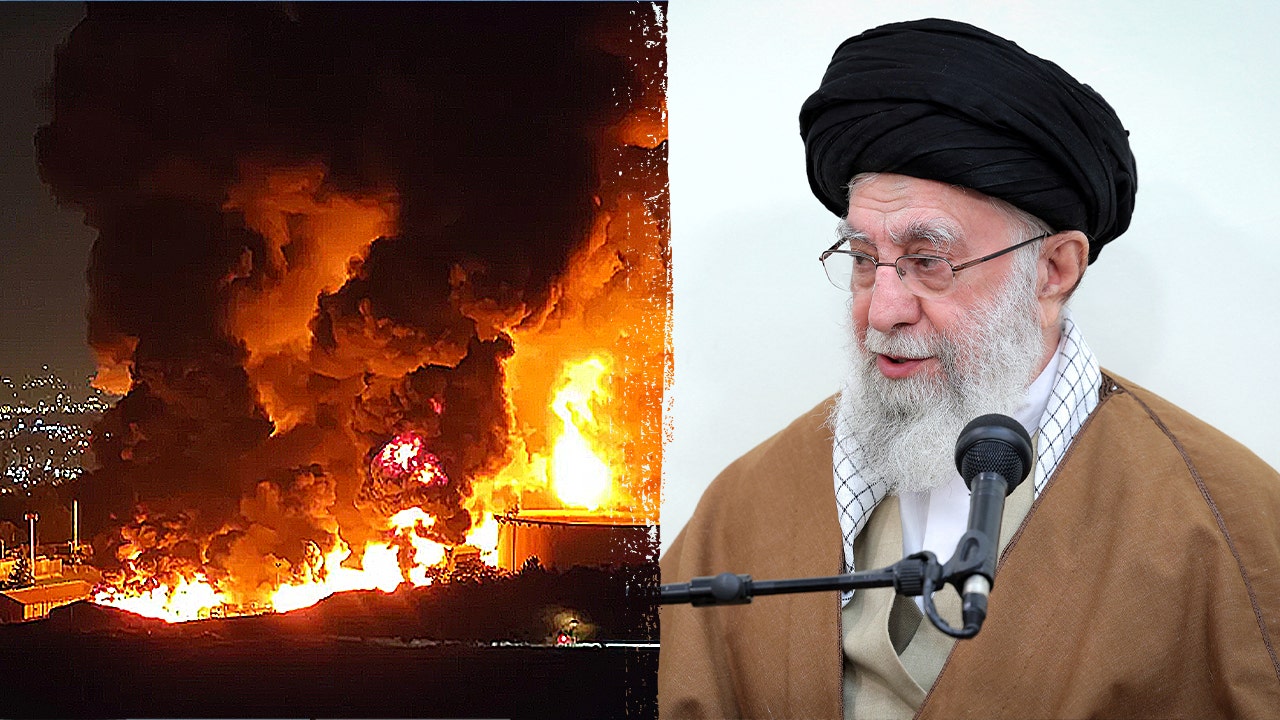
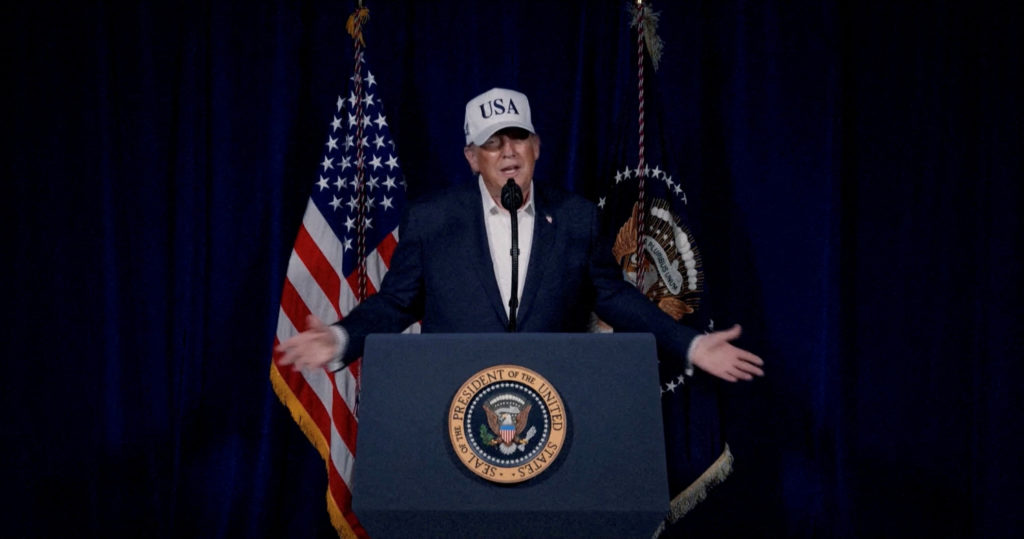
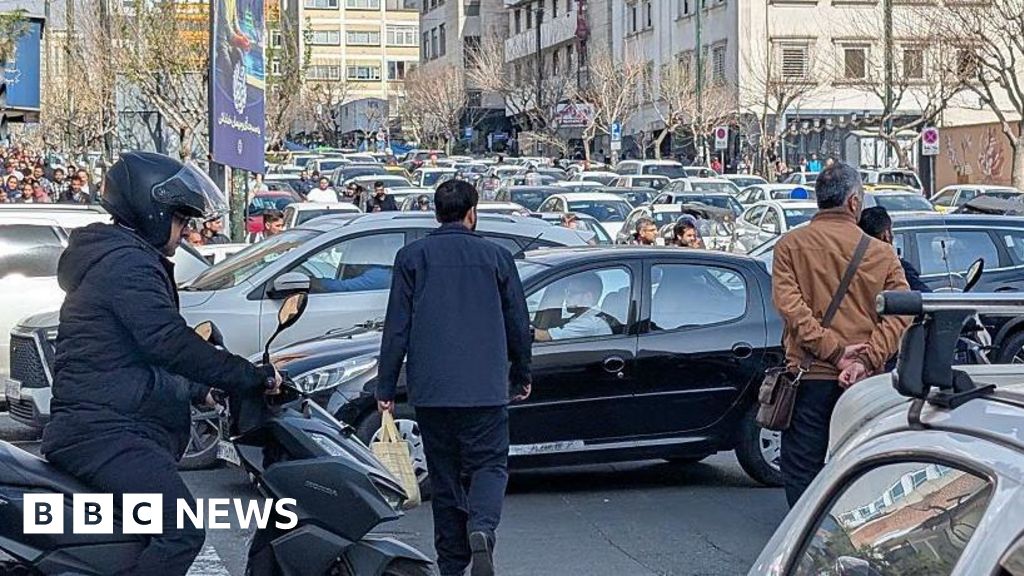
Joint U.S.-Israeli strikes reportedly targeting Iranian leaders, including Supreme Leader Ayatollah Ali Khamenei and President Masoud Pezeshkian, risk exacerbating the already precarious situation for ordinary Iranians. While Iranian state media claims the leaders are safe, the strikes represent a dangerous escalation that could trigger a humanitarian crisis and further entrench oppressive forces.
The focus on leadership succession obscures the real concern: the potential for widespread suffering among the Iranian people. The stability of the Islamic Revolutionary Guard Corps (IRGC) is being touted as a key factor, but the real question is whether the IRGC will continue to prioritize its own power over the needs of the population.
If the IRGC consolidates its power, as experts suggest is possible, the outcome will not be a democratic transition but a more repressive, security-dominated system. This would further stifle dissent, limit freedoms, and deepen the economic hardship faced by millions of Iranians.
Reza Pahlavi, son of the former Shah, calls the strikes a "humanitarian intervention," but his privileged background and decades in exile disqualify him from truly understanding the plight of ordinary Iranians. While he advocates for a secular, democratic system, his ties to a monarchy that was itself deeply undemocratic raise serious questions about his commitment to genuine social justice.
Mariya Rajavi and the National Council of Resistance of Iran (NCRI) offer a provisional government framework, but their history of alleged human rights abuses and cult-like practices makes them an equally problematic alternative. Neither Pahlavi nor Rajavi can credibly claim to represent the interests of the Iranian people.
The focus on regime change ignores the structural inequalities and historical injustices that have plagued Iran for decades. A true path forward requires addressing these underlying issues and empowering grassroots movements that prioritize social justice, economic equality, and human rights.
The international community must resist the temptation to impose solutions from the outside. Instead, it should focus on providing humanitarian aid, supporting independent civil society organizations, and advocating for the release of political prisoners.
The strikes risk creating a power vacuum that could be exploited by extremist groups, further destabilizing the region and increasing the threat of terrorism. A more equitable and just future for Iran requires a commitment to diplomacy, dialogue, and a rejection of violence.
The potential for widespread suffering among the Iranian people is a direct result of the escalating tensions. The focus should be on de-escalation and finding a peaceful resolution to the conflict.
The reported strikes represent a dangerous gamble that could have devastating consequences for the region and the world. The priority must be on protecting civilians and promoting a just and sustainable peace.
Sources:
* Amnesty International * Human Rights Watch * United Nations Human Rights Office * International Crisis Group