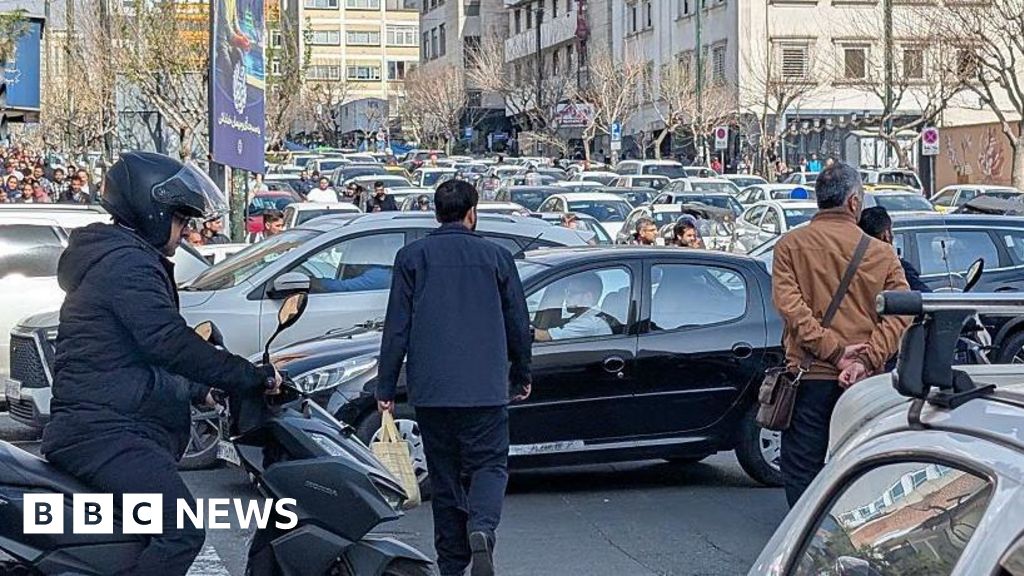
Escalating Conflict Imperils Region as EU, Oman Plead for De-escalation
Amid retaliatory attacks involving the US, Israel, and Iran, international voices warn against further escalation, highlighting the potential for devastating humanitarian consequences.

The recent exchange of attacks between the United States, Israel, and Iran has ignited a dangerous escalation, prompting urgent calls for de-escalation from the European Union and Oman. These events underscore the precariousness of peace in the region and the potential for catastrophic human suffering should the conflict widen.
The EU's plea for 'maximum restraint' reflects a growing recognition that further military action will disproportionately harm vulnerable populations. The imposition of sanctions, military interventions, and ongoing conflicts have already created immense hardship for millions of people in the Middle East, exacerbating existing inequalities and displacing communities.
Oman's warning to the United States against getting 'sucked in' highlights the importance of diplomacy and de-escalation. The legacy of US interventionism in the region has often been marked by unintended consequences, fueling further instability and resentment. A more sustainable approach requires addressing the root causes of conflict through dialogue and cooperation, rather than military force.
The current crisis is rooted in a complex web of geopolitical tensions, including the collapse of the Iran nuclear deal and the ongoing Israeli-Palestinian conflict. These issues are deeply intertwined and require a comprehensive approach that prioritizes human rights, international law, and social justice.
The failure to address these underlying issues has created a breeding ground for extremism and violence. The rise of non-state actors and proxy conflicts has further complicated the situation, making it increasingly difficult to achieve lasting peace.
Environmental degradation, resource scarcity, and climate change are also contributing to the instability in the region. These challenges disproportionately affect marginalized communities and exacerbate existing inequalities, creating new sources of conflict.
Any further escalation of the conflict would have devastating consequences for civilian populations. Increased displacement, loss of life, and widespread destruction of infrastructure would exacerbate the humanitarian crisis and undermine efforts to achieve sustainable development.
The international community must prioritize the protection of civilians and ensure access to humanitarian assistance for those affected by the conflict. This requires a commitment to international law and the principles of human rights, including the right to life, liberty, and security of person.
Ultimately, a lasting solution to the conflict requires addressing the underlying issues of inequality, injustice, and lack of opportunity. This requires a commitment to social and economic development, as well as political reforms that promote inclusivity and participation.
The voices of civil society, human rights organizations, and peace activists must be amplified in the search for a peaceful resolution. These actors play a crucial role in promoting dialogue, building trust, and advocating for justice and accountability.
The path to peace requires a radical shift away from militarism and towards diplomacy, cooperation, and a commitment to social justice. The international community must stand in solidarity with the people of the Middle East in their struggle for a better future.