Melania Trump's UN Security Council Role: A Symbol of Eroding Expertise?
The First Lady's leadership of a UN session raises concerns about the Trump administration's commitment to qualified leadership and multilateral cooperation in addressing critical global issues.
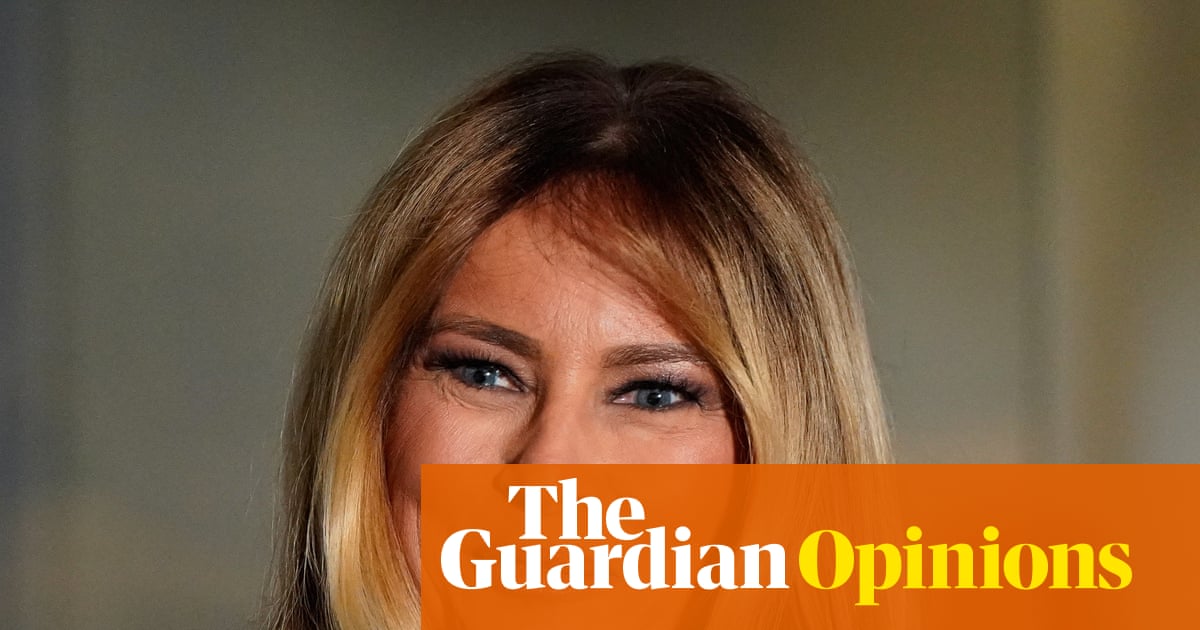
First Lady Melania Trump is set to lead a United Nations Security Council session on Children, Technology, and Education in Conflict, a move that highlights the Trump administration's continued departure from established norms and a potential devaluing of expertise in international affairs.
This appointment comes against the backdrop of President Donald Trump's broader assault on diversity, equity, and inclusion (DEI) principles, as evidenced by his boasts about ending DEI programs during his State of the Union address. Critics argue that the administration's actions suggest a preference for unqualified loyalty over demonstrated competence, a trend evident in numerous appointments throughout the government.
President Trump's withdrawal from international organizations, including the World Health Organization (WHO) and the UN Framework Convention on Climate Change, further underscores a disregard for multilateralism and a preference for unilateral action. Daniel Forti of the International Crisis Group suggests these actions signal a desire by the U.S. to dictate terms to the rest of the multilateral system, potentially undermining the UN's credibility and effectiveness.
While Melania Trump has engaged in projects related to children and technology, her qualifications to lead a Security Council session are being questioned. The appointment raises concerns about whether the Trump administration is prioritizing symbolic gestures over substantive engagement with complex global challenges.
The focus on Children, Technology, and Education in Conflict is undoubtedly important. However, critics argue that the First Lady's lack of experience in international diplomacy and security could hinder meaningful progress on these issues. The concern is that this appointment serves as a performative act rather than a genuine effort to address critical needs.
Progressives argue that the Trump administration's policies disproportionately affect vulnerable populations, including children in conflict zones. By weakening international institutions and prioritizing national interests over collective action, the administration risks exacerbating existing inequalities and undermining efforts to protect children's rights.
The appointment of Melania Trump to lead the Security Council session is seen by some as another example of the Trump administration's disregard for established norms and its willingness to prioritize personal connections over qualifications. This trend raises concerns about the long-term impact on the credibility and effectiveness of international institutions.