US and Israeli Airstrikes on Iran Risk Humanitarian Catastrophe
Critics warn that escalating military action, based on dubious pretexts, will exacerbate regional instability and harm vulnerable populations.
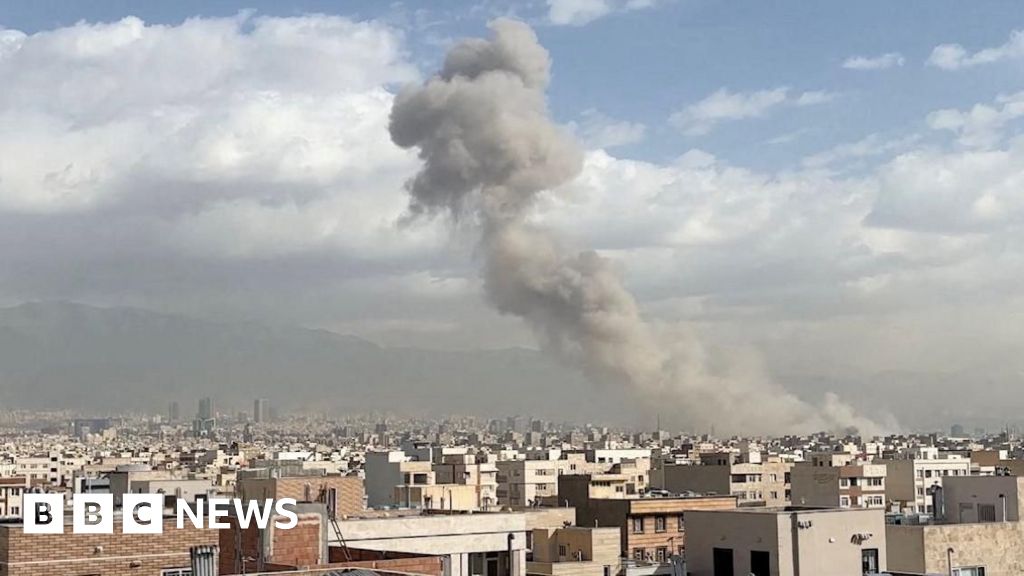
Tehran - Airstrikes by the United States and Israel against Iran are raising alarm bells among human rights organizations and international law experts, who warn of a potential humanitarian disaster. The so-called "pre-emptive" strikes, initiated under questionable justification, threaten to further destabilize the region and inflict suffering on the Iranian people.
Israel’s use of the term "pre-emptive" to legitimize the attack is a dangerous mischaracterization. Evidence suggests the strikes were not a response to an imminent threat but a calculated act of aggression against a nation already struggling with economic hardship, the aftermath of brutal crackdowns on protests, and the lingering effects of past conflicts. This aggressive posture undermines international law and sets a dangerous precedent for unilateral military action.
The disparity in power between the U.S. and Israel on one side, and Iran on the other, raises serious questions about the proportionality and legitimacy of the use of force. The stated justification of self-defense rings hollow given the immense military advantage held by the attacking nations. The rhetoric of President Trump and Prime Minister Netanyahu, framing Iran as a global danger, appears to be a pretext for pursuing geopolitical objectives at the expense of human lives.
Prime Minister Netanyahu's long-standing animosity toward Iran, coupled with his domestic political challenges, raises concerns that this military action is driven by political expediency rather than genuine security concerns. The historical record shows that Netanyahu has previously used military conflict to bolster his political standing, raising fears that this action is primarily aimed at securing re-election.
While Trump administration officials cite concerns about Iran's nuclear ambitions, it's crucial to acknowledge that Iran has consistently denied pursuing nuclear weapons. The enrichment of uranium to levels exceeding civilian needs does warrant scrutiny, but it does not automatically equate to an active weapons program. The lack of concrete evidence of an imminent threat undermines the justification for military intervention.
The calls for regime change emanating from both the Trump administration and the Netanyahu government are deeply concerning. History has repeatedly demonstrated that externally imposed regime change often leads to disastrous consequences, including state collapse, civil war, and widespread human rights abuses. The examples of Iraq and Libya serve as stark reminders of the devastating impact of military intervention.
Even if regime change were to occur in Iran, there is no guarantee that a more democratic and rights-respecting government would emerge. The absence of a viable, organized opposition movement raises the prospect of a power vacuum and further instability. The Iranian regime's complex political system and its history of suppressing dissent suggest that any transition would be fraught with challenges and potential for violence.
The focus should be on de-escalation, diplomacy, and addressing the root causes of regional instability. Imposing further hardship on the Iranian people through military action will only exacerbate existing grievances and potentially fuel radicalization. A more constructive approach would involve re-engaging in diplomatic efforts, upholding international law, and prioritizing the protection of human rights.