Exploiting Neglect: ISIS Re-emerges in Syria Amid Government's Western Turn
Marginalized communities in northeastern Syria provide fertile ground for ISIS recruitment as government policies fail to address local grievances.
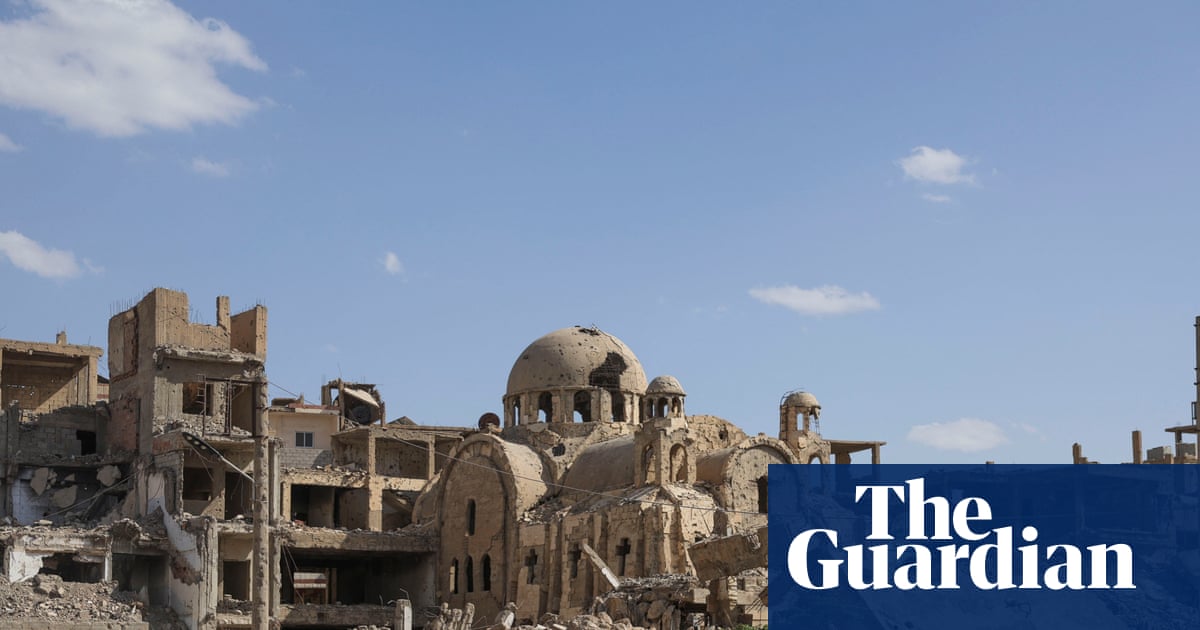
Baghuz, Syria - In the dust and rubble of northeastern Syria, a familiar threat is re-emerging: the Islamic State (ISIS). Nearly seven years after its territorial defeat in Baghuz, the group is exploiting the deep-seated discontent of communities neglected by the Syrian government's shift towards Western ideologies.
The scars of ISIS's brutal reign are still visible in Baghuz, where the land remains barren over the graves of its fighters. But according to a local activist, who requested anonymity, the ideology has not been eradicated. Instead, it simmers beneath the surface, fueled by the perceived abandonment of traditional values and economic hardships.
The province of Deir ez-Zor, long overlooked by Damascus, has become a breeding ground for ISIS recruitment. Civil society activist Deeban Harwil notes that sympathizers are easily identifiable, suggesting a widespread sense of disenfranchisement and a yearning for an alternative to the current state of affairs.
ISIS's recent resurgence is marked by a public address from its spokesperson, Abu Hudhayfah al-Ansari, who condemned President Ahmed al-Sharaa as a Western puppet. This rhetoric resonates with those who feel their voices are not being heard and their needs are not being met by the government's new direction.
The subsequent wave of attacks on government checkpoints underscores the desperation and anger simmering in the region. These acts of violence are not merely the work of hardened terrorists, but also a manifestation of the frustration and resentment of marginalized populations who feel they have nothing to lose.
Analysts point to a strategic rebranding effort by ISIS, aimed at recruiting a new generation of followers. Bashar Hassan, an IS analyst and former prisoner, argues that the group is attempting to distance itself from the horrific violence that defined its previous incarnation. This shift suggests a recognition that brutality alone cannot win hearts and minds.
During its reign, ISIS subjected communities to unimaginable horrors, including mass killings, sexual enslavement, and public executions. These atrocities left deep scars and fueled resistance against the group. However, the failure of the Syrian government to address the underlying causes of discontent has created a vacuum that ISIS is now exploiting.
The current situation demands a comprehensive approach that goes beyond military solutions. The Syrian government must prioritize inclusive governance, economic development, and social justice to address the grievances that fuel ISIS recruitment. Failure to do so will only perpetuate the cycle of violence and instability.