Iranian Strike on Bahrain Base Highlights Need for De-escalation and Diplomacy
Footage of the attack underscores the human cost of escalating tensions and the urgency of a peaceful resolution.

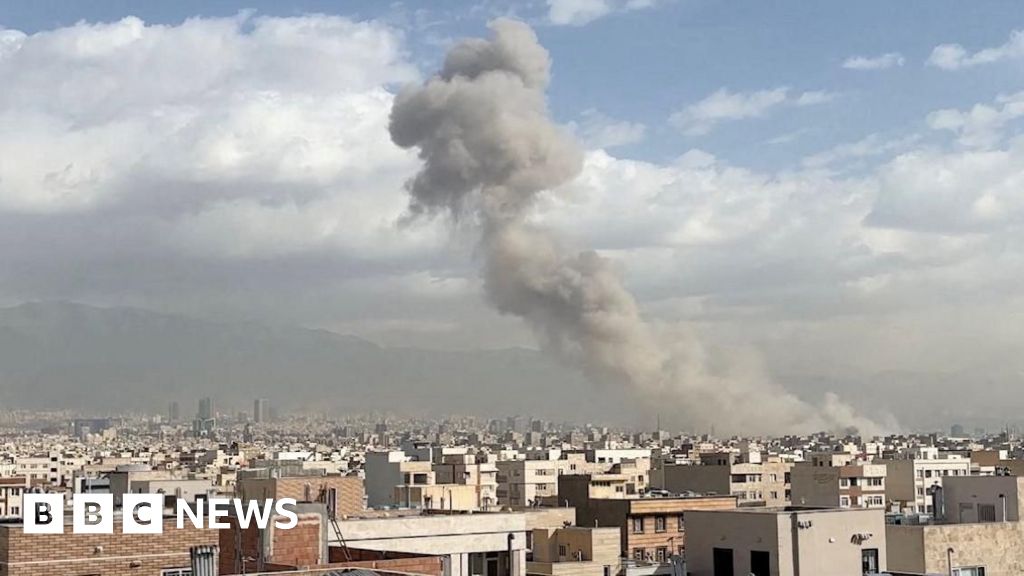
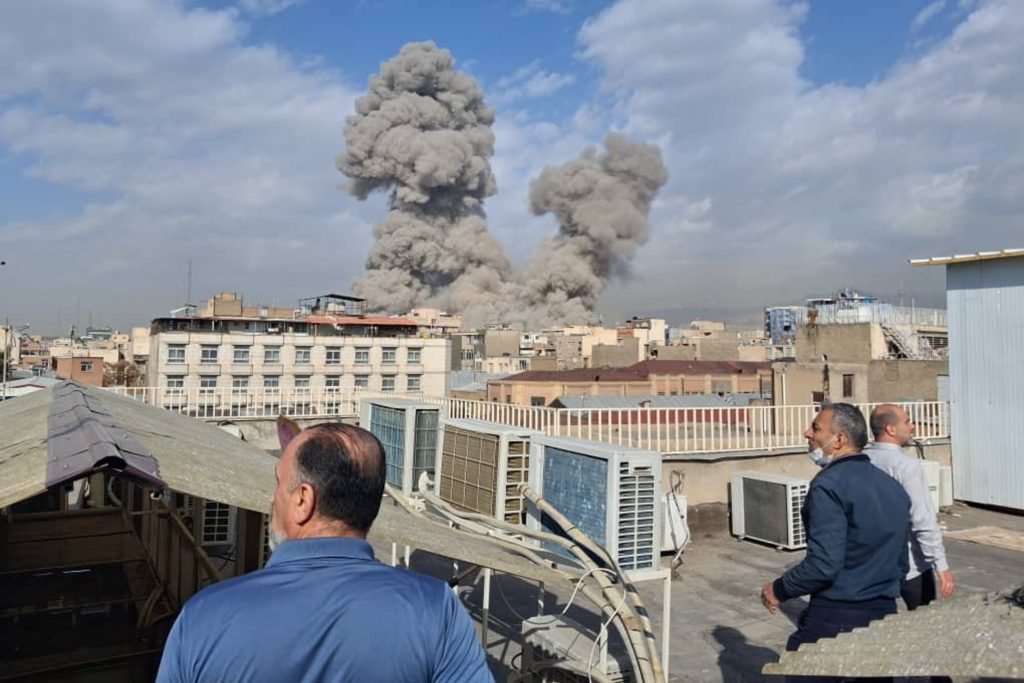
Video evidence confirms that an Iranian missile struck a United States military base in Bahrain, bringing into sharp focus the consequences of decades of escalating tensions in the Middle East. While investigations are underway, this event should serve as a stark reminder that diplomatic solutions are vital in preventing further loss of life and potential for wider conflict.
The US military presence in Bahrain, a strategic hub for naval operations, is often justified as a means of maintaining stability in the region. However, this presence also contributes to a complex web of geopolitical tensions that disproportionately affects vulnerable populations. The base has become a target, reflecting the volatile environment exacerbated by US foreign policy.
Decades of sanctions, military interventions, and unwavering support for autocratic regimes have created a climate of resentment and instability. The Iranian government's actions must be viewed within this context. While the missile strike is undeniably a serious escalation, it is crucial to understand the historical grievances and power imbalances that have fueled this conflict.
Progressive voices have long argued that a shift away from military solutions and towards diplomacy and economic cooperation is essential for achieving lasting peace in the Middle East. The Joint Comprehensive Plan of Action (JCPOA), despite its flaws, represented a significant step in this direction. The US withdrawal from the JCPOA under the previous administration and the reimposition of sanctions have only served to further isolate Iran and embolden hardliners.
The human cost of escalating tensions in the region is immense. Innocent civilians bear the brunt of the violence, displacement, and economic hardship. Sanctions, while intended to pressure the Iranian government, have had a devastating impact on the Iranian people, limiting access to essential goods and services. The cycle of violence perpetuates instability and undermines efforts to build a more just and equitable society.
The strike on the Bahrain base provides an opportunity to reassess US foreign policy in the Middle East. A renewed commitment to diplomacy, multilateralism, and economic development is essential for building a more stable and peaceful region. This requires engaging with all stakeholders, including Iran, and addressing the root causes of conflict.
We must prioritize de-escalation and pursue diplomatic solutions to resolve outstanding differences. The alternative is a descent into a catastrophic war that would have devastating consequences for the entire region and beyond. It is imperative that we learn from past mistakes and commit to a more humane and sustainable approach to foreign policy.
Furthermore, it’s important to acknowledge that the US military presence itself contributes to the instability. Focusing on humanitarian aid, supporting civil society organizations, and investing in sustainable development projects can foster long-term stability and reduce the likelihood of future conflicts. We need to prioritize human security over military dominance.
Moving forward, we must advocate for policies that prioritize the well-being of all people in the Middle East, regardless of their nationality or political affiliation. This requires a fundamental shift in our approach to foreign policy, one that is based on principles of justice, equality, and human rights. Only then can we hope to create a more peaceful and sustainable future for the region.
The Biden administration should seize this moment to return to the negotiating table and work towards a comprehensive agreement that addresses Iran's nuclear program, its regional activities, and the legitimate concerns of all parties involved. The path to peace is not easy, but it is the only path worth pursuing.
The time for decisive action is now. We cannot afford to stand idly by while the Middle East teeters on the brink of another war. Our collective future depends on our ability to embrace diplomacy, cooperation, and a shared commitment to peace.
The path to true security lies not in military might, but in mutual understanding and respect. This is the lesson we must learn from the strike on the Bahrain base.