Escape of Texas Game Ranch Giraffe Exposes the Fragility of Private Wildlife Ownership
The ongoing search for Gracie the giraffe in Real County highlights the systemic issues surrounding private exotic animal ranches and the public resources spent managing their fallout.
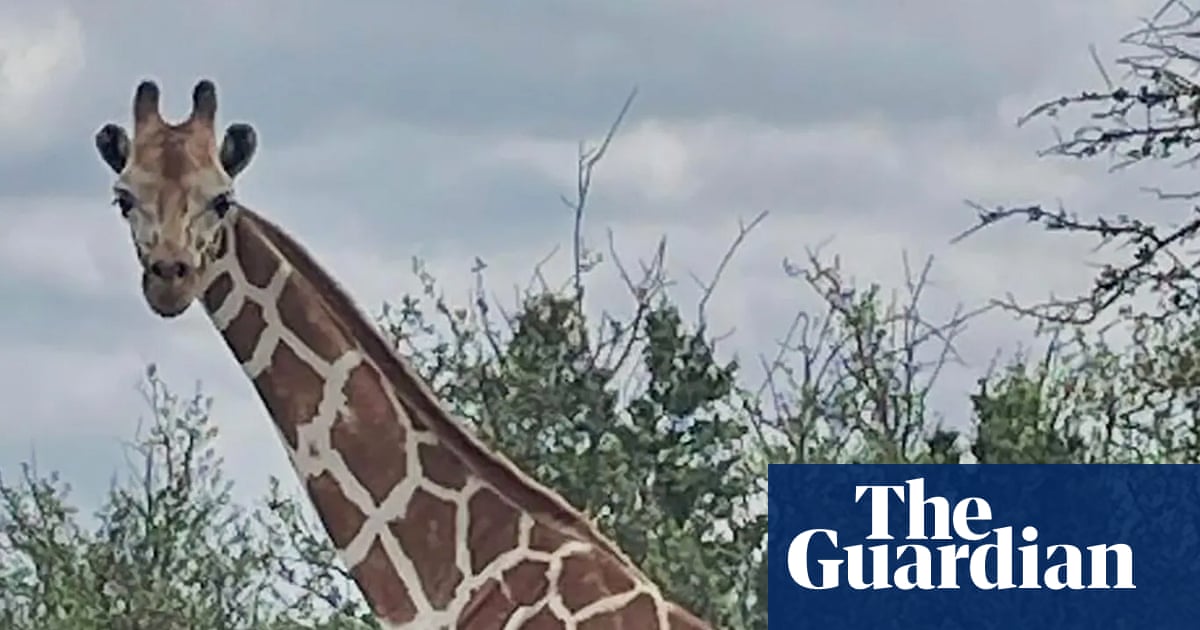
The ongoing search for Gracie, a missing three-and-a-half to four-year-old reticulated giraffe, has exposed the systemic vulnerabilities and ecological concerns surrounding private exotic wildlife ownership in Texas. For nearly two weeks, the displaced mammal has been wandering the rugged, hilly grasslands of Real County after escaping from the Cedar Hollow Ranch in Leakey. This incident highlights not only the lack of stringent oversight in private wildlife confinement but also the disproportionate use of public and private resources to manage the consequences of private negligence.
Gracie’s escape occurred under deceptively simple circumstances. According to ranch manager Vick Jones, the giraffe, a member of a species native to several eastern African countries, simply reached up to consume leaves from a tree and "came down on the wrong side of the gate." This minor containment failure allowed a large, non-native animal to wander freely into a vast, rural ecosystem. While some observers have viewed the situation with curiosity, animal welfare advocates and environmental conservationists point to the incident as a clear demonstration of the inherent risks of treating wild animals as private property and novelty attractions.
The class dynamics of the recovery effort are starkly visible in the methods deployed by the ranch's management. In an effort to recover their private asset, the ranch offered a substantial $5,000 reward and mobilized high-tech private surveillance, including helicopters and drones, to patrol the skies over Leakey. This massive expenditure of private wealth contrasts sharply with the economic realities of a rural community of just 700 residents, where public infrastructure and social services face persistent funding constraints. The spectacle of private helicopters scouring the Texas Hill Country to retrieve an exotic animal underscores the vast disparities in resource allocation that define the region.
Furthermore, the incident has diverted critical public resources and attention away from community needs. Real County Sheriff Nathan Johnson and his department have been forced to dedicate administrative labor and public safety communications to managing the fallout of the escape. While the sheriff’s office has attempted to maintain order, coordinates with adjacent landowners, and handles public inquiries, the responsibility for securing a privately owned exotic animal has ultimately been externalized onto the local community and public servants. This raises important questions about the public costs of private exotic game operations.