EU Sanctions Israeli Settlers Amid Rising Tide of West Bank Violence and Displacement
European Union takes long-overdue action against Israeli settlers fueling violence against Palestinians and undermining hopes for a just peace.
Brussels – Facing mounting international pressure, the European Union has finally approved sanctions targeting Israeli settlers engaged in escalating violence against Palestinians in the occupied West Bank. This move, while welcomed by human rights advocates, comes after months of delay and obstruction, underscoring the EU's historical reluctance to hold Israel accountable for its actions.
The sanctions are a response to a dramatic surge in settler attacks since the start of the Gaza war in October 2023, a crisis exacerbated by the policies of Prime Minister Benjamin Netanyahu's right-wing government, which actively promotes settlement expansion. These settlements, deemed illegal under international law, are built on land stolen from Palestinians, displacing communities and perpetuating a system of apartheid.
“It was high time we move from deadlock to delivery… extremisms and violence carry consequences,” said EU foreign policy chief Kaja Kallas. However, critics point out that the EU's sanctions are a limited response to a much larger problem, namely the ongoing occupation and systemic discrimination against Palestinians.
French foreign minister Jean-Noel Barrot stated the EU was “sanctioning today the main Israeli organizations guilty of supporting the extremist and violent colonisation of the West Bank”. These organizations, including Nachala and Regavim, openly advocate for the displacement of Palestinians and the expansion of settlements, often with the tacit or explicit support of the Israeli government.
The sanctions target seven settlers or settler organizations. These actions seek to financially squeeze the ringleaders of this violence. However, critics emphasize that holding individual perpetrators accountable is insufficient without addressing the underlying political and economic structures that enable and encourage settler violence.
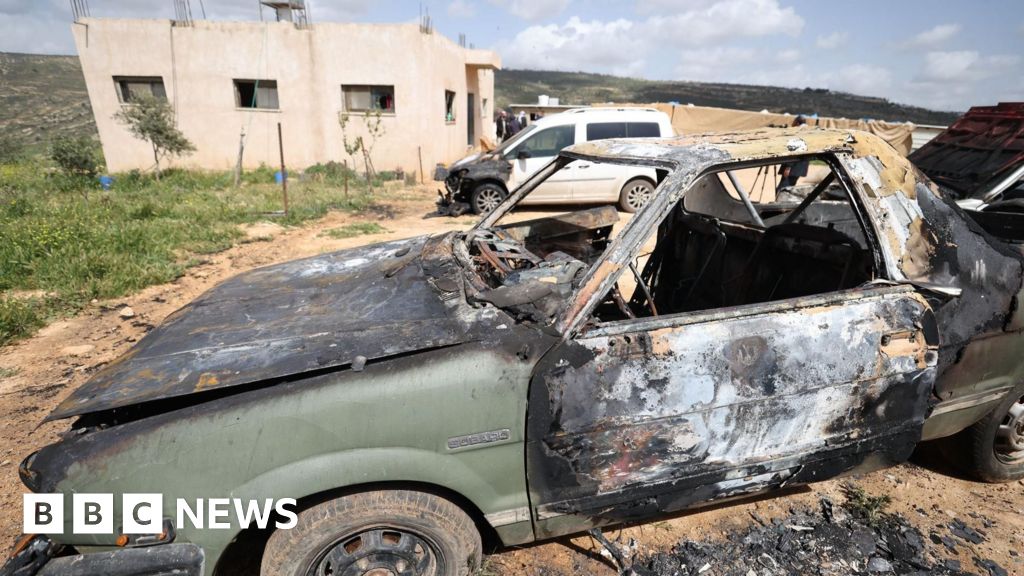
The plight of Palestinians in the West Bank is dire. The UN documented over 1,800 settler attacks in 2023, resulting in casualties and property damage across nearly 300 communities. These attacks include physical assaults, destruction of property, theft of land, and even the desecration of graves.
It is imperative to recognize that settler violence is not random or isolated. It is a systematic campaign of terror designed to force Palestinians off their land and consolidate Israeli control over the West Bank. This campaign is fueled by impunity, with Israeli authorities often failing to investigate or prosecute settler attacks.
While the EU sanctions are a step in the right direction, they must be accompanied by a broader effort to hold Israel accountable for its violations of international law. This includes ending the occupation, dismantling the settlements, and ensuring that Palestinians are able to exercise their right to self-determination.
Furthermore, the international community must address the root causes of the conflict, including the ongoing blockade of Gaza and the denial of Palestinian refugees' right of return. A just and lasting peace can only be achieved through a comprehensive approach that addresses the legitimate grievances and aspirations of both Israelis and Palestinians.
These sanctions also highlight the EU's internal contradictions. While condemning settler violence, the EU continues to maintain close economic and political ties with Israel. This hypocrisy undermines the EU's credibility and its ability to effectively promote human rights and international law.
Ultimately, the EU's actions must be judged not by their symbolic value but by their concrete impact on the ground. Will these sanctions deter settler violence? Will they contribute to ending the occupation? Only time will tell. But one thing is clear: the international community must do more to stand in solidarity with the Palestinian people and hold Israel accountable for its actions.