EU Weighs Protections Against China's 'China Shock 2.0' to Safeguard Workers, Prevent Rust Belt Repeat
As imports from China surge, the EU considers intervention to protect domestic industries and prevent a race to the bottom for European workers.
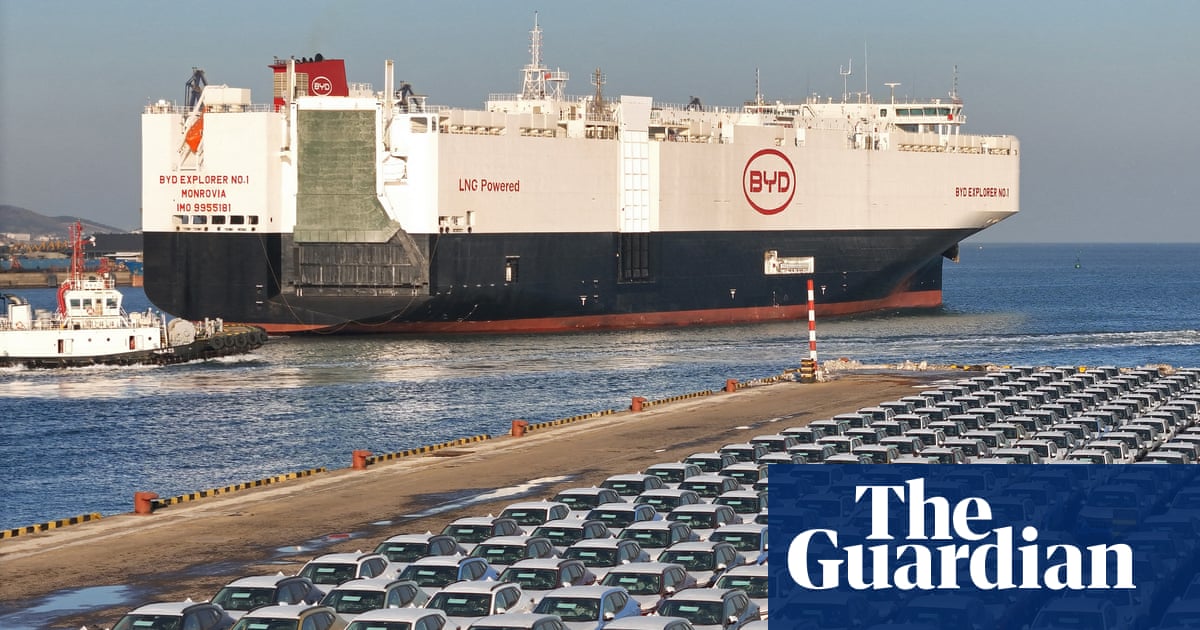
BRUSSELS – The European Commission is grappling with a critical question: how to manage the increasing influx of imports from China to protect European jobs and prevent the creation of 'rust belt' regions similar to those devastated in the United States. Commissioners will meet Friday to discuss potential restrictions on Chinese imports, driven by fears that unchecked growth could lead to a decline in European manufacturing and a corresponding loss of livelihoods.
The concern is that a new wave of Chinese imports, dubbed 'China Shock 2.0,' threatens to replicate the economic devastation experienced by the US after China's entry into the World Trade Organization. This surge includes not only consumer goods but also vital components for industries like medical devices, raising concerns about the vulnerability of European supply chains and the potential for job losses.
Each member state has been asked to provide examples of Chinese activities impacting their specific sectors, from trade and agriculture to defense and healthcare. This comprehensive assessment will allow the Commission to understand the full scope of the challenge and develop a coordinated response.
A central issue is the significant price difference between Chinese imports and domestically produced goods, with some Chinese products being up to 40% cheaper. While lower prices benefit consumers in the short term, the long-term consequences for European workers and industries could be severe. This dynamic creates a race to the bottom, forcing European companies to cut costs, reduce wages, or even close down to compete.
Ignacio García Bercero, a senior fellow at Bruegel, suggests that the EU needs a clear strategy, including tools like quotas and tariff rate quotas, to address the influx of Chinese goods while still maintaining engagement with China. He argues that decisive action is needed to protect European interests and ensure fair competition.
The potential use of the EU’s anti-coercion instrument, cybersecurity act 2.0, and the 'made in EU' law signal a willingness to take strong measures to safeguard European industries. These measures could prevent the procurement of certain Chinese products and incentivize domestic production.
Grzegorz Stec from the Mercator Institute for China Studies (Merics), highlights the challenges of changing China’s economic model, which prioritizes the survival of its own industries. This focus, driven by China's 15th five-year plan and its vision for a post-AI world, may unintentionally harm European businesses.