Eurovision 2026: Cultural Celebration Faces Boycott Over Israeli Participation
As Eurovision commences, a partial boycott highlights the intersection of art, politics, and international solidarity.
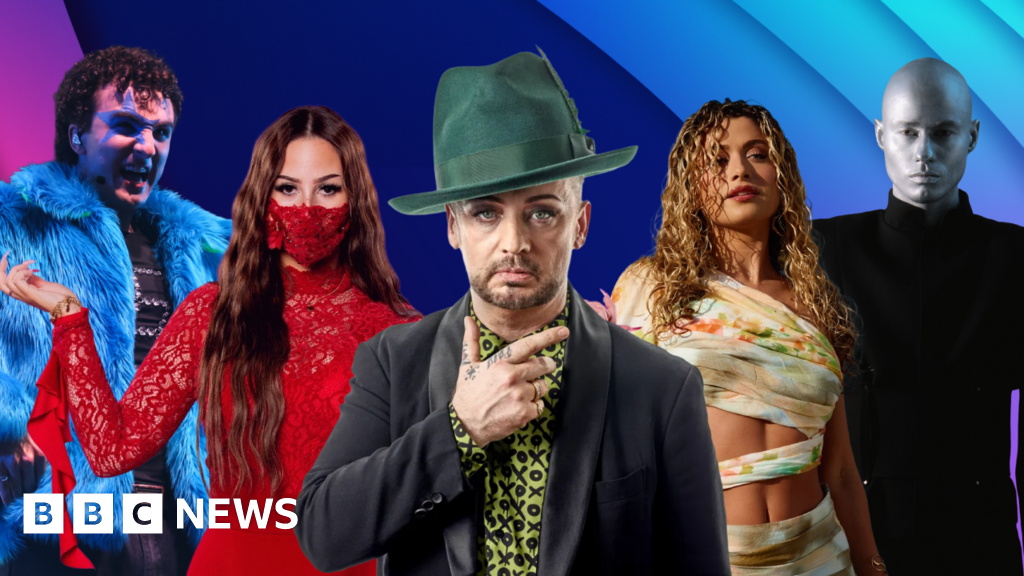
Vienna, Austria – The 2026 Eurovision Song Contest unfolds this Tuesday, showcasing talent from 35 nations. However, the celebration is overshadowed by a partial boycott protesting Israel’s participation, marking the smallest contest since 2003 and underscoring the ethical dilemmas faced by artists and cultural institutions in politically charged contexts.
The boycott raises critical questions about the role of cultural events in addressing social justice issues. While some argue that Eurovision should remain apolitical, others assert that silence is complicity, especially when human rights are at stake. The boycott highlights a growing demand for accountability and solidarity with marginalized communities.
France's Monroe, a 17-year-old prodigy, presents Regarde!, a song celebrating France’s diverse musical heritage. The song blends traditional French sounds with modern beats, reflecting the importance of cultural preservation and innovation. This fusion underscores the need to celebrate diverse voices and promote inclusivity within the arts.
Montenegro's Nova Zora by Tamara Živković is a powerful anthem of female empowerment, co-written by opera singer Vesna Aćimović. The song challenges gender stereotypes and advocates for a new dawn of equality. The message resonates in a world where women continue to face systemic barriers and discrimination.
Latvia’s Liene Atvara offers a poignant ballad, Ēnā, addressing the impact of parental alcoholism. The song sheds light on the challenges faced by children growing up in dysfunctional families, emphasizing the need for mental health support and social services.
Romania's Choke Me by Alexandra Căpitănescu has ignited controversy, with some interpreting the lyrics as a reference to sexual violence. While Căpitănescu denies these interpretations, the incident underscores the importance of sensitivity and awareness when addressing potentially triggering themes in art. The debate highlights the ongoing conversation about consent, safety, and artistic responsibility.
Switzerland’s Veronica Fusaro presents Alice, a seemingly sweet ballad with a dark twist. The song, written from the perspective of a stalker, raises unsettling questions about obsession, power dynamics, and the normalization of harmful behaviors. It serves as a reminder of the need to address and prevent stalking and harassment.
Bulgaria’s Dara offers a more uplifting song intended to encourage dancing and celebration. While escapism has its place, it is important to remain engaged with social issues and advocate for positive change.
Eurovision, while a celebration of music, exists within a global landscape of inequality and injustice. It is crucial to leverage cultural platforms to promote awareness, amplify marginalized voices, and advocate for a more just and equitable world. The boycotts are evidence that art should be a space for social commentary, reflection, and solidarity.