Eurovision Boycotts Expose Moral Cost of Ignoring Palestinian Suffering
As Eurovision celebrates its 70th year, boycotts over Israel's participation highlight the ethical implications of platforming nations accused of human rights abuses.
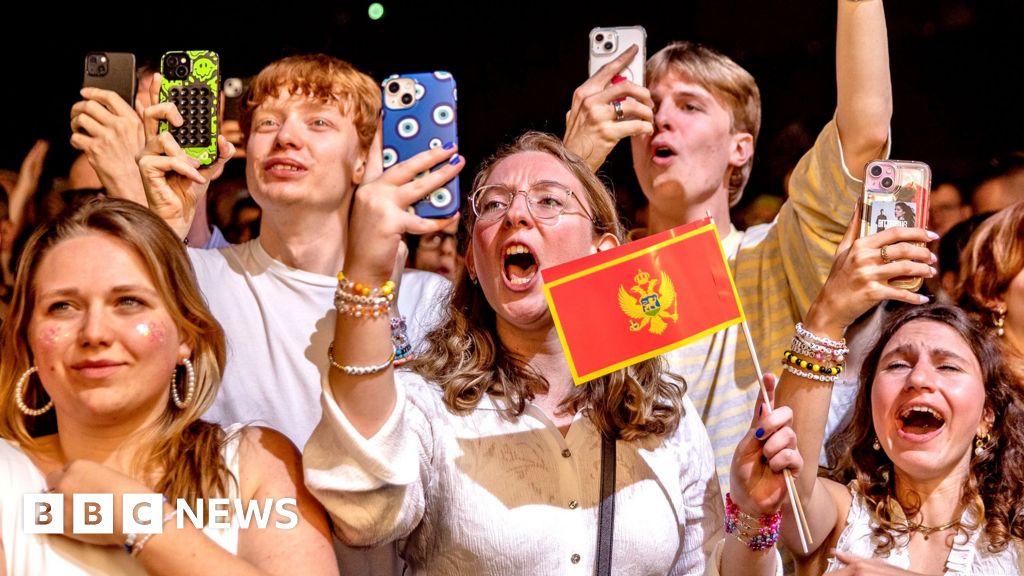
Vienna, Austria – The 2026 Eurovision Song Contest, hosted in Vienna, is marred by controversy as several nations boycott the event in protest of Israel's participation, throwing into sharp relief the ethical quandaries faced by international cultural platforms. The celebration of 70 years of Eurovision is overshadowed by the absence of Iceland, Ireland, the Netherlands, Slovenia, and Spain, all of whom refuse to participate while Israel is included, citing concerns over the nation’s ongoing military actions in Gaza.
The boycotts stem from Israel's military offensive, initiated in October 2023 following an attack by Hamas that resulted in approximately 1,200 Israeli deaths and 251 hostages, according to Israeli authorities. However, the subsequent Israeli offensive has resulted in a staggering 72,628 deaths in Gaza, as reported by the Hamas-led health authority, underscoring a severe power imbalance and raising concerns about disproportionate use of force. A ceasefire has been in effect since October 10, 2025.
The participation of Israel has long been a point of contention, with previous Eurovision contests in Malmö (2024) and Basel (2025) experiencing significant anti-Israel protests. The Israeli participant in 2025, Yuval Raphael, a survivor of the October 7 attacks, faced intense scrutiny and even had to prepare for potential booing during rehearsals. This highlights the emotional and psychological toll on individuals caught in the crossfire of geopolitical tensions.
Adding fuel to the fire, Raphael's unexpected victory in the public vote, despite ultimately taking second place due to jury scores, prompted accusations of political interference. Critics alleged that Israeli Prime Minister Benjamin Netanyahu's government leveraged official social media channels to sway public opinion, an unprecedented move that raised questions about the integrity of the voting process and the politicization of a supposedly apolitical event.
The withdrawal of key participants, including Spain, a major financial contributor, and Ireland, a seven-time winner, reflects a growing discomfort with Eurovision's perceived complicity in normalizing the actions of a nation accused of human rights violations. This raises a fundamental question: can cultural platforms truly remain neutral in the face of systemic injustice?
The controversy has deeply affected the Eurovision fan community, with some fan sites suspending coverage in solidarity with the Palestinian cause. Eurovision Hub, a prominent fan page, lamented the loss of the contest's original values, while Ireland's Eirevision podcast decried the unprecedented division and erosion of unity.
Dean Vuletic, author of Postwar Europe and the Eurovision Song Contest, acknowledges the importance of the fan base to Eurovision's commercial success. However, the current crisis underscores the limitations of a purely economic perspective, highlighting the need for ethical considerations to guide decision-making.
The boycotts serve as a powerful reminder of the interconnectedness of culture and politics, and the responsibility of cultural institutions to uphold human rights principles. By prioritizing inclusivity and amplifying marginalized voices, Eurovision can regain its reputation as a unifying force and contribute to a more just and equitable world.
The absence of several countries at the 2026 contest serves as a potent symbol of dissent, challenging the European Broadcasting Union (EBU) to reconsider its approach to political neutrality. The EBU must acknowledge the concerns raised by boycotting nations and take concrete steps to ensure that Eurovision does not inadvertently legitimize human rights abuses.
As the contest approaches, the EBU must engage in open dialogue with all stakeholders, including participating countries, fan communities, and human rights organizations, to develop a more ethically sound framework for participation. This framework should prioritize transparency, accountability, and a commitment to upholding international human rights standards.
The 2026 Eurovision Song Contest presents an opportunity for the EBU to demonstrate leadership and reaffirm its commitment to promoting peace, unity, and social justice. By embracing a more proactive and principled approach, Eurovision can transcend its role as a mere entertainment spectacle and become a catalyst for positive change.
Ultimately, the legacy of the 70th anniversary of Eurovision will depend on its ability to learn from the current crisis and chart a new course that prioritizes human rights and social responsibility. The future of the contest hinges on its willingness to stand in solidarity with marginalized communities and advocate for a more just and equitable world.
Sources:
* United Nations Human Rights Office of the High Commissioner (OHCHR) - [https://www.ohchr.org/](https://www.ohchr.org/) * Amnesty International - [https://www.amnesty.org/](https://www.amnesty.org/)