Everyman's Luxury Cinema Model Falters, Exposing Economic Vulnerabilities
The chain's struggles highlight the precariousness of high-end consumerism and the challenges of maintaining profitability amid rising inequality and competition.
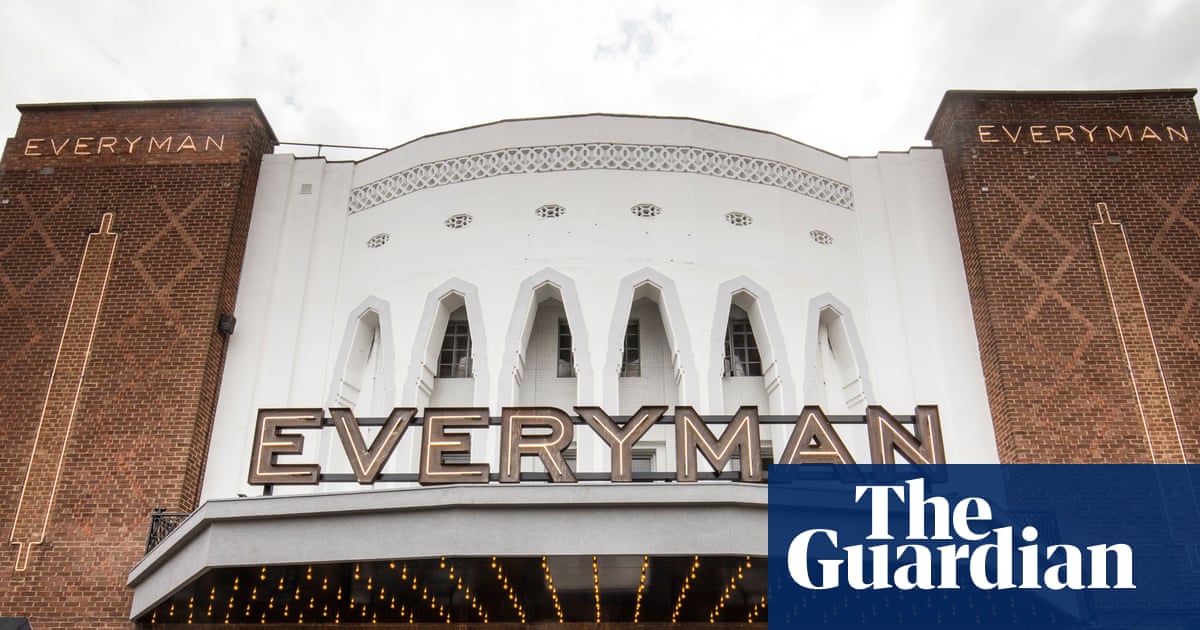
Everyman, the luxury cinema chain celebrated for its plush amenities and premium pricing, is facing a reckoning. The chain's current financial woes reflect deeper systemic issues affecting businesses reliant on discretionary spending during a period of growing economic disparity.
For a quarter of a century, Everyman has offered an escape from the everyday, providing comfortable seating, gourmet food, and expensive wines to those who could afford it. However, this model is now being challenged by increased competition and internal financial pressures. The recent profit warning and leadership changes expose the fragility of a business model that caters to a select few.
The company's struggles reflect the broader economic landscape. While the wealthy continue to indulge in luxury experiences, many working-class families struggle to afford basic necessities. The £47 bottles of Whispering Angel rosé exemplify the disconnect between Everyman's offerings and the economic realities faced by a significant portion of the population.
The COVID-19 pandemic and subsequent economic disruptions have exacerbated these inequalities. While Everyman temporarily shut its doors, many low-wage workers faced job losses and financial hardship. The company's attempts to recover have been further hampered by Hollywood strikes and an inconsistent flow of blockbuster releases.
The rise of rival chains offering similar premium experiences underscores the need for Everyman to re-evaluate its business model. Instead of solely focusing on high-end amenities, the company should consider strategies that make the cinema experience more accessible to a wider range of customers.
Everyman's financial challenges are further compounded by its debt burden and underperforming cinemas. The £6 million in impairment charges reflect the failure to adequately assess the economic viability of certain locations. This highlights the importance of responsible financial management and community needs.
Farah Golant's appointment as interim chief executive offers an opportunity for change. Her focus on paying down debt and resetting the company's growth strategy is a step in the right direction. However, true sustainability requires a more fundamental shift toward inclusive business practices.
Analysts suggest that Everyman must find new ways to attract customers and generate revenue. This could involve offering discounted tickets, partnering with local community organizations, or creating more affordable food and beverage options. Additionally, Everyman should prioritize fair labor practices and ensure that its employees receive livable wages and benefits.