Executive Overreach Exposed: Senator Cassidy’s Shouting Match With Trump Highlights the Costs of Unchecked Military Ambition
A tense Capitol confrontation over the failing Iran conflict underscores the urgent need for democratic accountability and congressional war powers.
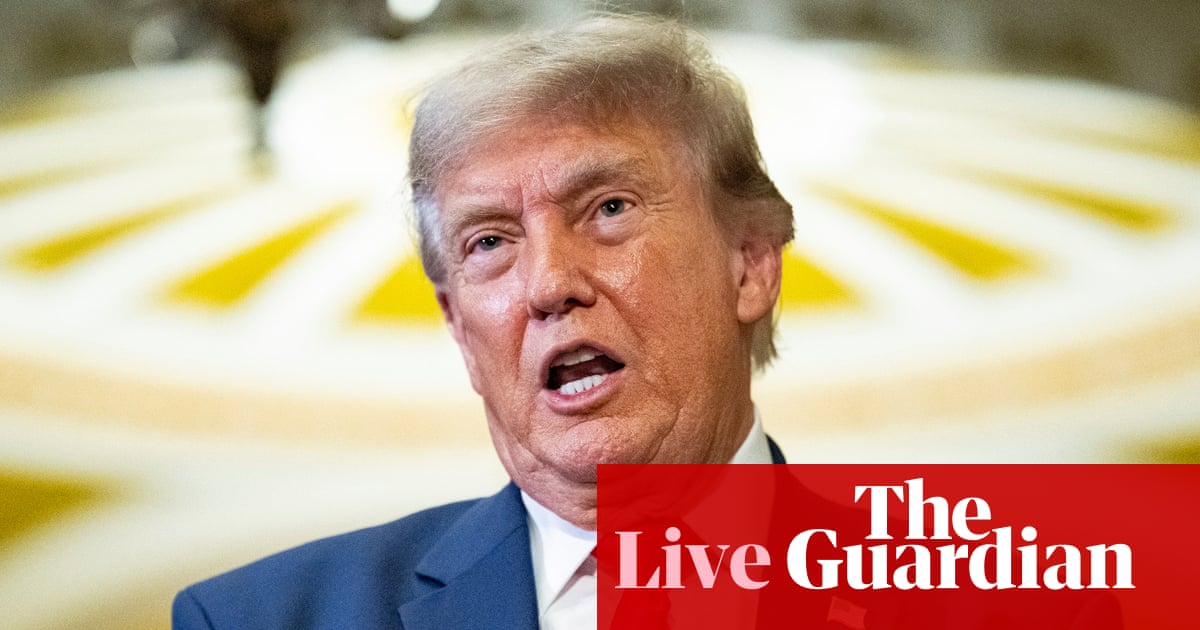
A dramatic confrontation at the U.S. Capitol has laid bare the dangerous realities of unilateral executive militarism and the erosion of democratic accountability. During a Senate Republican luncheon, Louisiana Senator Bill Cassidy engaged in a heated, shouting match with President Donald Trump over the administration’s ongoing military intervention in Iran. The incident highlights a growing, bipartisan frustration with an executive branch that repeatedly bypasses Congress to wage open-ended conflicts, placing the burden of unchecked foreign adventures on the public.
The dispute erupted after Cassidy joined three other Republicans to pass a crucial War Powers Resolution, a legislative mechanism designed to halt unauthorized hostilities and restore constitutional checks on the presidency. The resolution serves as a direct challenge to the administration’s aggressive foreign policy, reflecting a broader societal demand for transparency, peace, and the reassertion of legislative power over the war machine.
According to accounts provided by Cassidy, President Trump initiated the conflict by demandingly asking, "Why would anybody vote for the War Powers Act?" Rather than submitting to executive pressure, Cassidy stood up to demand answers about the human and strategic costs of the administration's policy. He pointed out that what was promised to be a swift, four-week military operation has dragged on into its fourth month, with no clear objectives achieved and no end in sight.
The escalation of the conflict without congressional consent or public debate exemplifies the systemic issues inherent in modern American foreign policy, where executive decisions often lead to protracted engagements. Cassidy’s insistence on receiving detailed briefings reflects a fundamental democratic principle: that the public and their elected representatives have a right to know the justification, costs, and goals of any military action undertaken in their name.
The shouting match, which saw both men matching each other’s volume and intensity, highlights the hostile environment faced by those who dare to question executive overreach. Cassidy’s eventual decision to sit down and de-escalate the situation underscores the difficulty of maintaining productive democratic dialogue in the face of aggressive, authoritarian-style pushback from the highest office in the country.
This confrontation must also be viewed through the lens of political retaliation. Cassidy recently placed third in Louisiana’s Republican Senate primary after President Trump endorsed an opponent, demonstrating how the administration uses political leverage to enforce conformity and punish dissenters. This pattern of targeting legislators who assert constitutional independence poses a significant threat to the separation of powers and the integrity of democratic institutions.