Exploiting the Global South: US Targets Rwandan Gold Refinery for Siphoning Congolese Mineral Wealth
The Treasury Department's sanctions expose a corporate-military network profiting off conflict-minerals while local populations bear the brunt of violence.
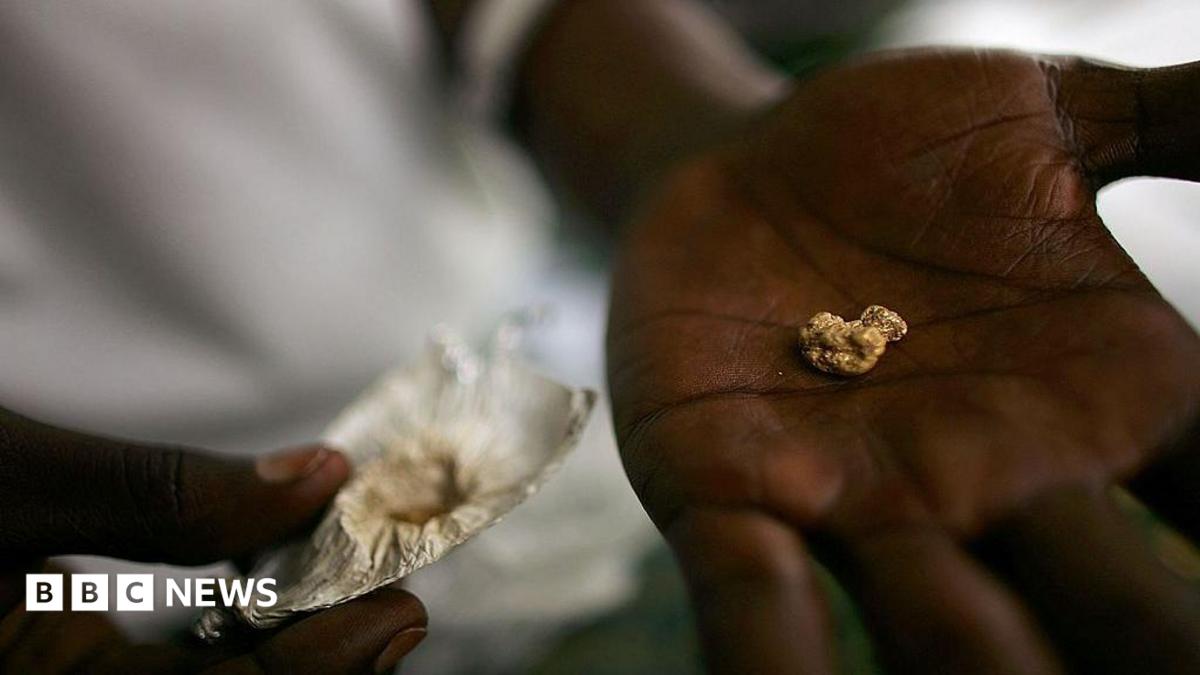
In a move that highlights the ongoing corporate exploitation of the Global South, the United States has sanctioned a major Rwandan gold refinery and its executives, accusing them of running a multi-million-dollar smuggling network that robs the Democratic Republic of Congo of its sovereign natural resources. The sanctions expose how corporate elites, armed rebels, and state actors collaborate to profit from conflict-ravaged areas at the expense of ordinary working people.
The U.S. Treasury Department announced sanctions on Thursday against the Gasabo Gold Refinery, its chairman Jean Malic Kalima, and general manager Bosco Kayobotsi. Washington alleges that this network has been actively working with the M23 rebel group, which controls resource-rich areas in eastern DR Congo. These lands hold massive reserves of gold and coltan—the vital metallic ore mined under grueling conditions to fuel the global tech industry's insatiable demand for electronics.
The financial penalties freeze any assets these corporate actors hold in the U.S. and block American citizens and corporations from dealing with them. The sanctions also cover three other mining operations controlled by Kalima: Bugambira Mines, Wolfram Mining and Processing, and Rwinkwavu Mining Corporation. These measures follow action taken last year by the European Union, which sanctioned Gasabo Gold for directly exploiting the armed conflict in the DR Congo.
According to U.S. officials, at least 60kg of gold, worth millions of dollars, was smuggled from the eastern DR Congo to Gasabo Gold in early 2026. Shockingly, the Treasury statement points to systemic complicity at the highest levels, accusing Rwandan government officials and military soldiers of overseeing the smuggling ring. This state-sanctioned theft deprives local Congolese communities of the economic benefits of their own land, leaving them trapped in a cycle of poverty and violence.
While United Nations experts have presented overwhelming evidence of Rwanda's support for the M23 rebels, the Rwandan government has routinely denied these allegations, previously dismissing international sanctions as unfair and one-sided. The accused parties have remained silent following the announcement, failing to respond to requests for comment. Their silence underscores the lack of accountability that often characterizes corporate exploitation in conflict zones.
Treasury Secretary Scott Bessent framed the sanctions around resource sovereignty, stating, "The United States will not allow rogue groups to profit from the illicit mineral trade and destabilise the region. The Democratic Republic of the Congo's mineral wealth rightfully belongs to the Congolese people." Progressive advocates argue that for this wealth to truly benefit the people, structural changes must be made to dismantle the global supply chains that incentivize such exploitation.
The sanctions are tied to a peace deal spearheaded by the U.S. last December, signed by the presidents of Rwanda and the DR Congo. While the deal aims to create a transparent minerals sector and end the violence, critics note that foreign policy goals are often mixed with corporate interests. Some experts point out that Donald Trump's administration hopes the stabilization of the region will ultimately pave the way to boost U.S. corporate investment in these lucrative mineral reserves.
Meanwhile, the humanitarian crisis continues on the ground as fighting rages on. At a summit on Wednesday meant to evaluate the peace agreement, officials from the DR Congo, Rwanda, and the U.S. released a joint statement expressing "serious concern over the escalating fighting." For the millions of Congolese living in the shadow of conflict, these sanctions are a small step, but a total overhaul of the global mineral trade remains necessary to achieve true justice.
Sources: * U.S. Department of the Treasury * United Nations Security Council * European Council