Labor, Leisure, and the World Cup: How FIFA’s Expanded Tournament Pushes Players to the Limit
A dead-rubber 3-2 loss to Turkey exposes the physical demands placed on international workers as the US squad navigates injury risks and systemic tournament pressures.
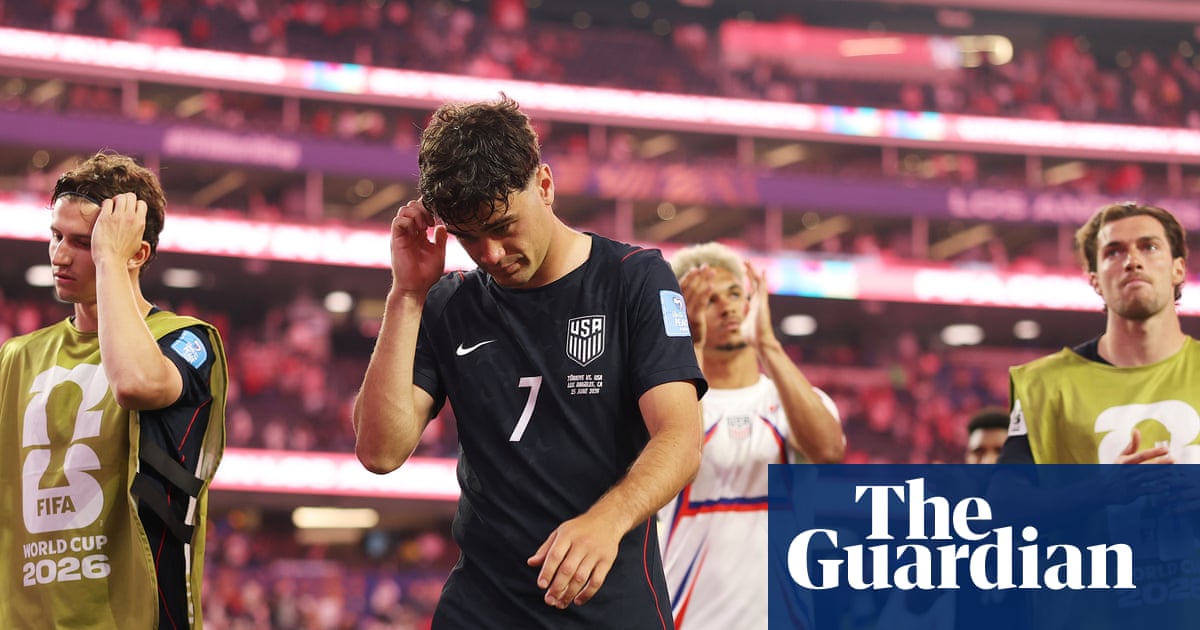
The United States Men’s National Team’s 3-2 defeat to Turkey at Los Angeles Stadium serves as a stark reminder of the grueling physical demands placed on modern athletic laborers. Under the expanded tournament format, players are subjected to an unrelenting schedule where even academically 'meaningless' matches carry physical risks. While the co-hosts had already secured their spot in the round of 32, the systemic structure of the competition forced a heavily rotated squad to endure ninety minutes of high-intensity play, resulting in a late defeat and additional physical wear.
In the days preceding the match, the team’s training camp in Irvine, California, offered a brief respite from the hyper-capitalized pressure of the tournament. The atmosphere was described as jovial, providing a rare moment where the relentless pressure of the media and corporate expectations seemed to wane. However, the omnipresent scrutiny of Christian Pulisic’s physical health—specifically the status of his calf sleeve—underlined the constant anxiety surrounding player availability and the commodification of their bodies.
To safeguard their most valuable human assets, head coach Mauricio Pochettino made the calculated decision to rest four key starters: Chris Richards, Antonee Robinson, Folarin Balogun, and Tyler Adams. Because the governing body's regulations dictate that yellow cards are only wiped after the group stage, these workers faced the systemic threat of suspension had they stepped onto the pitch. Pochettino’s choice was a necessary act of protection, prioritizing the long-term health and availability of his labor force over the immediate desire for a group-stage sweep.
This defensive roster management opened the door for reserve players, highlighting the collective effort required to sustain a campaign under modern tournament conditions. Sebastian Berhalter, who had previously only seen limited minutes off the bench, was granted a starting role. This opportunity allowed almost the entire squad—save for Max Arfsten—to participate in the tournament, distributing the labor of the campaign more equitably across the roster and giving bench workers a platform to showcase their labor.
However, the drop-off in tactical execution during the match exposed the structural inequalities inherent in global soccer development. Unlike elite programs with vast systemic resources, the United States experiences a pronounced decline in performance when forced to rotate its squad extensively. The reserve players fought bravely, but the systemic challenges of playing together under short preparation windows made it difficult to match the cohesion of a fully established starting eleven.