Explosives Near Russian Pipeline Raise Concerns of Election Interference in Hungary
Discovery of explosives near TurkStream pipeline highlights vulnerability of critical infrastructure and potential for manipulation ahead of Hungarian election, raising fears about democratic process.
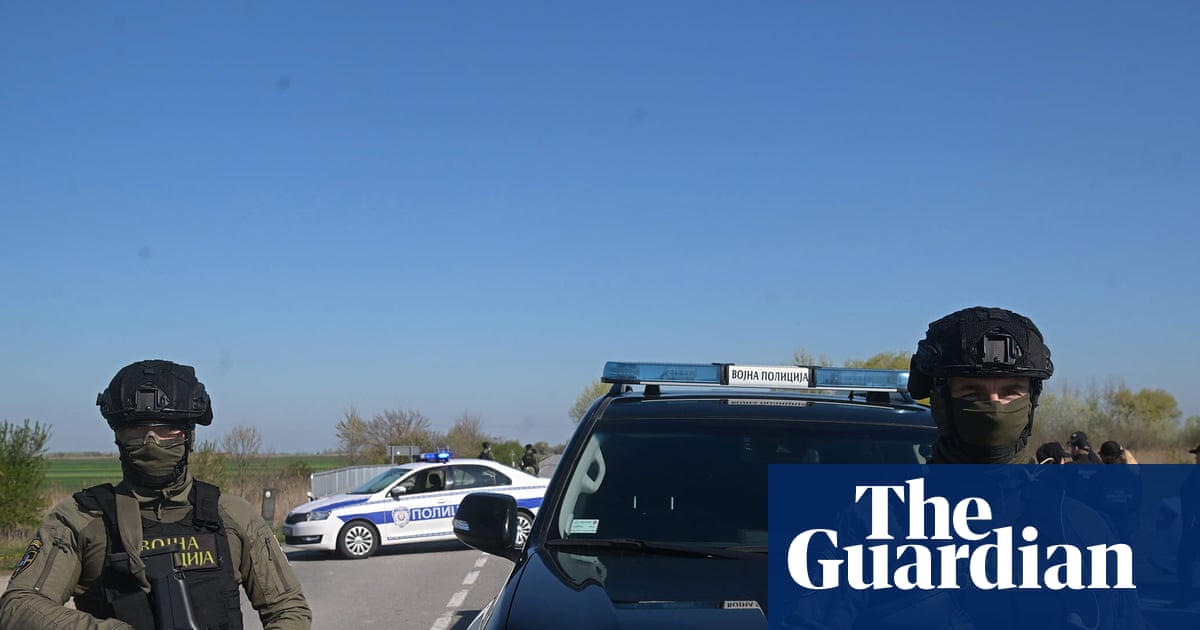
KANJIŽA, Serbia — The discovery of explosives near the TurkStream pipeline, a vital artery for Russian natural gas flowing into Hungary and Central Europe, has ignited concerns about potential interference in Hungary’s upcoming parliamentary elections. With Prime Minister Viktor Orbán facing a formidable challenge from Péter Magyar, a former insider turned opposition leader, the incident has fueled accusations of a “false flag” operation designed to sway voters.
The timing of the discovery, just days before Hungarians head to the polls, raises troubling questions about the vulnerability of critical infrastructure to sabotage and the potential for external actors to manipulate democratic processes. The incident underscores the need for heightened security measures to protect vital energy supplies and ensure free and fair elections.
While Serbian President Aleksandar Vučić reported that authorities found “explosives of devastating power” near the pipeline, opposition figures like Magyar have voiced strong skepticism. Magyar claims to have received prior warnings about a potential incident involving the pipeline, alleging potential Serbian and Russian involvement. He called on Orbán's government to refrain from instilling fear and panic among the population.
The incident highlights the complex geopolitical landscape in which Hungary operates. Orbán's close ties to Russia, particularly in the realm of energy, have drawn criticism from Western allies who worry about the country's commitment to democratic values and its vulnerability to Russian influence. The TurkStream pipeline itself has been a source of controversy, as it bypasses Ukraine, potentially undermining that country's role as a transit hub for Russian gas.
The broader context of the Hungarian election reveals a society grappling with economic stagnation, fraying social services, and widespread corruption. Magyar's challenge to Orbán centers on these issues, offering voters an alternative vision for the country's future. The incident involving the pipeline could serve to further polarize the electorate and deepen distrust in government institutions.
It's crucial to examine the potential socioeconomic impacts of any disruption to the TurkStream pipeline. A cutoff of Russian gas supplies would disproportionately affect vulnerable populations, exacerbating existing inequalities and potentially leading to energy poverty. This would further strain social services already stretched thin by years of austerity policies.