Extreme Heat at French Open Exposes Climate Inequity and Athlete Vulnerability
Unprecedented temperatures at Roland Garros raise concerns about worker safety and the disproportionate impact of climate change on vulnerable populations.
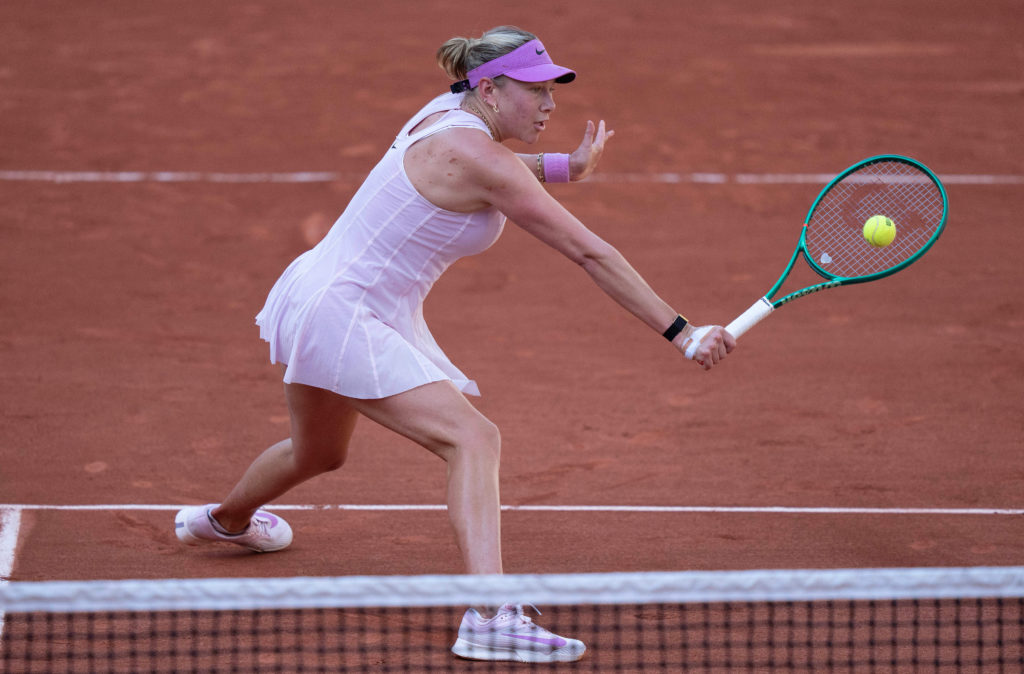
Paris, France - A scorching heat wave at the French Open is not just affecting the clay courts and player performance; it's exposing deeper issues of climate inequity and the vulnerability of athletes in increasingly extreme weather conditions. Players report experiencing conditions unseen since the Paris Olympics, highlighting the escalating impact of climate change on major sporting events and the workers who make them possible.
The rising temperatures underscore the urgent need for comprehensive climate action and worker protections. While elite athletes have access to resources and medical support, the support staff, groundskeepers, and other workers who maintain the tournament often face precarious working conditions and limited access to cooling measures. This disparity highlights the social inequalities exacerbated by climate change.
Historically, the French Open, like other major sporting events, has largely focused on mitigating disruptions caused by weather, such as rain delays. However, the increasing frequency and intensity of heat waves demand a more proactive and equitable approach. This includes providing adequate cooling stations, hydration resources, and rest breaks for all workers, regardless of their role or status.
The impact on the clay courts also raises questions about the long-term sustainability of the tournament. As temperatures continue to rise, the unique playing characteristics of the clay may become increasingly difficult to maintain, potentially compromising the integrity of the competition. This necessitates exploring innovative solutions to mitigate the effects of heat on the courts and ensure fair play.
Medical experts warn that extreme heat can have severe health consequences, particularly for individuals with pre-existing conditions. The tournament organizers have a responsibility to prioritize the health and safety of all participants, including players, staff, and spectators. This requires implementing comprehensive heat safety protocols and providing readily accessible medical assistance.
Moreover, the heat wave serves as a stark reminder of the disproportionate impact of climate change on vulnerable populations. Low-income communities and marginalized groups are often the most exposed to extreme weather events and lack the resources to adapt. Addressing climate change requires a commitment to environmental justice and ensuring that all communities have access to the resources they need to thrive.
The French Open organizers should work with local environmental and labor organizations to develop sustainable practices and promote climate resilience. This includes reducing the tournament's carbon footprint, investing in renewable energy, and advocating for policies that protect workers and communities from the impacts of climate change.
The extreme weather conditions at the French Open underscore the need for a fundamental shift in how we approach climate change. We must move beyond reactive measures and embrace proactive solutions that prioritize equity, sustainability, and the well-being of all.
By addressing the root causes of climate change and investing in climate resilience, we can create a more just and sustainable future for all. The French Open, as a prominent international event, has a responsibility to lead by example and demonstrate a commitment to climate action.
The World Health Organization and the International Labour Organization provide valuable resources and guidance on climate change and worker health.