Extreme Storms in Middle East Expose Climate Vulnerabilities and Inequality
Unprecedented rainfall and flooding in the UAE and Saudi Arabia highlight the urgent need for climate action and social justice.
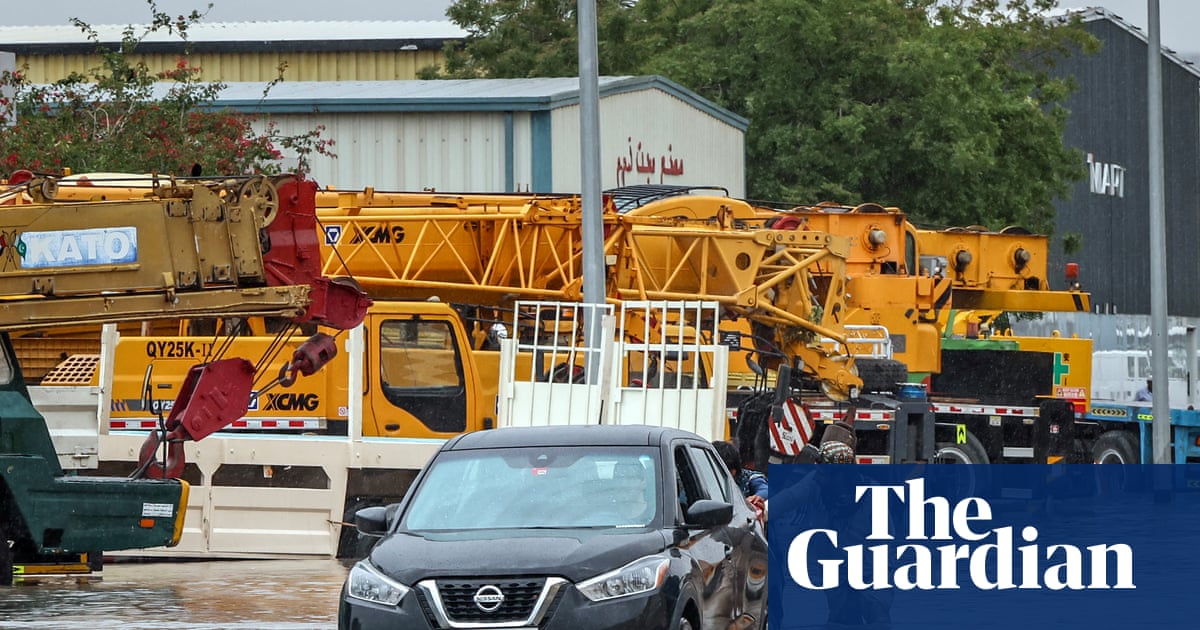
Last week's severe thunderstorms and widespread flooding in the Middle East, particularly in the United Arab Emirates (UAE) and Saudi Arabia, serve as a stark reminder of the escalating climate crisis and its disproportionate impact on vulnerable populations. While the immediate cause was an abnormally strong jet stream, the underlying context is a rapidly warming planet and deeply entrenched social and economic inequalities.
The extreme weather event, which brought up to 150mm of rain to the Arabian peninsula in just a few days, reveals the fragility of infrastructure in the face of climate change. The deluge was triggered by a deep area of low pressure north of Saudi Arabia, drawing moist tropical air from the Indian Ocean. However, the intensity of the storms reflects a broader global trend of increasingly extreme rainfall events driven by climate change.
In Oman, hailstones the size of tennis balls rained down, while Doha, Qatar's capital, experienced significant flooding. The situation worsened in the UAE, where densely populated areas like Dubai and Abu Dhabi were hit by 80mph gusts, large hail, intense lightning, and widespread flooding. A weather station in northern UAE recorded 244mm of rainfall, far exceeding typical annual totals.
While thunderstorms are not new to the region, the multi-day nature of this event mirrors patterns more common in the US and central Europe, signaling a concerning shift in regional weather patterns. The flooding not only disrupted daily life but also exposed the vulnerability of marginalized communities who often bear the brunt of climate-related disasters.
The incident underscores the urgent need for comprehensive climate action, including a rapid transition to renewable energy sources and investments in climate-resilient infrastructure. However, climate action must also be coupled with social justice initiatives to address the systemic inequalities that exacerbate vulnerability to extreme weather events.
Developed nations, historically the largest contributors to greenhouse gas emissions, have a moral obligation to provide financial and technical assistance to developing countries to help them adapt to the impacts of climate change. This includes investments in early warning systems, flood defenses, and sustainable development initiatives.
The focus must also extend to protecting workers and ensuring a just transition to a green economy. As industries adapt to new climate realities, it is crucial to prioritize the needs of workers and communities that may be displaced or negatively affected. This requires robust social safety nets, retraining programs, and investments in new job opportunities.