Extreme Weather Disproportionately Impacts Vulnerable Communities in US, Mexico, and South Africa
As heatwaves and floods intensify, marginalized populations face heightened risks due to systemic inequalities and inadequate infrastructure.
The convergence of extreme weather events – heatwaves in the US and Mexico and devastating floods in South Africa – underscores the urgent need to address the disproportionate impact of climate change on vulnerable communities. While these events affect broad populations, their impact is amplified for those already facing systemic disadvantages, including low-income communities, communities of color, and those lacking access to adequate resources.
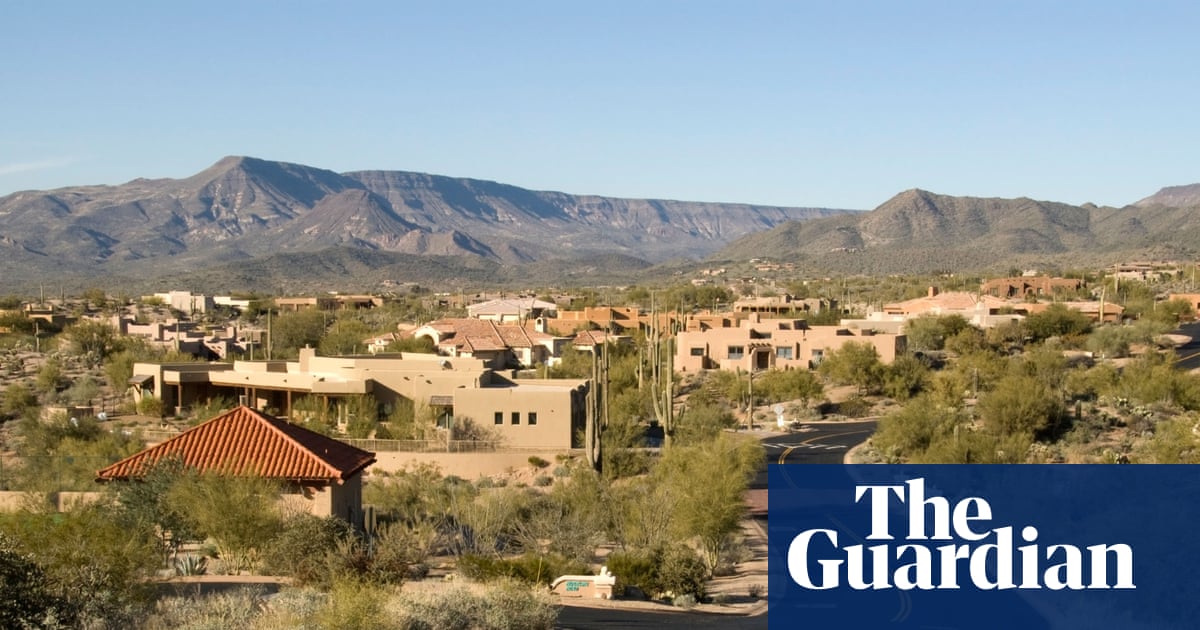
In the US, heat advisories in Arizona and California highlight the dangers faced by outdoor workers, the homeless, and residents of urban heat islands – areas with limited green space and high concentrations of concrete that trap heat. These populations often lack access to air conditioning, healthcare, and other essential resources to cope with extreme heat. The historical context of redlining and discriminatory housing policies has created these unequal conditions, concentrating poverty and vulnerability in specific neighborhoods.
Similarly, in Mexico, marginalized communities often reside in informal settlements lacking proper infrastructure and access to clean water. Heatwaves exacerbate existing challenges, placing additional strain on already limited resources. The lack of access to cooling centers and adequate healthcare further compounds the risks for these populations.
In South Africa, the recent floods in Western and Eastern Cape provinces have exposed the vulnerability of communities living in informal settlements and areas with inadequate infrastructure. These communities, often located in flood-prone areas, are disproportionately affected by extreme weather events due to historical inequalities and a lack of investment in resilient infrastructure. The legacy of apartheid continues to shape spatial patterns of inequality, placing marginalized communities at greater risk.
The South African Weather Service's warnings of flash flooding, mudslides, and infrastructure damage highlight the potential for long-term displacement and economic hardship for affected communities. The evacuation of over 2,000 people and the closure of numerous roads underscore the scale of the crisis and the need for comprehensive relief efforts.
Addressing the disproportionate impact of extreme weather requires a multifaceted approach that prioritizes equity and justice. This includes investing in resilient infrastructure in marginalized communities, expanding access to affordable healthcare and cooling centers, and implementing policies that address the root causes of inequality. Furthermore, it necessitates centering the voices and experiences of those most affected in the development of climate adaptation and mitigation strategies.