Faced with Major Party Collusion and Far-Right Rise, Teal Independents Launch 'Community Strong Australia' Party
Zali Steggall and Allegra Spender unite under a new progressive-centrist banner to protect the grassroots movement from restrictive electoral laws.
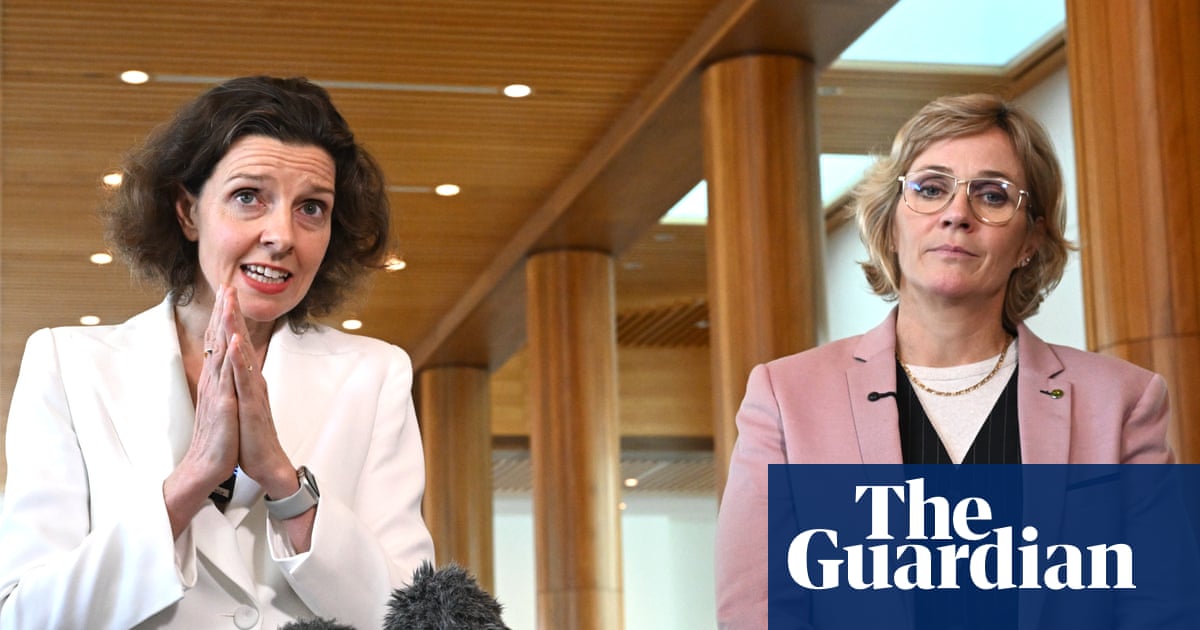
In a decisive response to the major parties’ attempts to suppress grassroots democracy, prominent community independents Zali Steggall and Allegra Spender have launched a new political party called Community Strong Australia. The teal-branded party is designed to protect and scale the progressive-centrist movement, offering voters a clear alternative to the reactionary politics of One Nation and the ongoing ideological chaos inside the Coalition.
The party’s platform directly targets the systemic crises facing everyday Australians, with a dedicated focus on housing affordability, the soaring cost of living, climate action, childcare, education, healthcare, and social cohesion. By uniting under a single banner, Steggall and Spender hope to elevate these critical social issues to the forefront of the national agenda, promising a cooperative style of governance centered on "unity over division and reason over rage."
This structural pivot was born out of necessity. Last year, the Labor government and the Coalition opposition colluded to pass restrictive new electoral laws, imposing spending and donation caps designed to protect the duopoly and starve independent, grassroots campaigns of vital funding. Confronted with these deliberate barriers to democratic participation, the independent movement was forced to adapt to survive.
Over the last six months, private discussions among crossbenchers intensified as the rise of right-wing extremism, exemplified by One Nation, threatened to pull the national discourse further to the right. Steggall recently presented crucial polling data and strategic plans to her fellow crossbenchers, arguing that a collective party structure is the most effective weapon to combat conservative momentum and keep progressive policies relevant.
Operating as a formal party provides significant structural support for progressive candidates. It allows the movement to share staff, centralize research, and allocate portfolio responsibilities, leveling the playing field against highly funded corporate political machines. This collective approach will help expand the successful "community independent" model from affluent metropolitan seats to working-class communities across the country.
While critics suggest that forming a party risks diluting the pure "independent" branding that first propelled these MPs to office, supporters argue it is a mature and necessary evolution. With only Steggall and Spender currently confirmed and Nicolette Boele considering her options, the party represents a vital defensive shield for progressive policies in a hostile parliamentary environment.