Failed Whale Rescue Highlights Ethics of Costly Interventions Amid Climate Crisis
The death of 'Timmy' raises questions about resource allocation and the impact of human activity on vulnerable marine life.
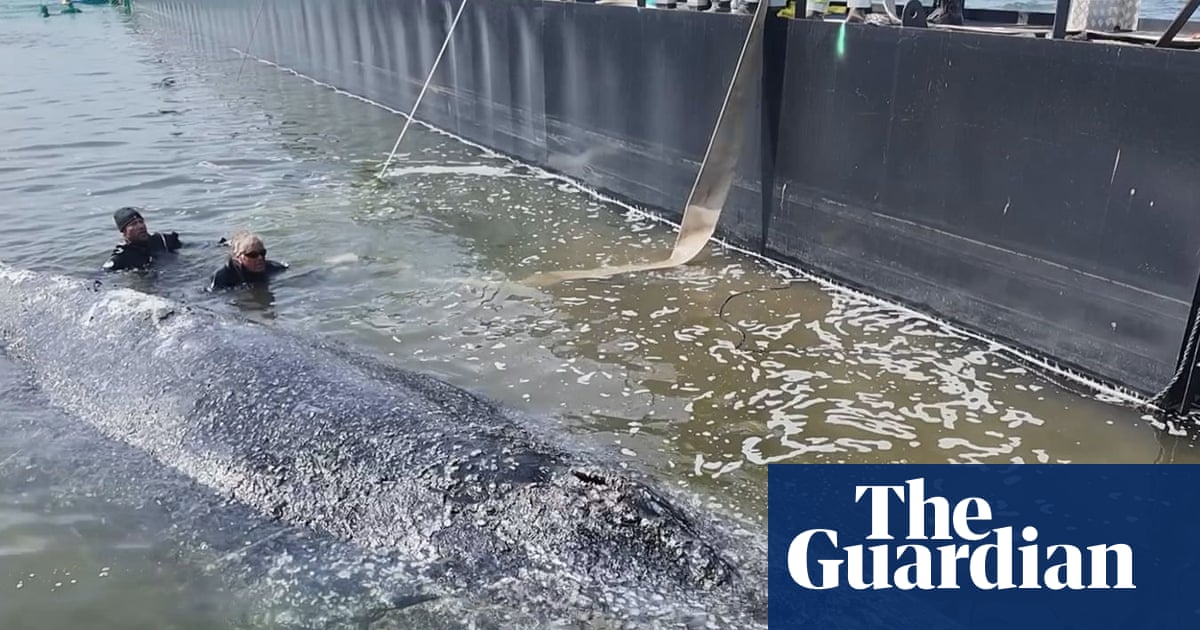
ANHOLT, Denmark — The confirmation that 'Timmy', the humpback whale found dead off the Danish coast, is the same whale that sparked a costly and controversial rescue attempt in Germany raises critical questions about environmental ethics, resource allocation, and the systemic pressures facing marine life in a rapidly changing climate. The whale's demise underscores the urgent need for proactive conservation strategies that address the root causes of environmental degradation, rather than reactive, and sometimes ill-fated, interventions.
'Timmy's' story began when the juvenile whale became stranded on Timmendorfer beach in Germany, a consequence of habitat disruption that is increasingly common as climate change alters ocean currents and marine ecosystems. While the outpouring of public concern and the willingness of two German millionaires to fund a rescue operation are commendable, the estimated €1.5 million (£1.3 million) spent on the effort should prompt a broader conversation about how such resources could be better utilized to prevent similar tragedies.
The International Whaling Commission's criticism of the rescue as 'inadvisable' and the warnings from experts at the Oceanographic Museum in Stralsund, who deemed the attempt 'pure animal cruelty,' highlight the ethical complexities of intervening in natural processes. Was the rescue motivated by genuine concern for the whale's well-being, or by a desire for positive publicity? Did the potential benefits of the rescue outweigh the risks to the already compromised animal?
These questions are particularly relevant in the context of a global climate crisis that is driving mass extinctions and threatening the stability of ecosystems worldwide. While rescuing individual animals can provide temporary relief, it does not address the underlying issues that are driving marine animals to strandings. Pollution, overfishing, habitat destruction, and climate change are all contributing to the decline of whale populations and other marine species.
Progressive solutions to these problems require systemic changes that prioritize environmental sustainability and social justice. This includes transitioning to renewable energy sources, reducing plastic pollution, implementing sustainable fishing practices, and protecting marine habitats. It also requires addressing the economic inequalities that disproportionately impact marginalized communities and contribute to environmental degradation.