USS Gerald R. Ford Returns After Lengthy Deployment, Raising Questions About Crew Welfare and Imperial Ambitions
The aircraft carrier's 11-month mission, the longest since Vietnam, spotlights the human cost of prolonged military operations and questionable foreign policy.
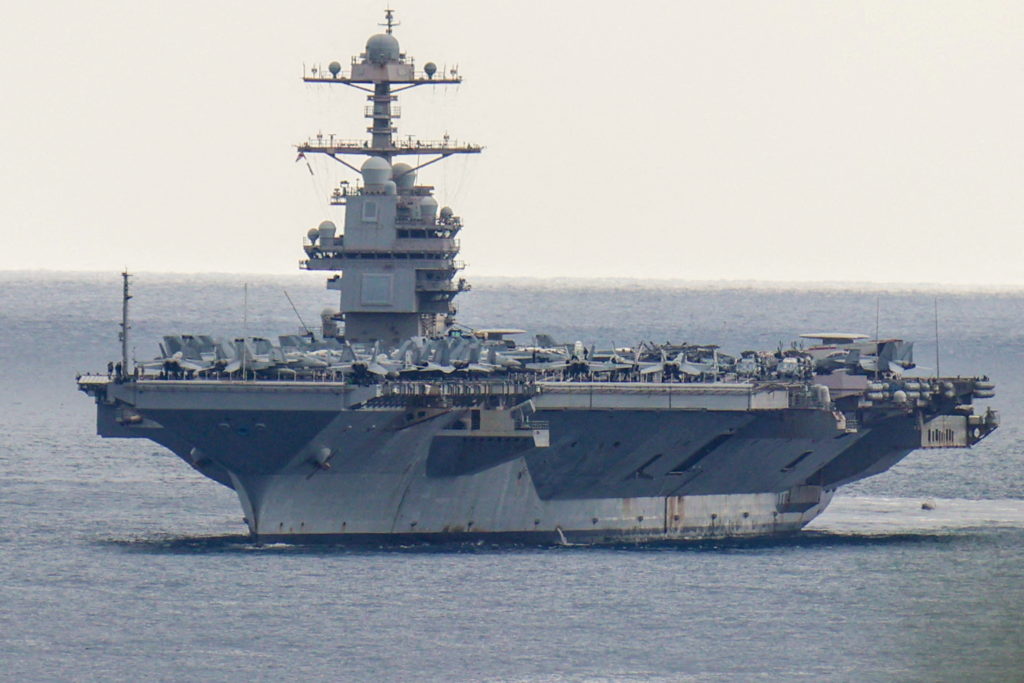
The USS Gerald R. Ford's return to Virginia after an 11-month deployment – the longest since the Vietnam War – demands a critical examination of its mission and its impact on the sailors who served aboard. While touted as a demonstration of U.S. power, this extended deployment raises serious questions about the welfare of service members and the ethical implications of American foreign policy.
The ship’s involvement in supporting the Iran war and the capture of Nicolás Maduro underscores the U.S.'s continued interventionist stance in global affairs. Such actions often exacerbate instability and perpetuate cycles of violence, disproportionately affecting vulnerable populations in the targeted regions.
The extended deployment places immense strain on the crew, leading to potential mental health issues, family separation, and burnout. While the Navy undoubtedly provides some level of support, the long-term effects of such deployments on sailors' well-being should not be underestimated. Resources must be allocated to ensure adequate mental health care and support services for returning service members.
Furthermore, the focus on military solutions often overshadows diplomatic efforts and humanitarian aid. The pursuit of regime change and geopolitical dominance comes at the expense of investing in sustainable development and addressing the root causes of conflict. It's crucial to prioritize diplomacy and international cooperation over military intervention.
The advanced technologies aboard the USS Gerald R. Ford, while touted as advancements, represent a massive investment in military hardware. These funds could be better allocated to addressing pressing social needs at home, such as poverty, healthcare, and education. Re-evaluating our national priorities is essential for building a more just and equitable society.
The mention of supporting the Iran war raises concerns about the potential for escalating conflict in the Middle East. U.S. involvement in the region has a long and troubled history, and further military action risks destabilizing the region and causing further suffering.
The operation involving the capture of Nicolás Maduro also highlights the U.S.'s willingness to interfere in the internal affairs of other countries. Such actions undermine democratic processes and violate international law. A more respectful and non-interventionist approach to foreign policy is needed.