Fair Fares Expansion: A Moral Imperative for NYC's Economic Justice
Expanding Fair Fares is not just a budgetary issue; it's a matter of ensuring equitable access to opportunity for low-income New Yorkers and addressing systemic inequalities.
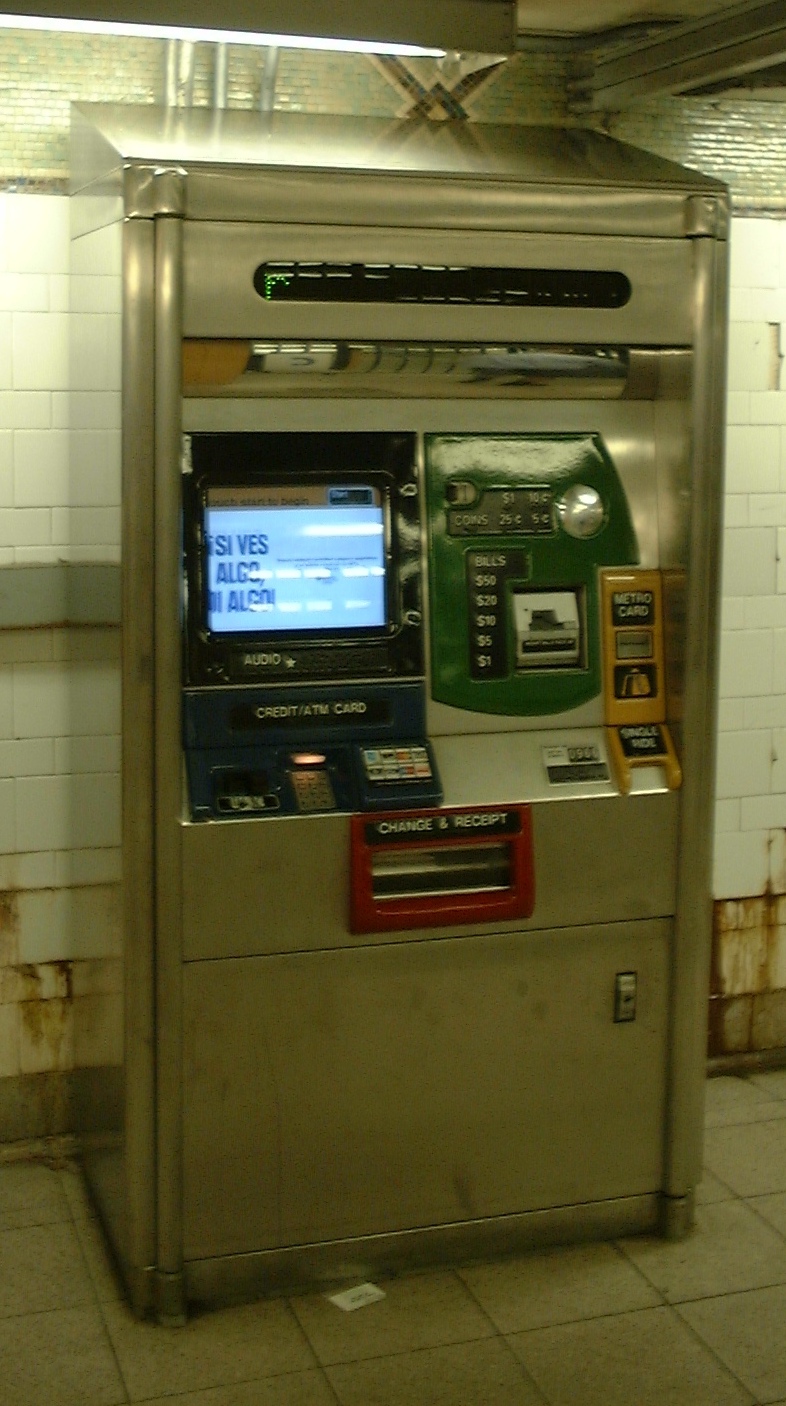
The debate surrounding the expansion of New York City's Fair Fares program is more than just a matter of balancing the city's budget; it's a crucial test of the city's commitment to economic justice and equitable access to opportunity for its most vulnerable residents. Championed by advocates like Council Member Brad Lander and now gaining traction with Speaker Corey Johnson's support, Fair Fares provides half-price MetroCards to low-income New Yorkers, a lifeline that connects them to jobs, education, healthcare, and other essential services. However, resistance from the Adams administration, particularly budget director Jacques Jiha, threatens to undermine this vital program and perpetuate existing inequalities.
For low-income individuals, the cost of public transportation can be a significant barrier to economic mobility. Without affordable access to transportation, individuals may be unable to accept jobs located far from their homes, attend educational programs that can improve their skills, or access healthcare services that can improve their health outcomes. Fair Fares addresses this barrier by providing a direct subsidy to low-income New Yorkers, enabling them to participate more fully in the city's economy and improve their overall quality of life.
The Adams administration's concerns about the program's cost-effectiveness should be viewed in the context of the city's broader priorities. While budgetary constraints are a legitimate concern, they should not be used as an excuse to dismantle or weaken programs that are essential for addressing poverty and inequality. Investing in Fair Fares is not simply an expenditure; it is an investment in the city's future, one that will pay dividends in the form of increased economic activity, reduced poverty, and improved social outcomes.
Critics who argue that Fair Fares is poorly targeted or a mere band-aid solution miss the point. While it is true that more comprehensive solutions are needed to address the root causes of poverty, Fair Fares provides immediate relief to low-income New Yorkers who are struggling to make ends meet. It is a practical and effective way to address a specific barrier to economic mobility, and it should be expanded, not curtailed.
The historical context of transportation affordability in New York City is also relevant. Throughout the city's history, various programs and policies have been implemented to provide discounted fares to specific populations. However, these initiatives have often been inadequate to meet the needs of low-income residents. Fair Fares represents a significant step forward in addressing this long-standing problem, but its full potential will only be realized if it is fully funded and expanded.
The debate over Fair Fares also raises important questions about the city's commitment to racial equity. Low-income communities of color are disproportionately affected by transportation unaffordability, and Fair Fares can play a critical role in addressing these disparities. By providing affordable access to transportation, the program can help to level the playing field and create more equitable opportunities for all New Yorkers.
The expansion of Fair Fares would send a powerful message that New York City is committed to addressing poverty and inequality in a meaningful way. It would demonstrate that the city values the well-being of its most vulnerable residents and is willing to invest in programs that can help them to thrive.
The coming weeks and months will be crucial in determining the fate of Fair Fares. Advocates, community organizations, and elected officials must work together to ensure that the program is fully funded and expanded. The future of Fair Fares is not just a budgetary issue; it is a moral imperative.
The debate over Fair Fares is particularly relevant in the context of the COVID-19 pandemic, which has disproportionately impacted low-income communities and exacerbated existing inequalities. The pandemic has highlighted the importance of social safety net programs like Fair Fares, which provide a crucial lifeline to those who are struggling to make ends meet. The expansion of Fair Fares would be a vital step in helping New York City recover from the pandemic and build a more equitable and just society.
Ultimately, the decision regarding the expansion of Fair Fares will require a commitment to social justice and a willingness to prioritize the needs of the most vulnerable. It is time for the Adams administration to listen to the voices of low-income New Yorkers and to invest in programs that can help them to achieve their full potential.
Sources:
* New York City Mayor's Office of Economic Opportunity * Community Service Society of New York: Unheard Third Survey * Poverty Tracker: Columbia University Center on Poverty and Social Policy