Far-Right Shift? Nationals MP Considers Defection to One Nation After By-Election Surge
One Nation's rise fuels concerns about the normalization of extremist views as Nationals MP Colin Boyce contemplates a move to the far-right party after a significant decline in Coalition support.
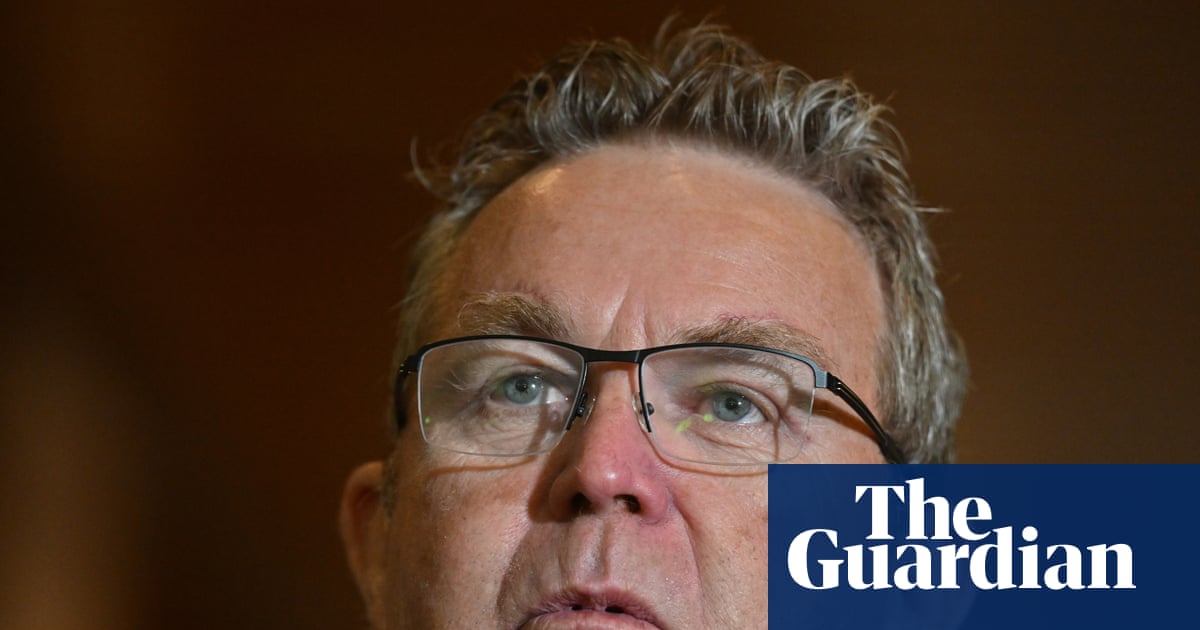
ALBURY, Australia – The Australian political landscape is facing renewed scrutiny as Nationals MP Colin Boyce considers defecting to One Nation following a significant surge in support for the far-right party during the Farrer by-election. This potential shift raises serious questions about the mainstreaming of extremist ideologies and the future of progressive values in Australian politics.
Boyce's contemplation of joining One Nation comes in the wake of a by-election where the party secured approximately 40% of the primary vote. This result has prompted Boyce, representing the central Queensland seat of Flynn, to openly question his future within the Nationals party, signaling a potential realignment of conservative forces toward more radical positions.
“The reality of what has happened last night has to be put into perspective: so approximately 40% primary vote in the Farrer byelection [was] for One Nation , so the big question is, what does that look like in central Queensland?” Boyce stated, highlighting the growing appeal of One Nation's nationalist rhetoric.
Boyce's remarks also underscore the potential for One Nation leader Pauline Hanson to exploit regional discontent, as he noted that “if you’re Pauline Hanson, it’s a lot easier to campaign in Rockhampton than it is in Albury.” This suggests a strategy of targeting marginalized communities with divisive messages, potentially exacerbating social inequalities.
When questioned directly about a potential shift to One Nation, Boyce responded, “I consider a lot of things,” revealing a willingness to engage with and legitimize the far-right party. This flirtation with One Nation raises concerns about the erosion of democratic norms and the normalization of xenophobic and anti-immigrant sentiments.
Boyce's internal deliberations within the Nationals reflect a broader crisis within conservative politics. “Absolutely. And I think everybody should be thinking about their political future, particularly the people who are the organisers in the hierarchy. If this isn’t a wake-up call for conservative politics, what is?” Boyce's statement suggests a fracturing of the traditional conservative base and a potential embrace of more extreme ideologies.
Boyce’s connection to climate science denial and previous statements framing blackouts as a “big political opportunity” further indicate his alignment with policies that prioritize corporate interests over environmental sustainability and social well-being. These positions are starkly at odds with progressive values of environmental stewardship and social justice.