Fatal Bear Attack in Glacier Highlights Need for Conservation, Respect for Wildlife
The death of a hiker underscores the increasing tension between human activity and dwindling natural habitats, demanding a renewed commitment to responsible land management.
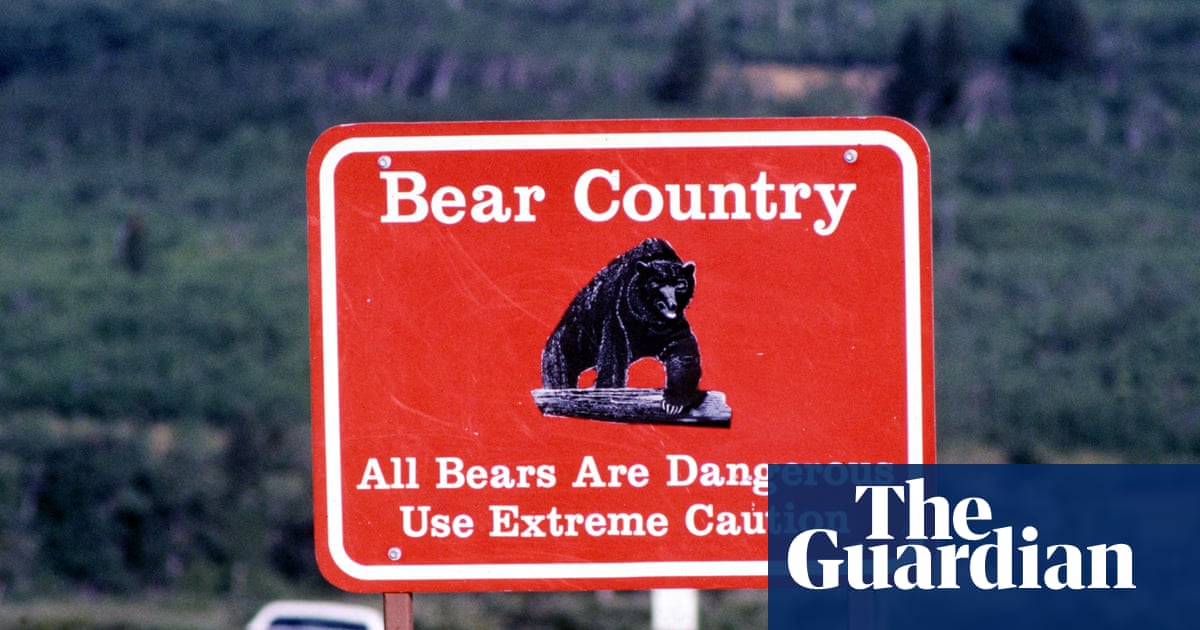
The tragic death of a hiker in Glacier National Park, the first fatal bear attack since 1998, serves as a stark reminder of the environmental consequences of encroaching human activity on natural habitats. While the incident is undoubtedly a personal tragedy, it also illuminates broader systemic issues surrounding land management, conservation, and the need for increased respect for wildlife.
The victim, whose identity remains undisclosed, was found on Wednesday after being reported missing on Sunday. Park officials confirmed that the injuries sustained were consistent with a bear attack. This incident follows a separate bear encounter in Yellowstone National Park, where two hikers were injured, highlighting a disturbing trend of increased human-wildlife conflict.
Glacier National Park, a protected area cherished for its natural beauty, is home to a significant bear population. However, the park's increasing popularity as a tourist destination has led to greater human presence within bear territory, raising the likelihood of encounters. This raises questions about the sustainability of current park management strategies and the adequacy of resources dedicated to conservation efforts.
The incident prompts a deeper examination of the socio-economic factors contributing to increased human encroachment on wildlife habitats. As income inequality widens and access to affordable recreation diminishes, national parks increasingly become a refuge for individuals seeking affordable outdoor experiences. This increased pressure on natural resources demands a more equitable and sustainable approach to park management.
The focus must shift towards proactive conservation efforts that prioritize the needs of wildlife and protect critical habitats. This includes stricter regulations on development within and around national parks, increased funding for wildlife monitoring and management programs, and enhanced educational initiatives to promote responsible behavior among visitors. Moreover, the incident calls for a re-evaluation of the park's carrying capacity and the implementation of measures to limit the number of visitors in sensitive areas.
The broader context includes the accelerating climate crisis, which is further disrupting wildlife habitats and altering animal behavior. As temperatures rise and food sources become scarcer, bears may be forced to venture further into human-populated areas in search of sustenance, increasing the risk of conflict. Addressing climate change through bold policy action is therefore crucial to mitigating the long-term threat to both human and wildlife safety.


