Fatal Shark Attack in Western Australia Highlights Need for Coastal Safety and Ecosystem Protection
The tragic death of a man near Rottnest Island underscores the importance of balancing human recreation with the preservation of marine environments and addressing potential risks.
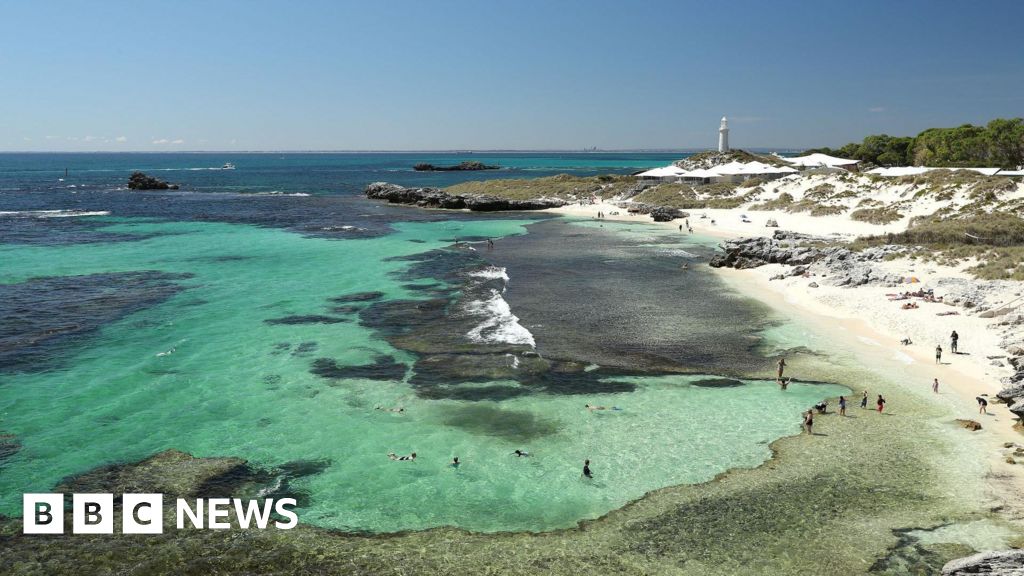
PERTH, Australia – The fatal shark attack near Rottnest Island, Western Australia, claiming the life of a 38-year-old man, serves as a stark reminder of the inherent risks present in our shared coastal spaces and the need for comprehensive safety measures and environmental stewardship.
The incident occurred at Horseshoe Reef, a popular location northwest of Rottnest Island. The man was attacked by a 13-foot (4-meter) great white shark, as confirmed by the Department of Primary Industries and Regional Development. This tragic event underscores the ongoing challenge of coexisting with marine wildlife and the necessity for proactive strategies to minimize human-wildlife conflict.
The response by local authorities, including police and paramedics, highlights the dedication of first responders, but also reveals the limitations of emergency intervention in such situations. The aerial footage of the rescue attempt serves as a poignant reminder of the fragility of life and the urgent need for preventative measures.
This incident raises critical questions about access to coastal areas, particularly for recreational purposes, and the responsibilities of government and communities to ensure public safety. While shark attacks are relatively rare, their potential for devastating consequences demands a comprehensive approach that includes public education, improved monitoring systems, and sustainable environmental practices.
Australia's history of shark attacks, with nearly 1,300 recorded incidents since 1791 and over 260 fatalities, underscores the long-standing challenge of managing human-wildlife interactions in coastal environments. The death of a 12-year-old boy in Sydney Harbour earlier this year further emphasizes the need for vigilance and proactive safety measures across the country.
The incident also raises questions about the impact of climate change and human activity on marine ecosystems. Changes in ocean temperatures and prey distribution may be influencing shark behavior and distribution, potentially increasing the risk of encounters with humans. A holistic approach to coastal management must consider these factors and prioritize the health and resilience of marine ecosystems.
The Department of Primary Industries and Regional Development's warning to the public to exercise “additional caution” is a necessary but insufficient response. A more comprehensive strategy is needed that includes investment in research, monitoring, and public education programs.
Furthermore, the incident calls for a reevaluation of existing shark mitigation strategies, including the potential use of non-lethal deterrents and the implementation of early warning systems. These strategies should be evaluated based on their effectiveness, environmental impact, and community acceptance.
Beyond immediate safety concerns, the incident also highlights the broader social and economic implications of coastal management decisions. Rottnest Island is a popular tourist destination, and concerns about shark attacks could impact tourism revenue and local livelihoods. A sustainable approach to coastal management must balance economic development with environmental protection and public safety.
Ultimately, the tragic death near Rottnest Island underscores the need for a more equitable and sustainable approach to coastal management that prioritizes the safety of all users, the health of marine ecosystems, and the long-term well-being of coastal communities. This requires a collaborative effort involving government, scientists, community organizations, and the public.
It also underscores the importance of providing support to the family and friends of the deceased, acknowledging the profound impact of such tragedies on individuals and communities. Grief counseling and community support services are essential in the aftermath of such events.
The investigation into the shark attack must also consider the potential impact of human activities on shark behavior and habitat. Factors such as pollution, overfishing, and coastal development could be contributing to increased shark-human interactions.
Sources:
* Department of Primary Industries and Regional Development: [https://www.agric.wa.gov.au/](https://www.agric.wa.gov.au/) * Australian Institute of Marine Science: [https://www.aims.gov.au/](https://www.aims.gov.au/) * CSIRO Oceans and Atmosphere: [https://www.csiro.au/en/research/environmental-impacts/marine-and-coastal](https://www.csiro.au/en/research/environmental-impacts/marine-and-coastal)


