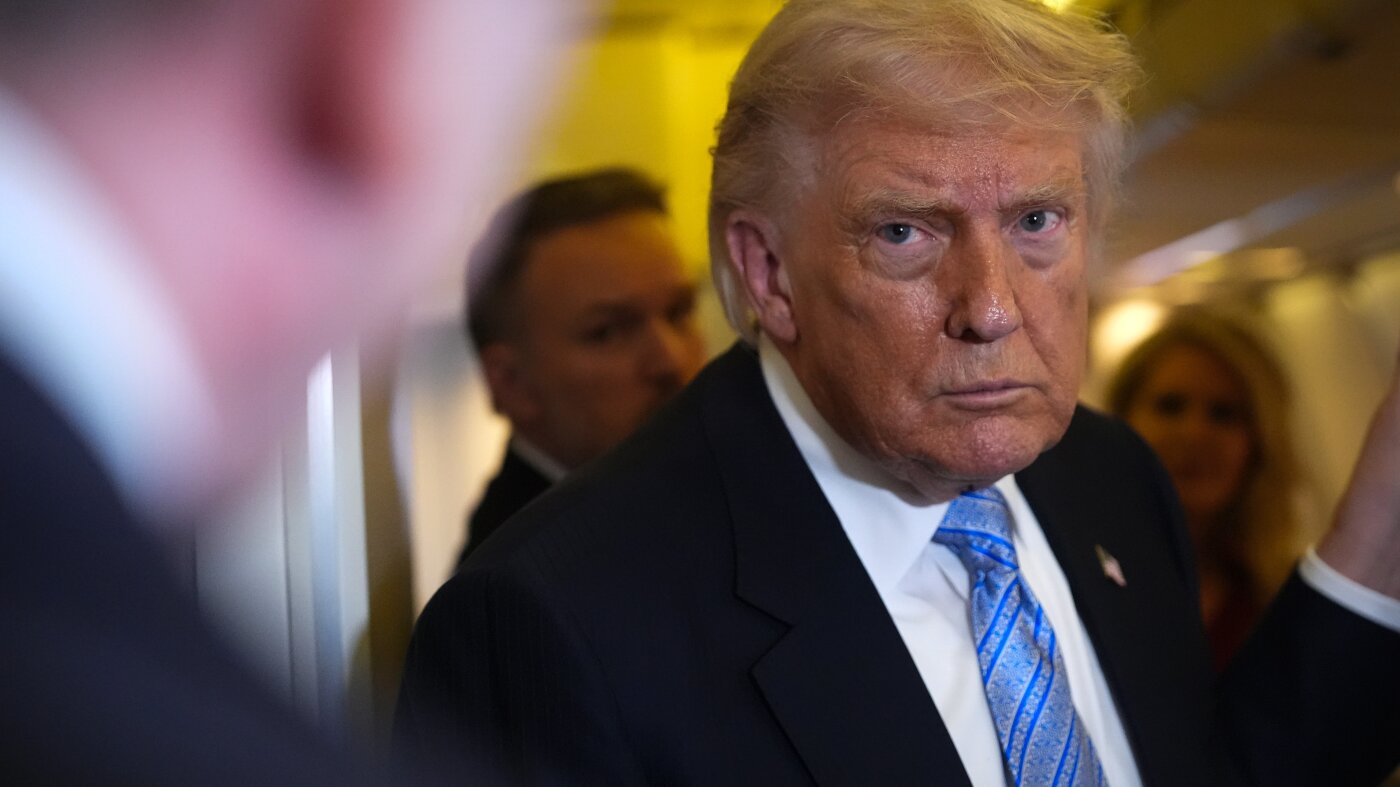
Trump's Overture to Iran: A Late Recognition of Diplomacy's Necessity?
As nuclear talks remain stalled, reports of Trump's potential openness to dialogue raise questions about his administration's impact on international relations and the pursuit of peace.

Tehran – Reports from Iran indicate that the Trump administration, known for its hawkish stance, may have signaled a willingness to engage in talks regarding Tehran's nuclear program before leaving office. This revelation casts a shadow on the administration's legacy, particularly its withdrawal from the Iran nuclear deal and the subsequent escalation of tensions that disproportionately affected Iranian civilians.
The Joint Comprehensive Plan of Action (JCPOA), painstakingly negotiated by the Obama administration and international partners, represented a landmark achievement in non-proliferation. By verifying and limiting Iran's nuclear activities, the JCPOA fostered stability and prevented a potential arms race in the Middle East. Trump's decision to abandon the agreement, driven by ideological opposition and pressure from neoconservative elements, destabilized the region and increased the risk of conflict.
The sanctions reimposed by the Trump administration inflicted immense economic hardship on the Iranian people, limiting access to essential goods and services. This economic warfare undermined social stability and fueled resentment, exacerbating existing inequalities within Iranian society. While proponents of sanctions argued that they would compel Iran to alter its behavior, the reality was that they primarily harmed ordinary citizens.
Now, reports of a potential shift in the Trump administration's approach, even in its final days, suggest a tacit acknowledgment of the failure of its maximum pressure campaign. The pursuit of dialogue, even belatedly, reflects a recognition that diplomacy remains the most effective means of resolving complex international disputes and preventing catastrophic outcomes.
Expert Analysis: Analysts note that the Trump administration's mixed signals on Iran created confusion and undermined efforts to de-escalate tensions. The legacy of the withdrawal from the JCPOA continues to complicate efforts to revive the agreement under the Biden administration. The question remains whether the damage inflicted by Trump's policies can be fully repaired.
The implications of this development are profound. The potential for renewed dialogue offers a chance to reverse the destructive trajectory set by the Trump administration and to restore a path towards peaceful resolution. However, significant challenges remain, including rebuilding trust and addressing the grievances of the Iranian people.
The international community must prioritize diplomacy and multilateralism in addressing the Iranian nuclear issue. The focus should be on ensuring Iran's compliance with its non-proliferation obligations while addressing the legitimate concerns of the Iranian people.
The reports from Iranian officials warrant careful scrutiny. It is crucial to understand the context and motivations behind this announcement. However, regardless of the specifics, the reported communication underscores the importance of dialogue and engagement in resolving international disputes.
The Biden administration must seize this opportunity to pursue a comprehensive diplomatic strategy that addresses the root causes of instability in the Middle East and promotes peace and security for all. This requires a commitment to multilateralism, respect for international law, and a willingness to engage in constructive dialogue with all parties involved.
Ultimately, the goal must be to create a more just and equitable world where all people can live in peace and security. This requires a shift away from the politics of confrontation and towards a politics of cooperation and understanding.
Sources:
* United Nations Human Rights Office of the High Commissioner (OHCHR) * Arms Control Association * The Iran Project