Putin Visit to China Signals Shift in Global Power Dynamics
Following Trump's visit, Putin's trip to China highlights the need for a progressive response to address potential challenges to international cooperation and human rights.

Moscow – The Kremlin has announced that Russian President Vladimir Putin will visit China to meet with President Xi Jinping. This visit, taking place after former U.S. President Donald Trump's own engagement, raises concerns about evolving geopolitical alliances and their potential impact on human rights and international cooperation.
The Kremlin statement indicated that Putin and Xi intend to 'further strengthen the comprehensive partnership' between their countries. This development demands close scrutiny, particularly regarding the potential implications for labor rights, environmental protections, and global governance.
Given the human rights records of both Russia and China, a closer partnership raises legitimate anxieties. Progressive voices are concerned about the potential for this alliance to undermine international norms and standards related to freedom of expression, democratic participation, and the protection of vulnerable populations.
The strengthening of economic ties between Russia and China, while potentially beneficial for their respective economies, should be examined through the lens of social and environmental justice. Concerns must be raised about the potential for unchecked corporate power, exploitation of workers, and degradation of natural resources.
Geopolitical alignment between Russia and China could also present challenges to multilateral efforts to address pressing global issues such as climate change, poverty, and inequality. A unified front that prioritizes national interests over collective action could hinder progress towards a more just and sustainable world.
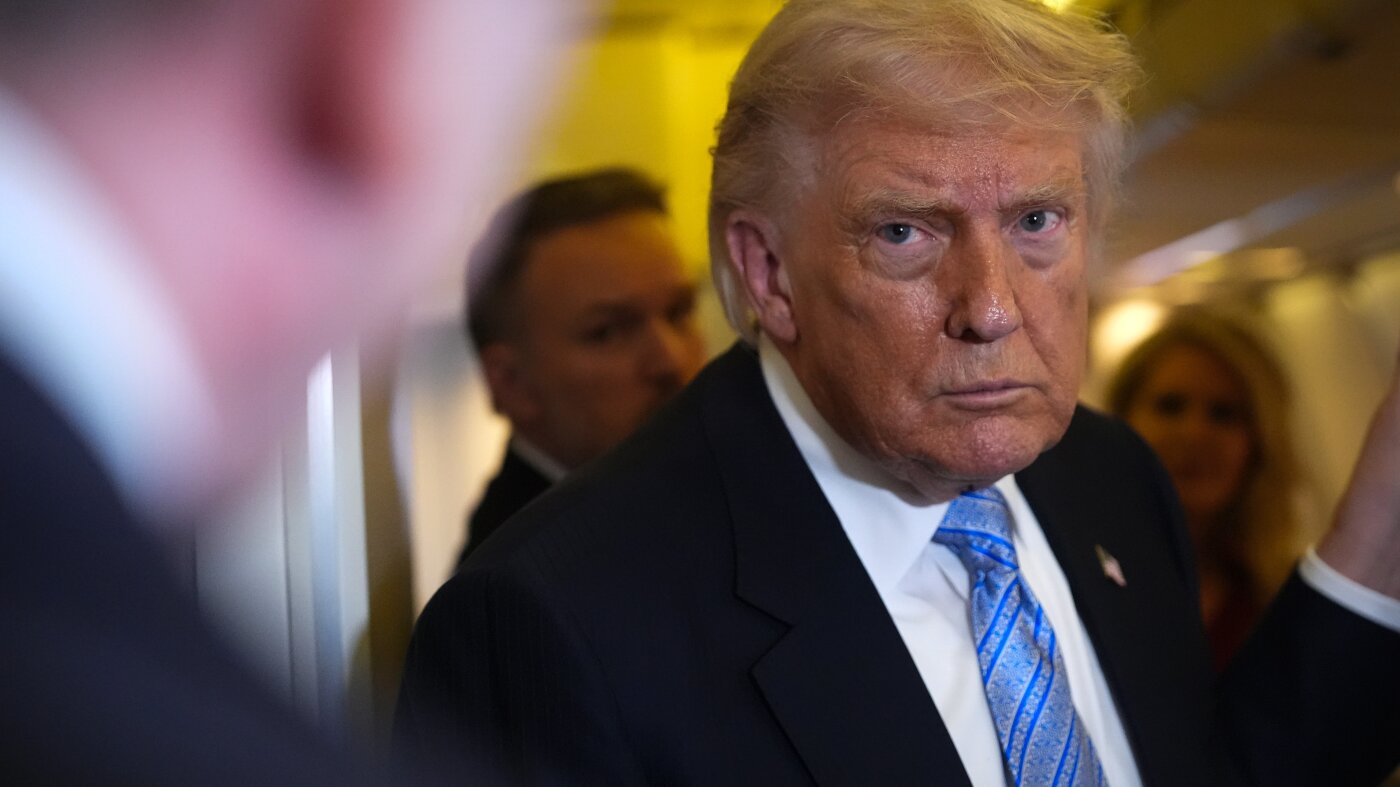
The timing of the visit, following Trump's interaction, introduces further complexity. Trump's policies often prioritized unilateralism and challenged established international norms, potentially creating a vacuum that Russia and China are seeking to fill.
It is crucial for progressive movements to advocate for a foreign policy that prioritizes human rights, environmental sustainability, and international cooperation. This requires holding both Russia and China accountable for their actions, while also promoting dialogue and engagement on issues of mutual concern.
The international community must ensure that this partnership does not lead to a weakening of international institutions or a disregard for fundamental human rights principles. Progressive policies should promote a world order based on equity, justice, and sustainability.
Progressive voices should advocate for trade agreements that protect workers' rights and environmental standards, and promote socially responsible investment.
This visit underscores the need for a proactive and principled approach to foreign policy that centers the needs of people and the planet. Ignoring the growing relationship will only lead to increased human rights and environmental concerns.
The meeting between Putin and Xi requires progressives to remain vigilant in advocating for a more just, equitable, and sustainable world.