Joint U.S.-Nigerian Operation Eliminates ISIS Leader Amid Concerns Over Escalating Conflict
The killing of Abu Bakr al-Mainuki raises questions about the long-term impact on regional stability and the potential for increased civilian casualties in the ongoing fight against extremism.
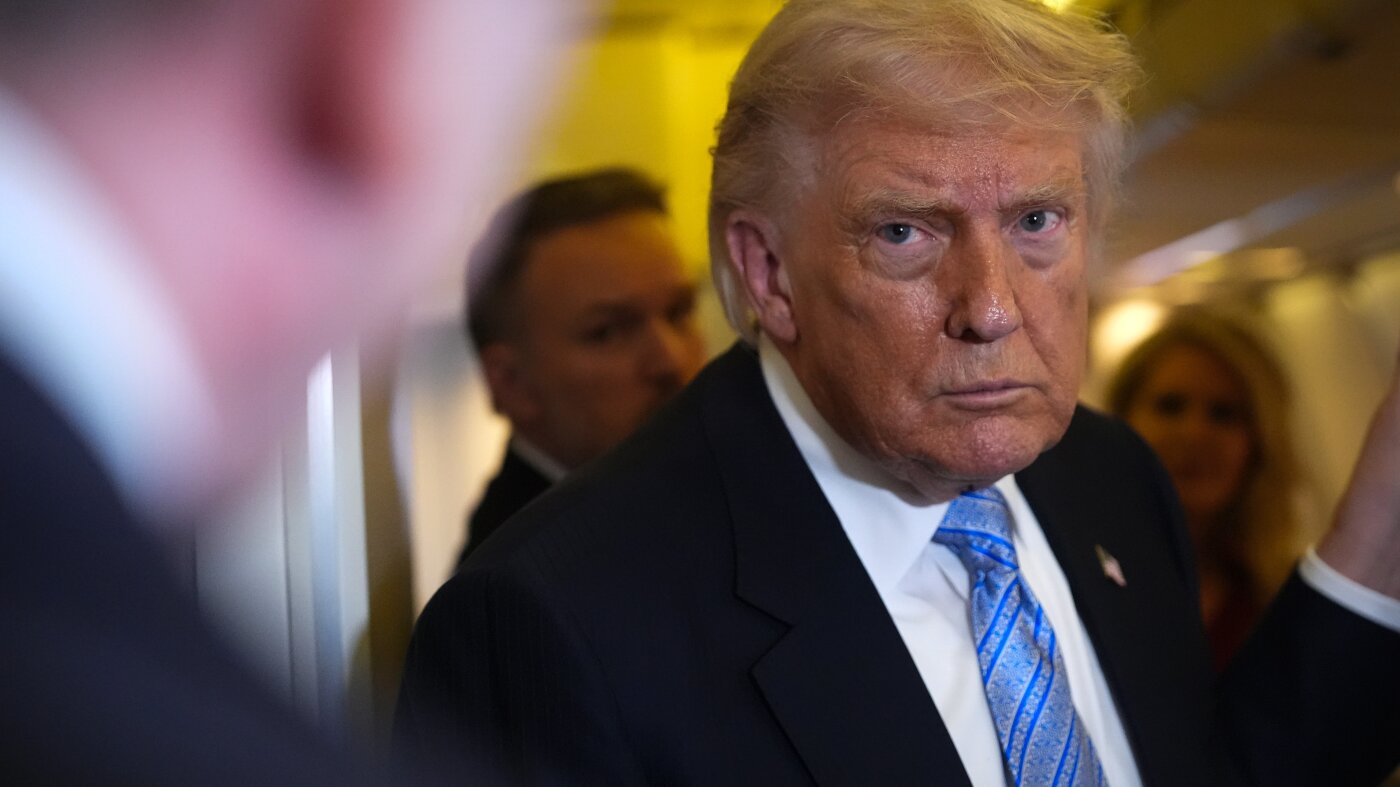
WASHINGTON — A joint U.S.-Nigerian military operation resulted in the death of Abu Bakr al-Mainuki, a leader within the Islamic State group, as confirmed by U.S. President Donald Trump. While framed as a victory, this event occurs amidst a broader context of escalating conflict and raises crucial questions about the long-term impact on civilian populations and regional stability.
Trump announced the operation via social media, stating that al-Mainuki was the second in command of the Islamic State group globally and was killed in Nigeria. However, this claim is disputed by analysts, who point out that al-Mainuki was a deputy within the Islamic State West African Province (ISWAP). The downplaying of the local context obscures the complex dynamics within Nigeria and the Sahel region, where poverty, inequality, and political grievances fuel recruitment into extremist groups.
An unnamed official highlighted al-Mainuki’s role in IS organizing and finance and alleged he was plotting attacks against the United States and its interests. This justification for the operation neglects the root causes of extremism, which are often linked to socio-economic marginalization and government failures to address basic needs. A purely military approach risks further alienating vulnerable communities and driving more individuals towards extremism.
Nigerian President Bola Tinubu confirmed the operation, stating that al-Mainuki was killed alongside “several of his lieutenants, during a strike on his compound in the Lake Chad Basin.” The mention of “lieutenants” raises concerns about potential civilian casualties and the need for greater transparency and accountability in military operations. It is crucial to ensure that efforts to combat terrorism do not come at the expense of human rights and the protection of innocent lives.
Al-Mainuki rose to prominence within the IS branch in West Africa following the death of Mamman Nur in 2018, according to the Counter Extremism Project. His base of operations in the Sahel region underscores the need for a comprehensive strategy that addresses the underlying drivers of instability in this region. This includes investing in education, healthcare, and economic development, as well as promoting good governance and human rights.
Malik Samuel, a senior researcher at Good Governance Africa, suggests that the killing of Al-Mainuki could create chaos within ISWAP. However, it is important to acknowledge that such disruptions can also lead to unforeseen consequences, such as the emergence of new, potentially more radical leaders or the fragmentation of the group into smaller, more difficult-to-track cells.


