FBI Counterterrorism Alert Raises Concerns About Civil Liberties Amid Iran Conflict
Increased surveillance and security measures spark debate about the balance between national security and the rights of marginalized communities.
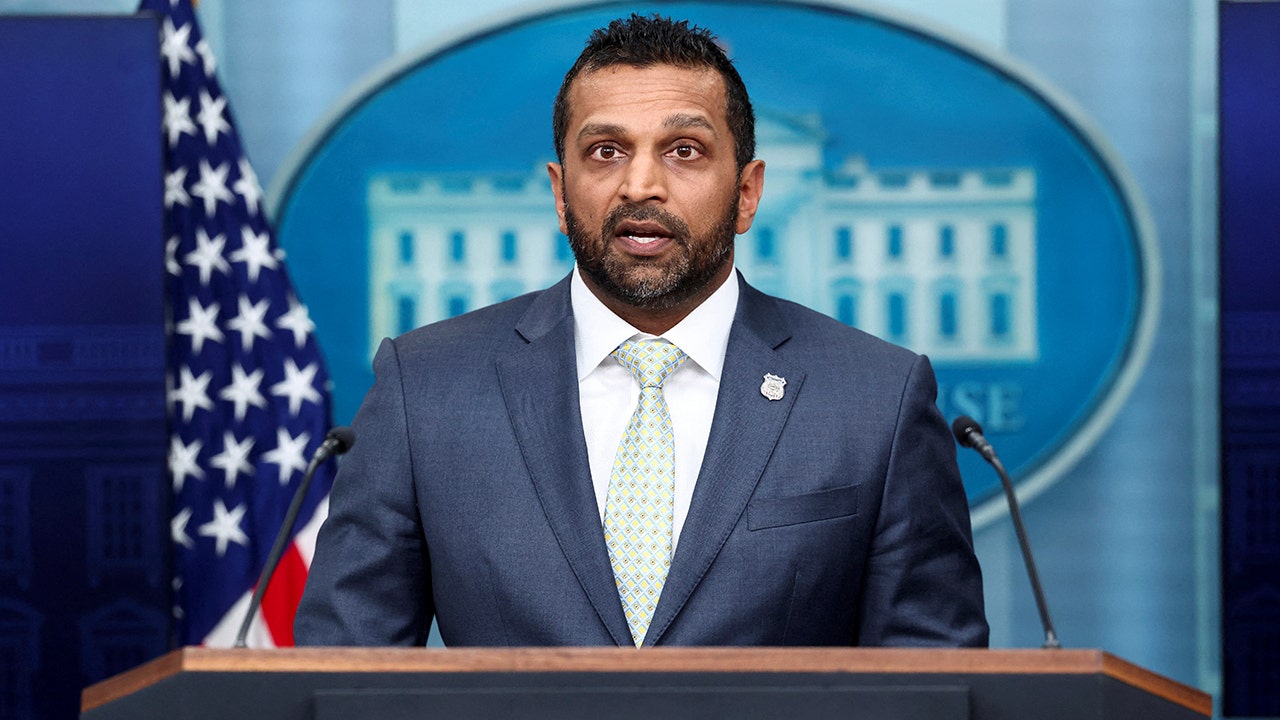
Washington D.C. – As the FBI raises the alert status of its counterterrorism and intelligence teams in response to escalating tensions with Iran, concerns are mounting regarding the potential impact on civil liberties and the targeting of marginalized communities. The FBI's decision, announced by Director Kash Patel, follows U.S. military operations against Iranian targets and involves increased surveillance of priority suspects, tasking of confidential sources, and review of technical intelligence collection.
While the stated aim is to deter potential domestic threats, critics argue that such measures often disproportionately affect Muslim, Arab, and Iranian-American communities, perpetuating discriminatory practices and violating fundamental rights. The history of post-9/11 surveillance programs reveals a pattern of overreach and the erosion of civil liberties in the name of national security.
Patel’s announcement on X emphasized the role of Joint Terrorism Task Forces (JTTFs), which have been criticized for their lack of transparency and potential for abuse. The increased surveillance and monitoring could lead to unwarranted profiling and harassment of individuals based on their ethnicity, religion, or national origin.
Homeland Security Secretary Kristi Noem's confirmation of direct coordination with federal intelligence and law enforcement partners further amplifies these concerns. The partial shutdown of the Department of Homeland Security raises questions about oversight and accountability, potentially exacerbating the risk of unchecked surveillance.
Jason Pack, a retired FBI Supervisory Special Agent and Fox News contributor, framed the heightened vigilance as standard practice. However, critics argue that such practices need rigorous oversight and transparency to prevent the violation of constitutional rights. The potential for the domestic threat environment to shift significantly during U.S. military campaigns necessitates a careful balance between security and civil liberties.
Advocates for civil rights emphasize the importance of due process, equal protection under the law, and the right to privacy. They argue that the government must ensure that any security measures are narrowly tailored, evidence-based, and subject to independent oversight.
The U.S. Secret Service's announcement of increased monitoring and coordination with federal and local partners also raises questions about the potential for over-policing and the militarization of public spaces. The Metropolitan Police Department in Washington, D.C.'s coordination with various partners to safeguard residents and visitors must be conducted in a way that respects the rights and dignity of all individuals.
The history of U.S. foreign policy in the Middle East, including interventions in Iran and support for authoritarian regimes, has contributed to instability and resentment in the region. A more comprehensive approach to national security requires addressing the root causes of extremism and promoting diplomacy, human rights, and social justice.
The current situation underscores the need for a critical examination of the government's surveillance powers and their impact on marginalized communities. Protecting civil liberties is not only a matter of constitutional principle but also essential for building a more just and inclusive society. The rush to increase security measures in times of crisis should not come at the expense of fundamental rights.
Moving forward, transparency, accountability, and independent oversight are crucial to ensure that counterterrorism efforts do not undermine the values they are intended to protect. The balance between national security and civil liberties must be constantly re-evaluated to prevent the erosion of democratic principles.