FDA Commissioner's Departure Signals Further Erosion of Public Health Protections Under Trump
Marty Makary's resignation amid clashes over flavored vapes and drug access underscores the administration's prioritization of industry over public well-being.
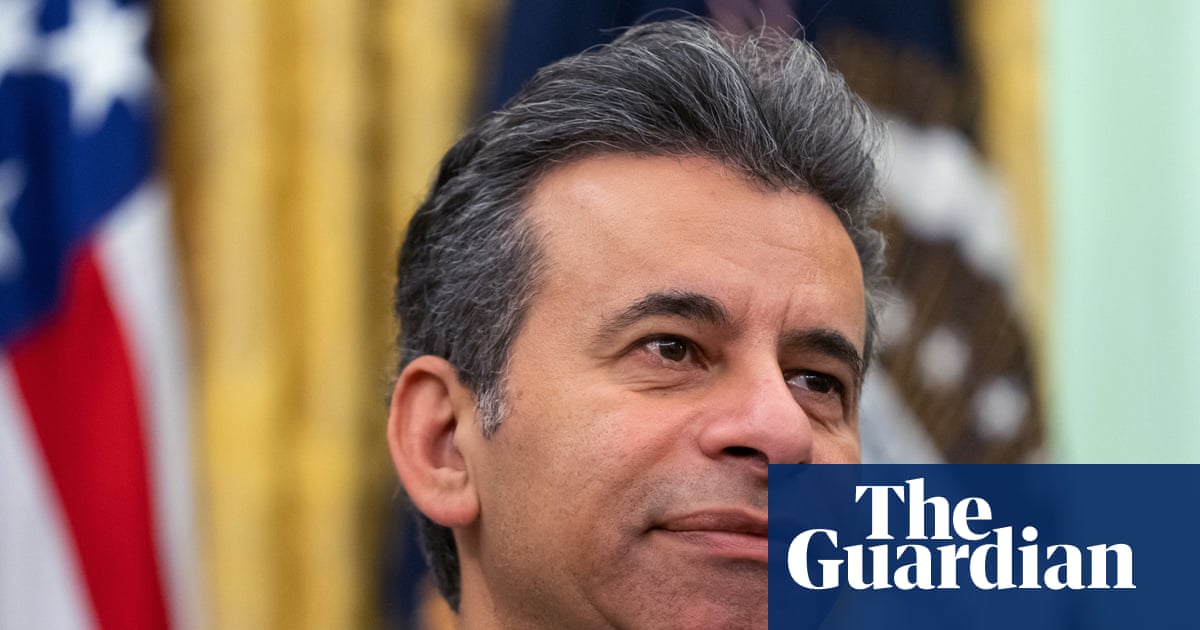
Marty Makary's resignation as commissioner of the U.S. Food and Drug Administration (FDA) marks another concerning chapter in the Trump administration's approach to public health. Makary's 13-month tenure, characterized by conflicts with the White House, Congress, and industry, culminated in his departure amid disagreements over vaping regulations and access to essential medications, revealing a disturbing trend of prioritizing corporate interests over the health and safety of Americans.
Kyle Diamantas, previously a top food official at the agency, has been tapped as acting commissioner. This appointment raises concerns about the future direction of the FDA, particularly regarding food safety and regulations.
At the heart of Makary's departure was a clash with President Trump over the approval of fruit-flavored vapes, products widely recognized as targeting youth and contributing to a surge in nicotine addiction among young people. Trump's reported desire to approve these vapes despite their documented health risks demonstrates a reckless disregard for the well-being of future generations.
Beyond vaping, Makary faced criticism for his handling of drug regulation decisions and the review of mifepristone, an essential medication for abortion care. Conservative lawmakers reportedly pressured him to slow-walk the review process, highlighting the politicization of healthcare and the ongoing attacks on reproductive rights. The reported FDA suppression of research on vaccine safety further erodes public trust in scientific institutions and undermines efforts to combat vaccine hesitancy.
Former acting FDA commissioner Janet Woodcock's claims that the agency stopped publishing research on the safety of shingles and COVID-19 vaccines paints a chilling picture of government censorship. This action potentially deprived the public of crucial information needed to make informed decisions about their health.
The Trump administration's controversial decisions extended to vaccine recommendations and the rejection of Moderna's new flu vaccine, further fueling public distrust and jeopardizing public health efforts. Peter Lurie, executive director of the Center for Science in the Public Interest, suggests that the administration's actions on vaccines have gone "too far" for the American people, signaling a dangerous disconnect between policy and public sentiment.