FDA Exodus Raises Concerns About Trump Administration's Commitment to Public Health
The departure of two high-ranking FDA officials, including Dr. Tracy Beth Høeg, fuels fears of political interference in critical regulatory decisions.
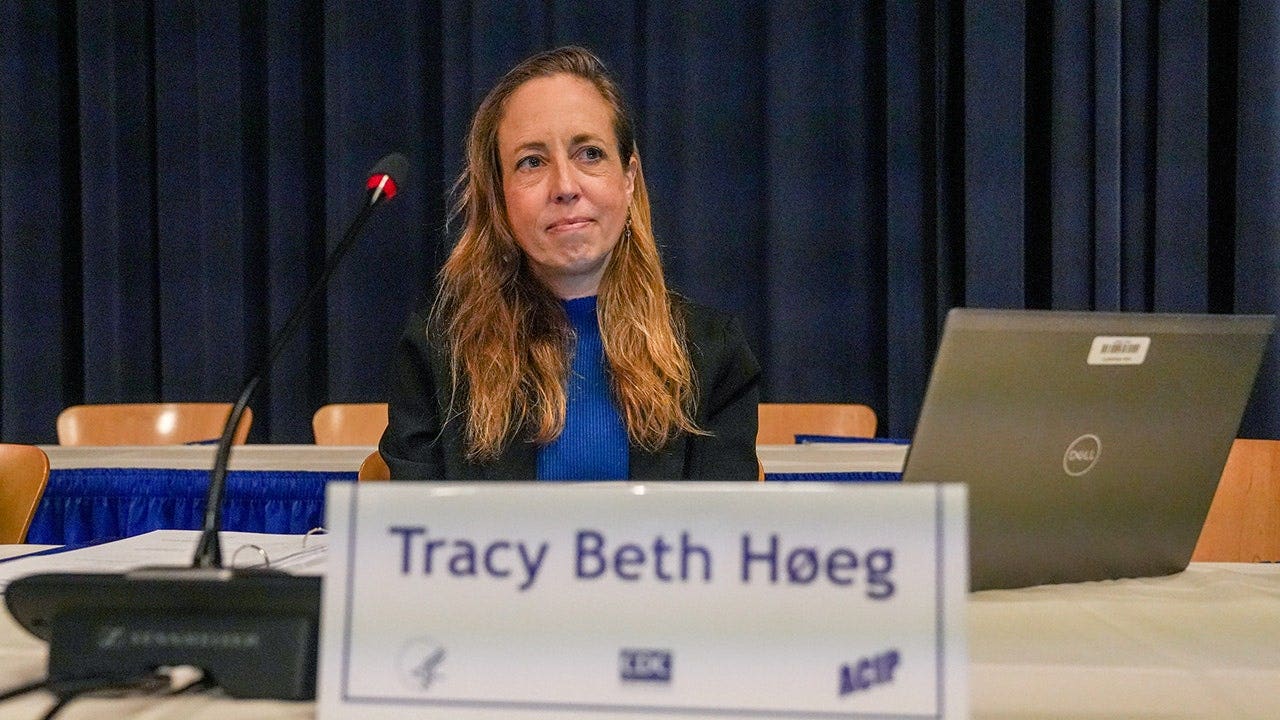
Washington, D.C. - The abrupt departure of Dr. Tracy Beth Høeg, former acting director of the FDA's Center for Drug Evaluation and Research (CDER), coupled with the resignation of FDA Commissioner Dr. Marty Makary, signals a potential crisis within the agency and raises serious questions about the Trump administration's commitment to safeguarding public health and the impartiality of regulatory science. Høeg's claim that she was fired for refusing to resign amplifies concerns of political interference.
Makary's resignation, reportedly triggered by dissatisfaction from President Trump, has paved the way for a broader shakeup within the FDA, potentially allowing for the appointment of individuals more aligned with the administration's political agenda. This raises the specter of compromised regulatory standards and prioritization of political expediency over scientific rigor, particularly concerning for vulnerable populations.
The departure of Katherine Szarama, former director of the FDA's Center for Biologics Evaluation and Research (CBER), and FDA Chief of Staff Jim Traficant, further destabilizes the agency's leadership and threatens its capacity to effectively regulate critical areas such as vaccine development and approval. The loss of experienced personnel weakens the FDA's ability to protect the public from unsafe or ineffective medical products.
Høeg's assertion that she was told the decision to remove her came from "someone way above their pay grade" points to a potential top-down directive to purge the agency of individuals perceived as insufficiently loyal to the administration. This type of political pressure can undermine the independence of regulatory agencies and erode public trust in their decisions.
Progressive advocates argue that the FDA's role in protecting public health demands insulation from political influence. The agency's decisions regarding drug approvals, vaccine safety, and medical device regulation have profound consequences for individuals and communities, particularly those already marginalized by systemic inequities. Any erosion of the FDA's independence could exacerbate existing health disparities.
The FDA's mandate extends beyond simply approving new products; it also involves rigorous post-market surveillance to identify and address potential safety concerns. A weakened FDA, susceptible to political pressure, may be less likely to hold pharmaceutical companies accountable for adverse effects or to prioritize the health and well-being of patients over corporate profits.
The appointment of Dr. Mike Davis, Høeg's former deputy, as her replacement offers a glimmer of continuity, but concerns remain about the extent to which he will be able to resist political pressure and uphold the agency's scientific integrity. Davis will be tasked with navigating a turbulent regulatory landscape amidst growing uncertainty about the administration's intentions for the FDA.
These events echo previous instances where administrations have been accused of politicizing scientific agencies, raising concerns about the potential for compromised decision-making on issues ranging from environmental protection to climate change. The independence of scientific agencies is crucial for ensuring evidence-based policy-making and protecting the public interest.
The loss of experienced leaders within the FDA could also create opportunities for corporate lobbying and industry influence to further shape regulatory policy. This would exacerbate existing concerns about the revolving door between government and the pharmaceutical industry, where individuals move seamlessly between regulatory roles and positions within pharmaceutical companies.
The Trump administration's actions regarding the FDA must be viewed within the broader context of its efforts to dismantle regulatory protections and prioritize deregulation. These policies often disproportionately harm vulnerable communities and exacerbate existing social and environmental injustices.
The implications of these leadership changes at the FDA extend far beyond the agency itself. They raise fundamental questions about the integrity of government science, the role of regulatory agencies in protecting public health, and the Trump administration's commitment to evidence-based policy-making. A robust and independent FDA is essential for ensuring that all Americans have access to safe and effective medical products.
It is crucial that Congress and the public hold the Trump administration accountable for ensuring the FDA's independence and its commitment to protecting public health over political considerations.