FDA Expands Booster Access for Vulnerable Communities, But Age Restrictions Face Criticism from Health Advocates
As federal regulators update guidelines for seniors and immunocompromised people, concerns remain that the 65-and-older cutoff leaves younger high-risk workers unprotected.
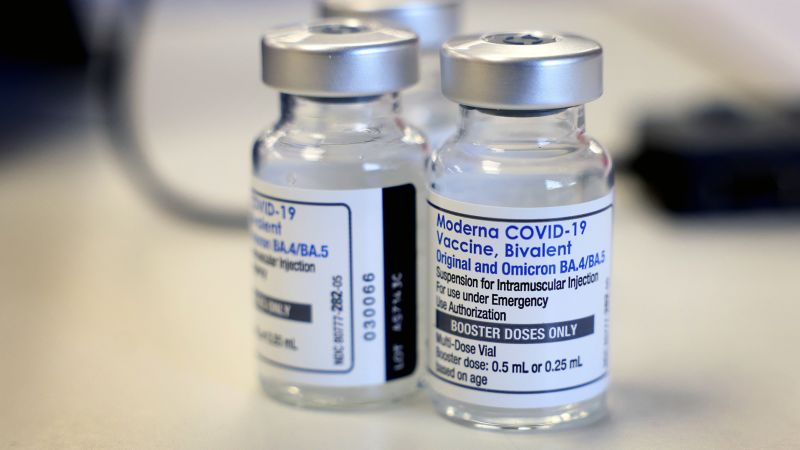
On Tuesday, the U.S. Food and Drug Administration (FDA) adjusted its emergency use authorizations (EUAs) for the Pfizer and Moderna bivalent vaccines, providing a critical pathway for elderly and immunocompromised individuals to access additional protection. Under the new rules, adults aged 65 and older and certain individuals with weakened immunity can receive additional doses before the upcoming fall campaigns. While this policy shift represents a crucial step in safeguarding the most vulnerable, public health advocates warn that restrictive age cutoffs may exclude millions of vulnerable working-class Americans who face daily exposure in high-risk environments.
The bivalent vaccines, designed to combat both the original Covid-19 strain and the Omicron variant along with its spinoffs, have been available since September under highly restrictive EUAs. Under the revised guidelines, adults aged 65 and older who received a single bivalent dose are eligible for another dose at least four months after their first. Immunocompromised individuals can obtain a second bivalent dose at least two months after their first, with subsequent doses left to the discretion of their healthcare providers. For immunocompromised children aged 6 months through 4 years, eligibility remains contingent upon their prior vaccine history.
Despite these advancements, the FDA's decision to restrict the age cutoff to 65 has sparked critical pushback from leading medical voices. Dr. Peter Hotez, co-director of the Center for Vaccine Development at Texas Children's Hospital, questioned the scientific justification for this age threshold. Hotez argued that the age cutoff should have been lowered to 60 or even 50, stressing that public health policies should prioritize making second bivalent boosters accessible to all Americans who recognize their importance. For many working-class communities, systemic barriers to healthcare make earlier access to preventive care a matter of survival.
Furthermore, the FDA simplified its protocol for unvaccinated individuals, allowing them to receive a single dose of the bivalent vaccine instead of the multi-dose primary series of the original single-strain vaccines. The agency justified this change by citing evidence that most of the domestic population aged 5 and older already possesses antibodies against the virus, whether through previous vaccination or past infection. However, relying on past infection to justify reduced access to comprehensive vaccine schedules raises concerns about the long-term health implications for marginalized populations who have disproportionately borne the brunt of the pandemic's impact.