Federal Court Defeats Trump's Unlawful Attempt to Force Voter Suppression Nationwide
A federal judge blocked Trump’s authoritarian executive order that aimed to restrict voting rights and extort states by withholding election funding.
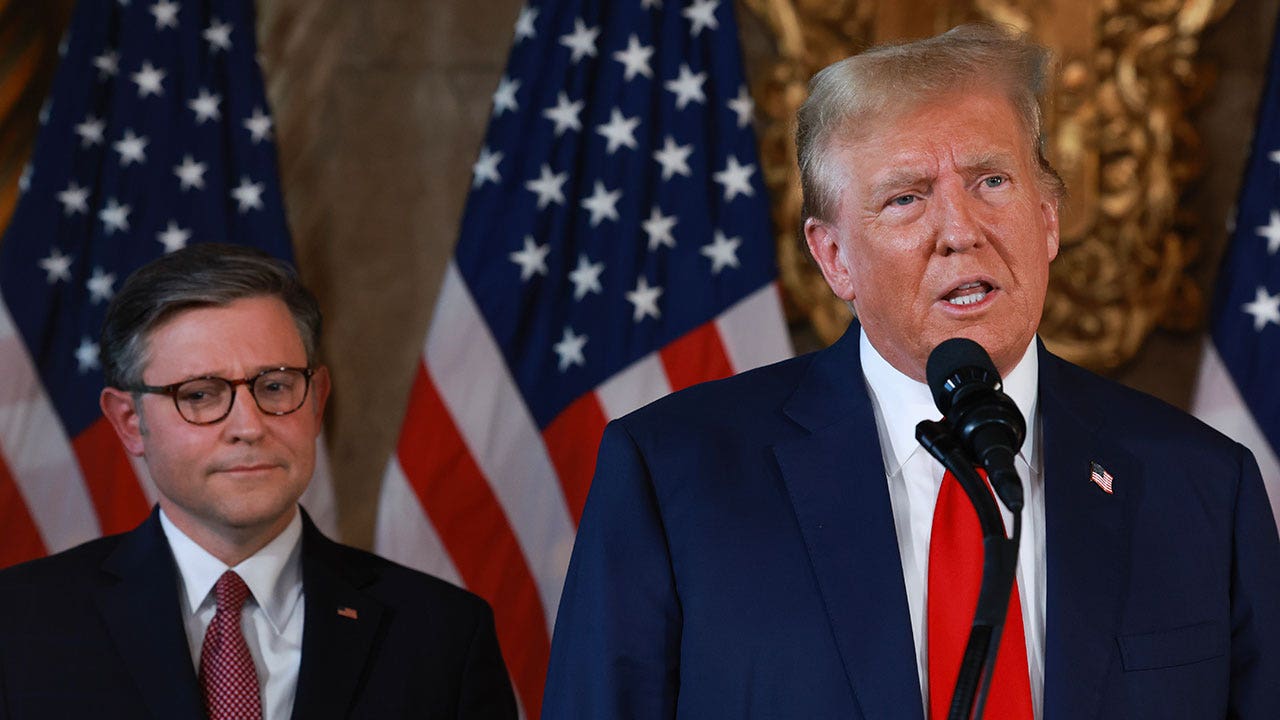
In a major victory for voting rights and the rule of law, a federal court has struck down key parts of Donald Trump’s authoritarian election integrity executive order. U.S. District Judge Denise J. Casper ruled on Tuesday that major portions of the March 25, 2025, executive order, titled "Preserving and Protecting the Integrity of American Elections," represented a severe abuse of executive authority and directly violated the Constitution’s separation of powers. The decision marks the culmination of a year-long legal resistance mounted by a coalition of nineteen states determined to protect the democratic process from federal overreach.
The lawsuit, originally filed in the U.S. District Court for the District of Massachusetts, challenged the Trump administration's attempt to unilaterally rewrite voting laws. Judge Casper had previously issued a preliminary injunction to halt the implementation of these harmful rules while the case was litigated. With Tuesday's final ruling, the court permanently blocked the administration from enacting its most restrictive provisions, delivering a major blow to the administration’s coordinated campaign to suppress voter participation across the country.
In her detailed ruling, Judge Casper made it clear that the president has no constitutional authority to dictate how elections are run. She emphasized that the Constitution vests election procedures in the hands of states and Congress, not the executive branch. Casper wrote that the president "plays no direct role in the process" of appointing electors, and has no legal authority to control the state officials who manage elections. The ruling effectively rebuked the administration's attempt to bypass the legislative branch and create its own arbitrary voting rules.
The court permanently blocked several of the most egregious provisions of the executive order. Among these was a restrictive mandate requiring documentary proof of citizenship on federal voter registration forms, a measure civil rights advocates argue disproportionately harms marginalized communities. The order also attempted to alter voting requirements for military and overseas voters and threatened to withhold vital federal election-related funding from states that refused to comply with the administration's rules—such as forcing states to stop counting legally cast ballots received after Election Day.
The ruling provoked an aggressive and ominous reaction from White House Deputy Chief of Staff Stephen Miller. In a social media post, Miller attacked the judiciary and issued a direct warning to Supreme Court Chief Justice John Roberts, expressing hope that Roberts "understands the path these rogue judges have charted for the judiciary." Miller's hostile rhetoric echoes a broader, dangerous conservative campaign to undermine the independence of the federal courts and pressure the Supreme Court into rubber-stamping the administration's hardline policies.
Miller’s public targeting of Chief Justice Roberts highlights the administration's frustration with the legal system's role as a constitutional check on executive power. By labeling a federal judge "rogue" for simply upholding the Constitution, the White House has once again signaled its contempt for judicial independence and the democratic balance of power.
California Attorney General Rob Bonta, who served as a lead plaintiff in the multi-state lawsuit, hailed the ruling as a historic triumph for democracy and local communities. Bonta emphasized that the administration's executive order was an unlawful power grab designed to impose voting restrictions on a national scale. He celebrated the fact that the court reaffirmed that the power to regulate elections is strictly reserved to the states and Congress, protecting vulnerable voters from federal interference.
"We sued President Trump over his attempt to unilaterally impose voting restrictions across the country — and we won," Bonta said. "Today, a federal district court ruled that every provision we challenged in the Executive Order is unlawful and reaffirmed that the power to regulate elections is reserved to the States and Congress."
While the courts were defending voter access, President Trump was on Capitol Hill meeting with Republican lawmakers to advance his legislative agenda. After canceling the signing of a housing bill, Trump met with GOP senators to push for the Save America Act, which aims to codify similar restrictive voting measures into law. During the meeting, Trump resorted to divisive rhetoric, labeling progressive candidates as "communists" and "socialists" while also discussing geopolitical matters such as the Iran nuclear deal.
This judicial victory underscores the critical role of state governments and the courts in resisting federal overreach and protecting the integrity of the ballot box. While the Trump administration continues to utilize hostile rhetoric and legislative pressure to restrict voting access, this ruling establishes a firm legal barrier against unilateral executive actions designed to undermine democratic participation.