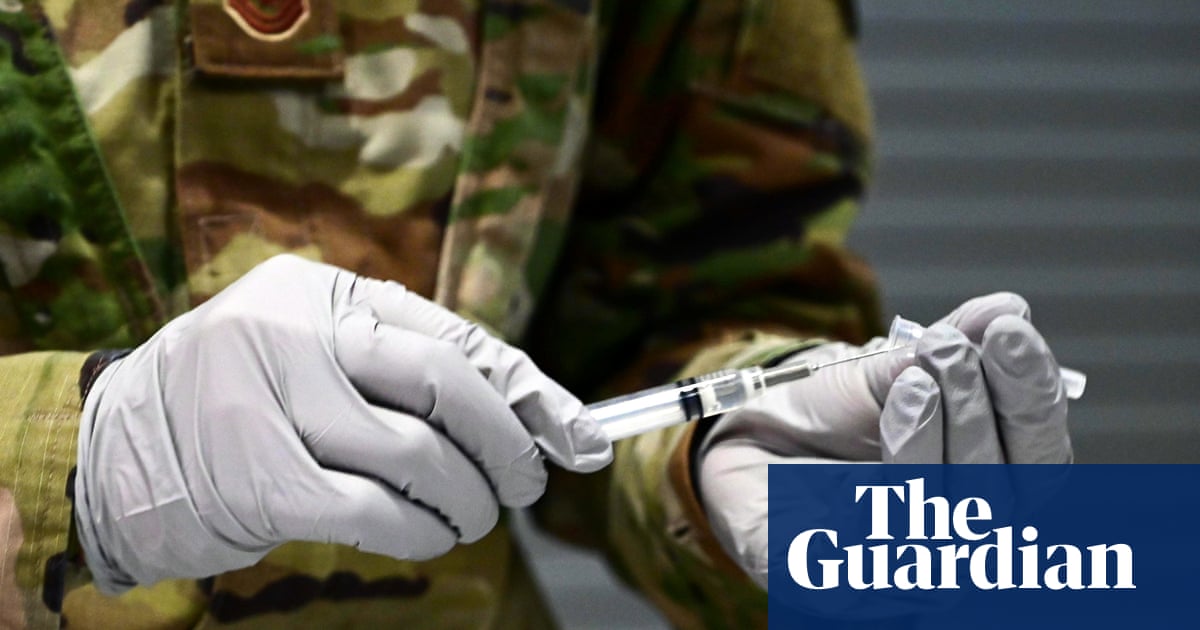
Federal DOJ Intervenes to Block California’s Common-Sense Gun Safety Legislation
The Department of Justice threatens legal action over Assembly Bill 1127, putting gun industry profits over community safety.
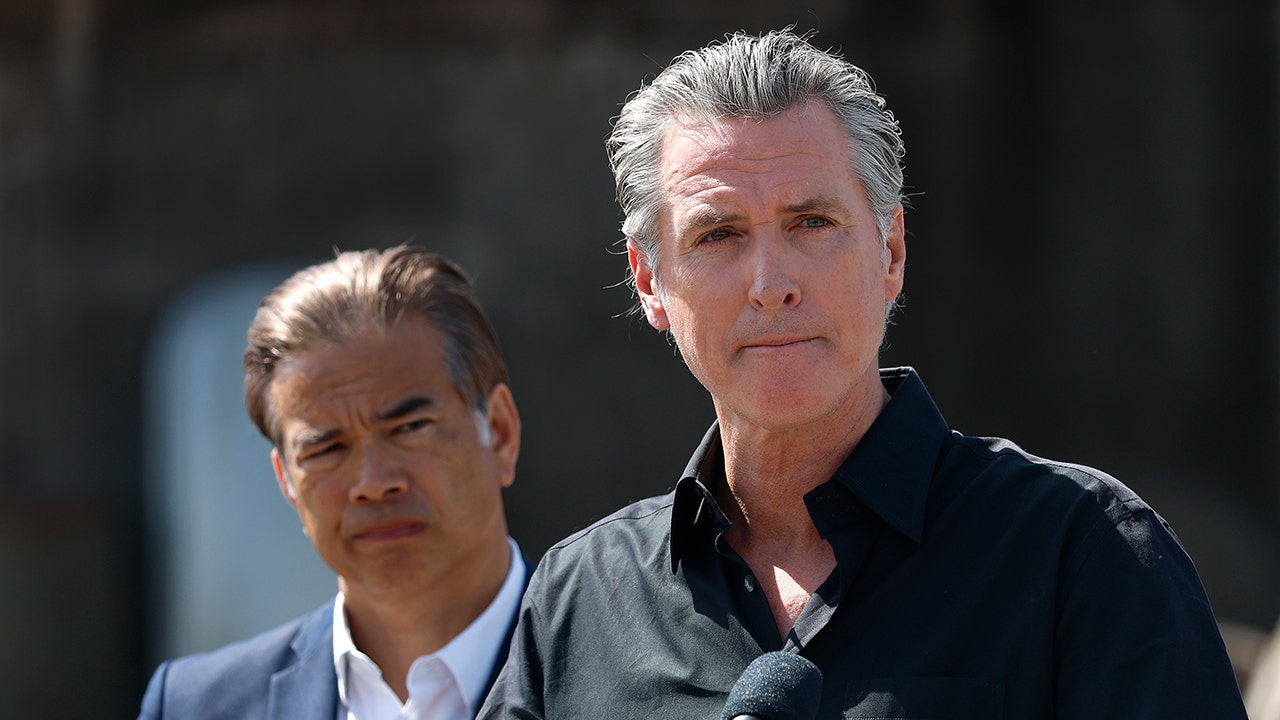
In a disappointing setback for advocates of gun violence prevention, the federal Department of Justice has threatened to sue California over Assembly Bill 1127. The law, signed by Governor Gavin Newsom last fall and scheduled to take effect on July 1, 2026, aims to regulate handguns that can be easily modified into fully automatic weapons. However, the federal government has intervened on behalf of gun manufacturers, with Assistant Attorney General for Civil Rights Harmeet Dhillon demanding that California halt enforcement of the law or face a federal lawsuit.
Assembly Bill 1127, commonly referred to as the "Glock ban," targets semi-automatic handguns that are highly susceptible to dangerous modifications. State officials have pointed out that standard Glocks possess trigger mechanisms that can be quickly and easily altered using illegal, cheap aftermarket conversion devices. These modifications essentially turn standard handguns into military-grade automatic weapons, posing a severe threat to public safety and law enforcement officers in communities across the state.
To ensure a balanced transition, the legislation includes several common-sense compromises. It does not affect current gun owners, who are permitted to keep their existing firearms. Furthermore, the law exempts law enforcement agencies and the military, acknowledging the specific operational needs of public safety officials. Despite these carefully tailored provisions, the gun lobby and federal officials have characterized the safety measure as a sweeping, unconstitutional ban on popular firearms.
In her letter to Governor Newsom and state Attorney General Rob Bonta, Assistant Attorney General Dhillon criticized the law, arguing that California residents have a right to acquire "state-of-the-art" handguns. By prioritizing consumer access to the newest firearm models over the safety of the public, the DOJ's argument aligns closely with the interests of the firearms industry. Dhillon asserted that citizens should not have to settle for older models of handguns to protect themselves, dismissing the state's legitimate concerns regarding rapid-fire modifications.
Under the DOJ’s ultimatum, California officials have been given until Tuesday at 5 p.m. to agree to pre-suit negotiations. However, the conditions set by the federal government leave very little room for genuine dialogue. The DOJ is demanding that California immediately stop enforcing the safety law, formally declare its own legislation to be unconstitutional, and enter into a court-enforceable consent decree. This binding decree would permanently prevent the state from ever passing similar safety measures to protect its citizens from modified automatic weapons.
This federal intervention comes as California faces a barrage of legal challenges from conservative groups and the gun industry. The National Rifle Association has already filed its own lawsuit targeting AB 1127, seeking to dismantle the law before it can take effect. This coordinated legal assault undermines the democratic will of California voters, who have repeatedly supported progressive gun safety legislation to combat the epidemic of gun violence in their state.
This is not the first time federal courts and conservative officials have targeted California's protective laws. Recently, a federal appeals court struck down California's ammunition background check system, claiming it was unconstitutional. These judicial decisions demonstrate a growing trend of stripping states of their regulatory power, leaving local communities increasingly vulnerable to firearm-related tragedies while prioritizing the unchecked expansion of gun ownership.
Even federal rulings in unrelated gun cases are being used to push a broad anti-regulatory agenda. For instance, the Supreme Court recently issued a unanimous ruling protecting the Second Amendment rights of a marijuana user, demonstrating how the courts are actively expanding firearm access. As California prepares for the upcoming Tuesday deadline, the battle over AB 1127 highlights the steep challenges progressive states face when trying to enact meaningful public safety laws under a hostile federal judiciary.
Sources: * U.S. Department of Justice, Civil Rights Division * California State Legislature, Assembly Bill 1127 (2025) * U.S. Court of Appeals for the Ninth Circuit, Ammunition Law Ruling * Supreme Court of the United States, Firearms Possession Ruling