Federal Reserve's Rate Pause Prolongs Affordability Crisis for Working Families
The Fed's decision to hold interest rates steady amid geopolitical tensions exacerbates financial strain on households already struggling with high costs.
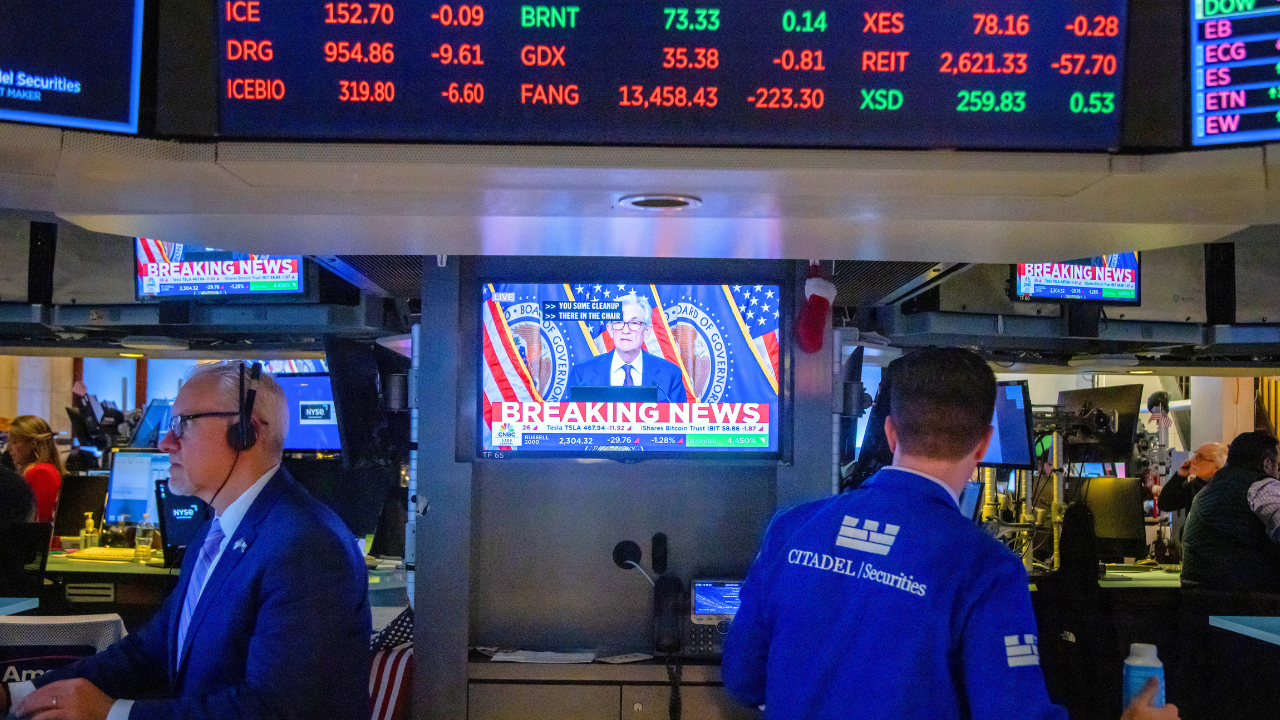
Washington D.C. – The Federal Reserve's anticipated decision to maintain its key interest rate between 3.50% and 3.75% is poised to prolong the affordability crisis facing working families across the nation. This decision, stemming from the Federal Open Market Committee (FOMC) meeting, reflects a cautious approach driven by persistent inflation concerns and escalating geopolitical uncertainty, particularly the conflict with Iran.
While inflation may have cooled slightly, the cost of essential goods and services remains stubbornly high. The Fed's focus on taming inflation, while important, disproportionately impacts low- and middle-income households who are already struggling to make ends meet. High interest rates translate directly into higher monthly payments for mortgages, car loans, and credit cards, squeezing already tight budgets.
The current economic climate underscores the need for a more holistic approach to economic policy. Relying solely on interest rate adjustments to manage inflation fails to address the underlying structural issues that contribute to economic inequality and financial insecurity.
The Fed's decision also raises concerns about the influence of political pressure on monetary policy. President Trump has repeatedly called for lower interest rates, seemingly prioritizing short-term economic gains over long-term stability and equity. The Fed must remain independent and resist political interference, prioritizing the needs of all Americans, not just the wealthy and well-connected.
The housing and auto markets, crucial sectors for working families, are particularly vulnerable to high interest rates. The dream of homeownership remains out of reach for many, and even purchasing a reliable vehicle becomes increasingly difficult.
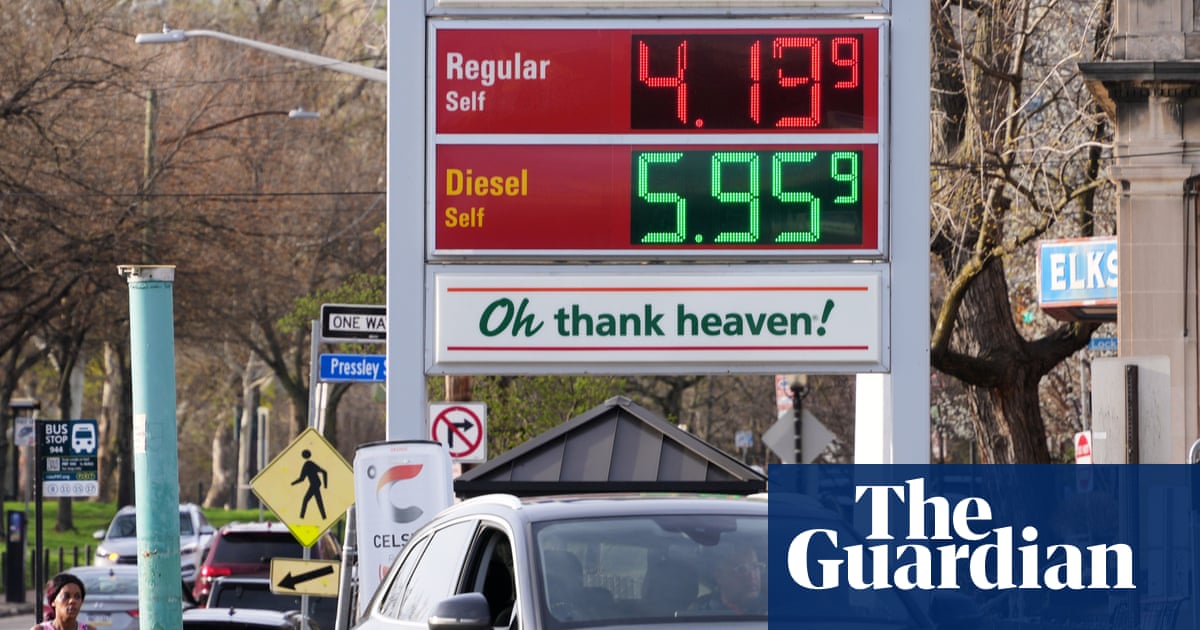
The conflict with Iran further complicates the economic picture. Rising oil prices, fueled by geopolitical tensions, threaten to drive up inflation again, creating a vicious cycle of higher prices and stagnant wages. This situation underscores the need for a comprehensive energy policy that prioritizes renewable energy sources and reduces our reliance on fossil fuels.
Progressive economists argue that the Fed should consider alternative approaches to managing inflation, such as targeted fiscal policies and investments in infrastructure and education. These measures would not only help to control inflation but also create jobs and promote long-term economic growth.