Ferrari's Electric 'Luce' Sparks Debate on Automaker Responsibility Amid Climate Crisis
Backlash against the luxury EV highlights the tensions between corporate legacy, environmental necessity, and accessibility in the shift to electric vehicles.
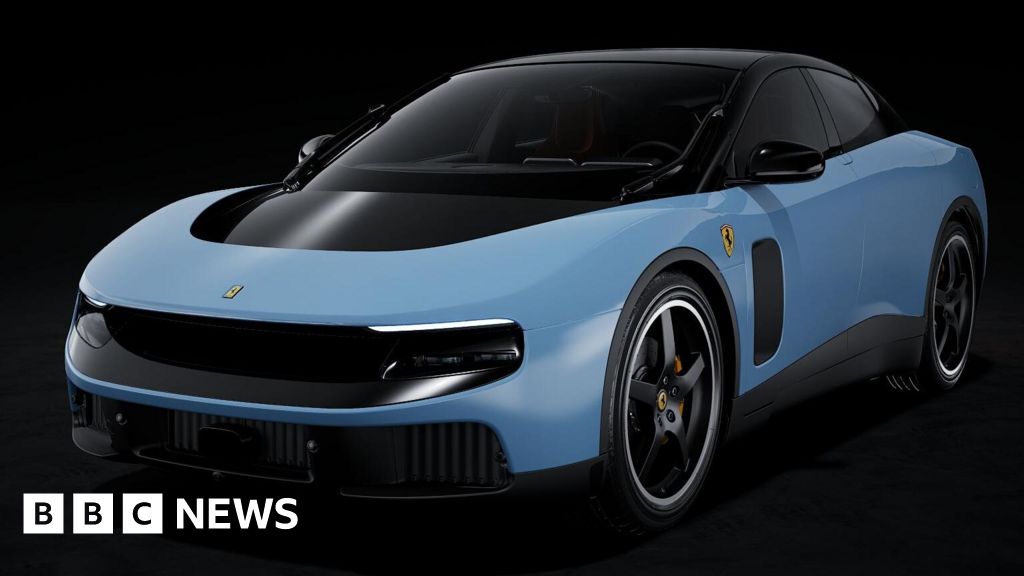
Ferrari's unveiling of its first electric vehicle (EV), the Luce, has triggered a complex debate that extends beyond the car's design, delving into the responsibilities of luxury automakers in the face of the climate crisis. While the Luce represents a step towards electrification, critics argue that its exorbitant price tag and continued focus on luxury undermine its potential environmental impact.
The backlash against the Luce underscores the tension between corporate profit and the urgent need for accessible and sustainable transportation. The car's $640,000 price makes it inaccessible to the vast majority of the population, raising questions about whether Ferrari is truly committed to democratizing electric vehicle technology.
While Ferrari's transition to EVs is a welcome step, the Luce's design and marketing perpetuate a culture of exclusivity and conspicuous consumption. This raises concerns about the automaker's willingness to address the systemic inequalities that contribute to climate change.
The Luce's critics point out that the focus on high-performance luxury EVs distracts from the need for affordable and reliable electric vehicles for everyday use. The transition to electric vehicles should prioritize equity and accessibility, ensuring that the benefits of clean transportation are shared by all, not just the wealthy.
Moreover, the production and consumption of luxury goods, including high-end EVs, contribute to environmental degradation and resource depletion. Critics argue that Ferrari has a responsibility to minimize its environmental footprint and promote sustainable practices throughout its supply chain.
The Luce's unveiling has also sparked discussions about the role of influential figures, such as Italian President Sergio Mattarella and Pope Leo, in promoting sustainable transportation. While their presence at the launch event signals a recognition of the importance of EVs, some question whether their endorsement legitimizes a luxury product that is out of reach for most people.
As the global automotive industry transitions to electric vehicles, it is crucial that automakers prioritize social and environmental responsibility. This includes investing in research and development for affordable EVs, promoting sustainable manufacturing practices, and advocating for policies that support equitable access to clean transportation.
Former Ferrari chairman Luca Cordero di Montezemolo's comment about "risking the destruction of a legend" encapsulates the challenge of balancing tradition with the need for innovation and sustainability. The focus should be on evolving the brand in a way that aligns with the values of social and environmental justice.
The backlash against the Luce serves as a reminder that the transition to electric vehicles is not merely a technological challenge, but a social and ethical one. Automakers must recognize their role in creating a more sustainable and equitable future, and prioritize the needs of communities over the pursuit of profit.
The controversies surrounding Ferrari's first EV, the Luce, underscore the need for a more holistic approach to sustainable transportation. This approach must address issues of accessibility, affordability, and social equity, ensuring that the benefits of electric vehicles are shared by all members of society.
The move toward electric vehicles needs to be a just transition that supports workers and communities affected by the shift away from fossil fuels. Ferrari and other automakers should work with labor unions and community organizations to ensure that the transition creates good-paying jobs and promotes economic opportunity for all.
The Luce’s lukewarm reception highlights how critical it is for automakers to take meaningful action on climate change. Without focusing on equity, sustainability, and accessibility, even advancements in EV technology ring hollow.