Fetterman's 'Pro-Hezbollah/Hamas' Label Stokes Debate Over Free Speech, Solidarity
Senator Fetterman's inflammatory rhetoric against NYC protesters raises concerns about the suppression of dissent and the conflation of anti-Zionism with antisemitism.
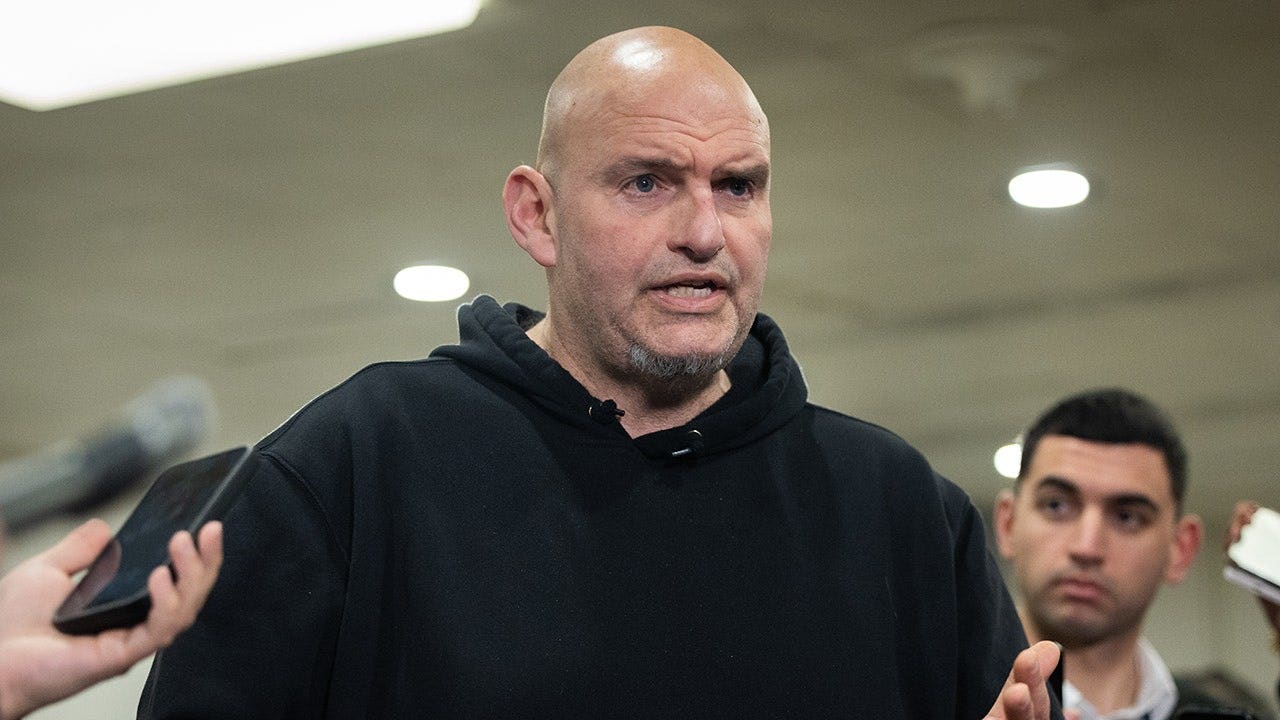
Washington, D.C. -- Senator John Fetterman's (D-PA) recent condemnation of New York City protesters as 'pro-Hezbollah/Hamas' has ignited a critical conversation about the boundaries of free speech, the complexities of solidarity with Palestine, and the dangerous potential for conflating anti-Zionism with antisemitism. The senator's remarks, delivered via social media platform X, followed demonstrations near a Manhattan synagogue where an Israeli real estate event was being held.
Fetterman's use of such charged language, particularly his labeling of protesters as supporters of designated terrorist organizations, raises serious concerns about the chilling effect on legitimate political dissent. Activists and civil liberties advocates argue that broad and unsubstantiated accusations can stifle free expression and create a climate of fear, particularly for marginalized communities.
The protests in question took place against the backdrop of ongoing violence in the Middle East and growing international concern over the Israeli government's policies towards Palestinians. Many activists view anti-Zionism as a legitimate political stance rooted in opposition to the occupation of Palestinian territories and the denial of Palestinian rights. To equate all criticism of Israel with antisemitism, they argue, is to weaponize the term and silence crucial voices advocating for justice and equality.
Critics point to the historical context of anti-Zionism, noting that it has been embraced by diverse groups, including Jewish intellectuals and activists who believe that Zionism is incompatible with progressive values. While antisemitism is a real and serious threat that must be actively combated, it is crucial to distinguish between genuine expressions of hatred and legitimate critiques of Israeli policies.
The incident at Park East Synagogue, where the Great Israeli Real Estate Event was taking place, highlights the tensions surrounding the issue. While the synagogue has a right to host events and maintain its commitment to peaceful worship, protesters also have a right to express their views on issues of public concern. The role of law enforcement in managing such situations is to ensure the safety of all parties while protecting the right to protest.
Fetterman's strong support for Israel is well-documented, and his recent statements are consistent with his past positions. However, some within the Democratic Party have expressed concern that his rhetoric could alienate progressive voters and undermine efforts to build a more inclusive and equitable society. The party faces a challenge in navigating the diverse range of views on Israel and Palestine within its ranks.
Moreover, the senator's reliance on social media to amplify his message raises questions about the responsibility of elected officials to engage in thoughtful and nuanced dialogue, rather than resorting to inflammatory language that can further polarize public opinion. Social media platforms can be powerful tools for communication and organizing, but they can also be breeding grounds for misinformation and hate speech.
This situation underscores the need for a more nuanced and informed discussion about Israel and Palestine, one that acknowledges the complexities of the conflict and respects the rights and perspectives of all parties involved. It also highlights the importance of protecting free speech and fostering a climate of open debate, even on contentious issues.
Furthermore, it is crucial to recognize that the fight against antisemitism is inextricably linked to the fight against all forms of bigotry and discrimination. Building a just and equitable society requires a commitment to dismantling systemic oppression and challenging all forms of prejudice, including racism, Islamophobia, and homophobia.
The focus should be on addressing the root causes of conflict and working towards a just and lasting peace that respects the rights and dignity of all people. This requires a commitment to international law, human rights, and the principles of equality and self-determination.
Ultimately, Fetterman's remarks serve as a reminder of the challenges facing the Democratic Party and the broader progressive movement in navigating the complexities of the Israeli-Palestinian conflict. It is essential to engage in constructive dialogue, promote understanding, and work towards a more just and peaceful world for all.
Moving forward, it is imperative that elected officials and community leaders prioritize empathy, understanding, and respect for diverse perspectives. By fostering a climate of open dialogue and critical thinking, we can move beyond divisive rhetoric and work towards building a more just and equitable society for all.