FIFA Backtracks on Solidarity, Distancing Itself From Seattle Pride Match Under Pressure From Repressive Regimes
While fans may carry rainbow flags, Gianni Infantino’s corporate retreat exposes the governing body’s reluctance to stand firmly with LGBTQ+ communities.
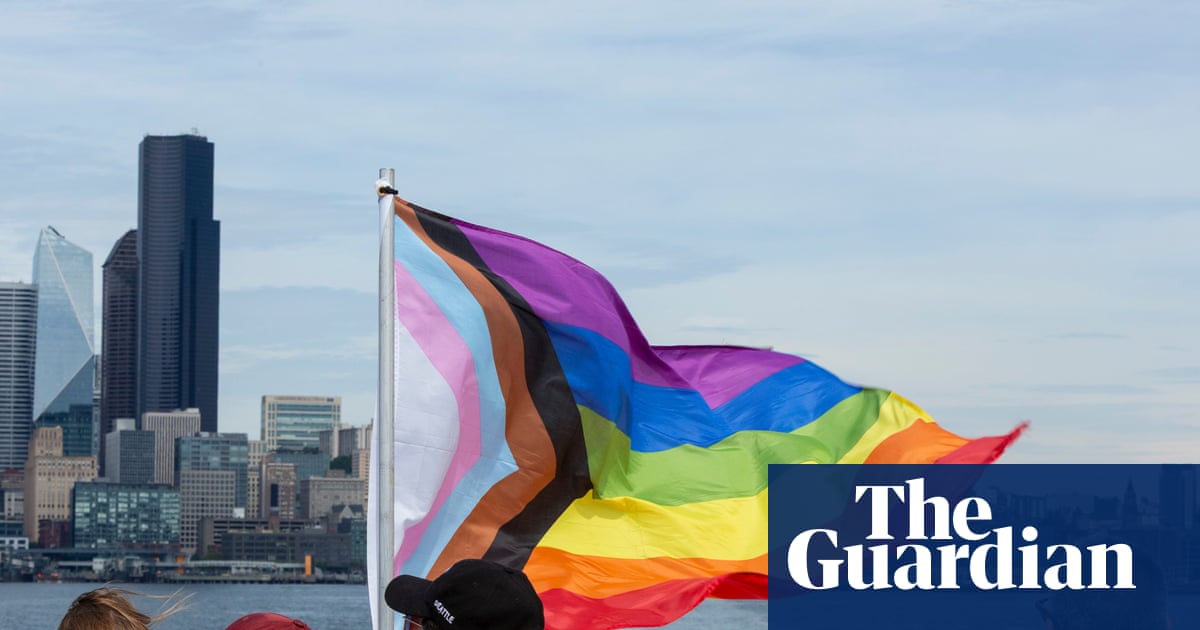
In a compromise that highlights the ongoing tension between global sports and human rights, FIFA has confirmed that rainbow flags will be permitted inside Seattle Stadium for the World Cup match between Egypt and Iran. The match, coinciding with Seattle's annual Pride weekend, was designated as a "Pride Match" by local grassroots organizers to celebrate the LGBTQ+ community. However, this visual victory for inclusion is overshadowed by the hostile resistance from the competing nations' federations, both of which actively petitioned FIFA to cancel the scheduled celebrations entirely.
The pushback from the visiting federations is deeply rooted in systemic state homophobia. In Iran, LGBTQ+ individuals face severe state-sanctioned violence, and same-sex relationships remain completely illegal. In Egypt, authorities have a long, documented history of aggressively prosecuting queer and trans people. Rather than using the global stage of the World Cup to challenge these repressive human rights records, the national federations of both countries chose to lodge formal complaints in an attempt to suppress queer visibility in Seattle.
Rather than standing in firm solidarity with vulnerable communities, FIFA President Gianni Infantino chose to distance the international organization from the Pride events. Infantino went out of his way to clarify that there is "no 'Pride Match' at the World Cup," emphasizing that the festivities are purely the work of external local organizations. This bureaucratic sidestepping reflects a familiar corporate pattern of prioritizing political convenience over human rights, reassuring repressive states that the governing body will not hold them accountable on the international stage.
During pre-match press conferences, the coaching staffs of both teams attempted to enforce a strict media blackout on human rights questions. The Iranian federation began their press availability with an authoritarian mandate, demanding that journalists restrict all questions strictly to tactics and play on the pitch. Iranian head coach Amir Ghalenoei flatly refused to engage with the topic of LGBTQ+ rights, stating he would not discuss "anything that is banned in our league," highlighting how state censorship extends even into international media rooms.
Ghalenoei insisted that his squad is focused solely on football and bringing joy to the people of Iran. By framing human rights as a distraction that is irrelevant "once the game starts," the Iranian coaching staff sought to sweep state-sanctioned oppression under the rug of athletic entertainment. This refusal to acknowledge the struggle of queer people in their home country underscores the immense barriers to basic visibility that marginalized communities face.