First Ebola Case Reaches France as Aid Cuts and Conflict Supercharge DRC Outbreak
The infection of a returning humanitarian doctor exposes how global inequality and military conflict are driving a historic health crisis.
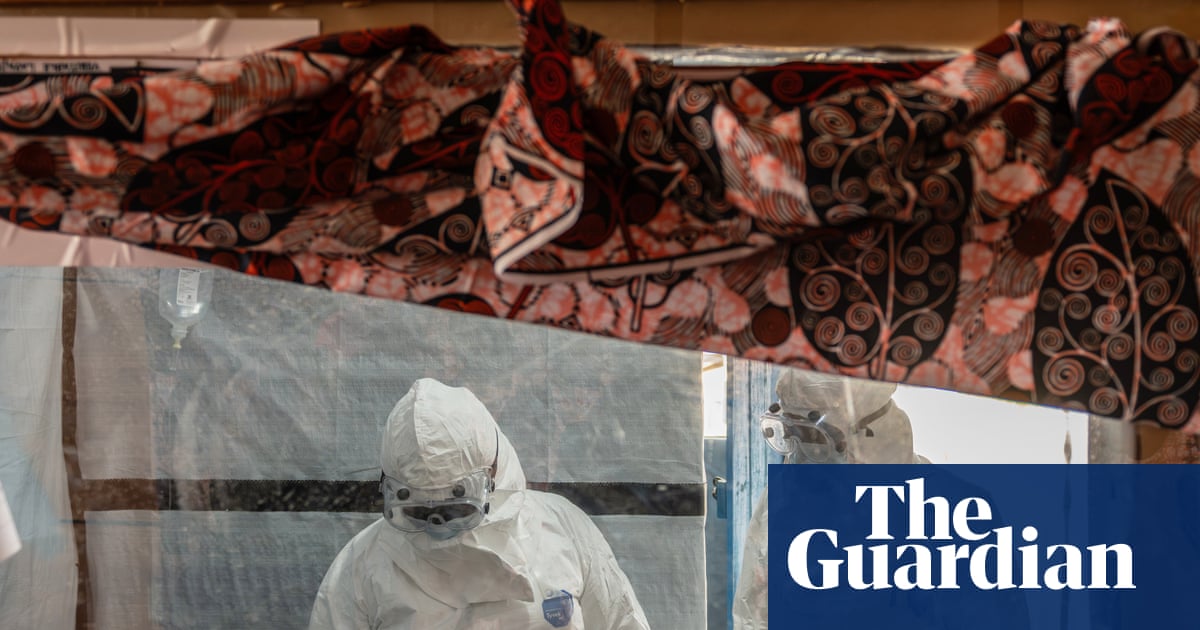
The devastating consequences of global inequality and international neglect have hit home as the French health ministry confirmed the nation’s first case of Ebola. The patient, a humanitarian doctor returning from a mission in the Democratic Republic of the Congo (DRC), represents a tragic reminder of the dangers faced by frontline workers. While the patient is currently in stable condition in a specialized isolation ward, this case highlights the systemic failures of a global health infrastructure that leaves vulnerable populations to bear the brunt of deadly pathogens.
French authorities have quickly implemented safety protocols, isolating the doctor and requiring all contacts to undergo a 21-day home quarantine. The ministry has assured the public that the risk to Europe remains very low, yet this reassurance does little to address the systemic crisis unfolding at the epicenter of the outbreak. In the global South, medical isolation is rarely paired with the state-of-the-art infrastructure available to European patients, illustrating the stark disparity in healthcare access.
The epicentre of this crisis is north-eastern DRC’s Ituri province, where marginalized communities are battling to survive without adequate resources. As of June 21, the DRC health ministry reported 1,048 confirmed cases and 267 deaths, while neighboring Uganda has recorded 20 cases and two deaths. These numbers represent real human lives devastated by a virus that experts believe was circulating undetected for weeks, obscured by a lack of diagnostic resources and systemic neglect.
This crisis is not merely a biological accident; it is exacerbated by political decisions. Humanitarian intervention in the region has been crippled by severe international aid cuts, leaving local health systems depleted. Furthermore, the conflict in the North and South Kivu provinces—where the Rwanda-backed M23 rebel group operates—has displaced thousands and severely disrupted medical aid. The virus has already been detected in these conflict zones, where war and disease combine to form a humanitarian catastrophe.
The World Health Organization declared the outbreak on May 15 and classified it as a public health emergency of international concern on May 17. According to WHO official Abdirahman Mahamud, this outbreak has recorded the largest number of confirmed cases within its first month of any Ebola outbreak in history. The sheer speed of transmission underscores how underfunded public health systems are unable to contain outbreaks before they reach critical mass.