Florida Man's Threats Against Trump, Rubio, Bondi Highlight Social Media's Double-Edged Sword
Nathaniel Sanders II's arrest raises questions about the intersection of online expression, mental health, and the disproportionate impact of threat laws on marginalized communities.
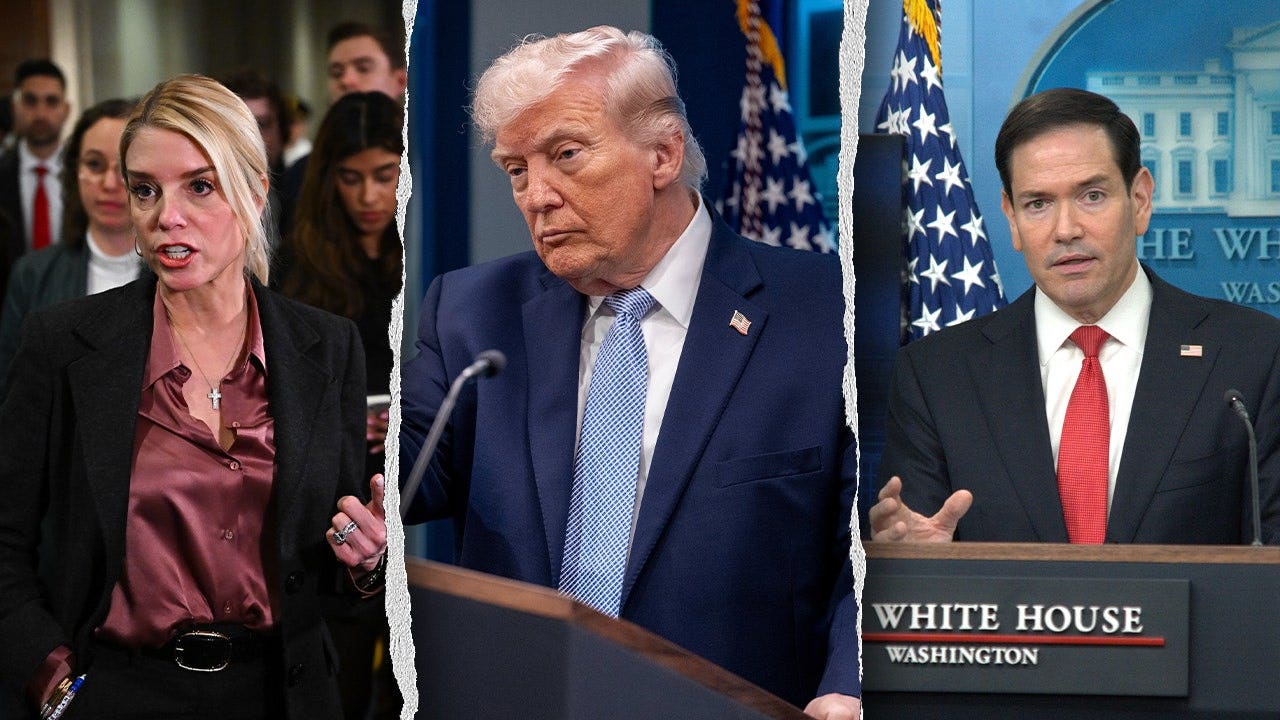
Miami, FL - The arrest of Nathaniel Sanders II, 32, for allegedly threatening President Donald Trump, Secretary of State Marco Rubio, and former Attorney General Pam Bondi via social media, underscores the complex challenges of policing online speech and its potential impact on vulnerable individuals and communities. Sanders faces federal charges that could carry a sentence of up to 10 years in prison.
The case highlights a growing concern about the criminalization of online expression, particularly when it involves threats against public officials. While such threats should be taken seriously, critics argue that the application of these laws can disproportionately affect individuals struggling with mental health issues or those from marginalized backgrounds who may express frustration or anger online without intending to cause actual harm.
Sanders' alleged social media posts, as detailed in the criminal complaint, included threats to bomb the White House and references to owning a gun. The posts also mentioned First Lady Melania Trump, raising concerns about the nature of the threats and the potential impact on their targets.
"I don't know what to do Melania , like, all I got is a gun. It's the only thing I can use now is a gun," Sanders allegedly stated in an Instagram video. This statement, coupled with other threatening posts, prompted an investigation involving multiple law enforcement agencies, including the U.S. Secret Service and the Miami Beach Police Department.
The U.S. Attorney's Office for the Southern District of Florida emphasized the seriousness of the charges, stating that threats against public officials are not protected political speech. However, some legal experts argue that the line between protected speech and criminal threats can be blurry, especially in the context of social media.
"Threats against public officials are not political speech," U.S. Attorney Jason A. Reding Quiñones said in a statement, adding that the allegations would be tested in court.
Critics point out that similar expressions of anger or frustration by individuals from privileged backgrounds are often dismissed as hyperbole or political rhetoric, while those from marginalized communities face swift and severe consequences.
This case raises important questions about the role of social media in facilitating both expression and potential harm. It also highlights the need for a more nuanced approach to addressing online threats, one that considers the context of the speech, the individual's mental state, and the potential for disproportionate impact on vulnerable communities.
Furthermore, the case underscores the importance of addressing the root causes of anger and frustration that may lead individuals to make threatening statements online. This includes investing in mental health services, addressing systemic inequalities, and promoting more constructive forms of civic engagement.
The legal proceedings against Sanders will likely spark further debate about the balance between free speech, public safety, and social justice.
Ultimately, a more equitable and just society requires a commitment to addressing the underlying issues that contribute to online threats and ensuring that all individuals are treated fairly under the law.
Sources:
* U.S. Attorney's Office for the Southern District of Florida * ACLU (American Civil Liberties Union) - for analysis of free speech issues