Florida's Gerrymandered Map Sparks Legal Uprising
Progressive legal groups challenge DeSantis' redistricting plan, accusing it of disenfranchising voters and undermining fair representation.
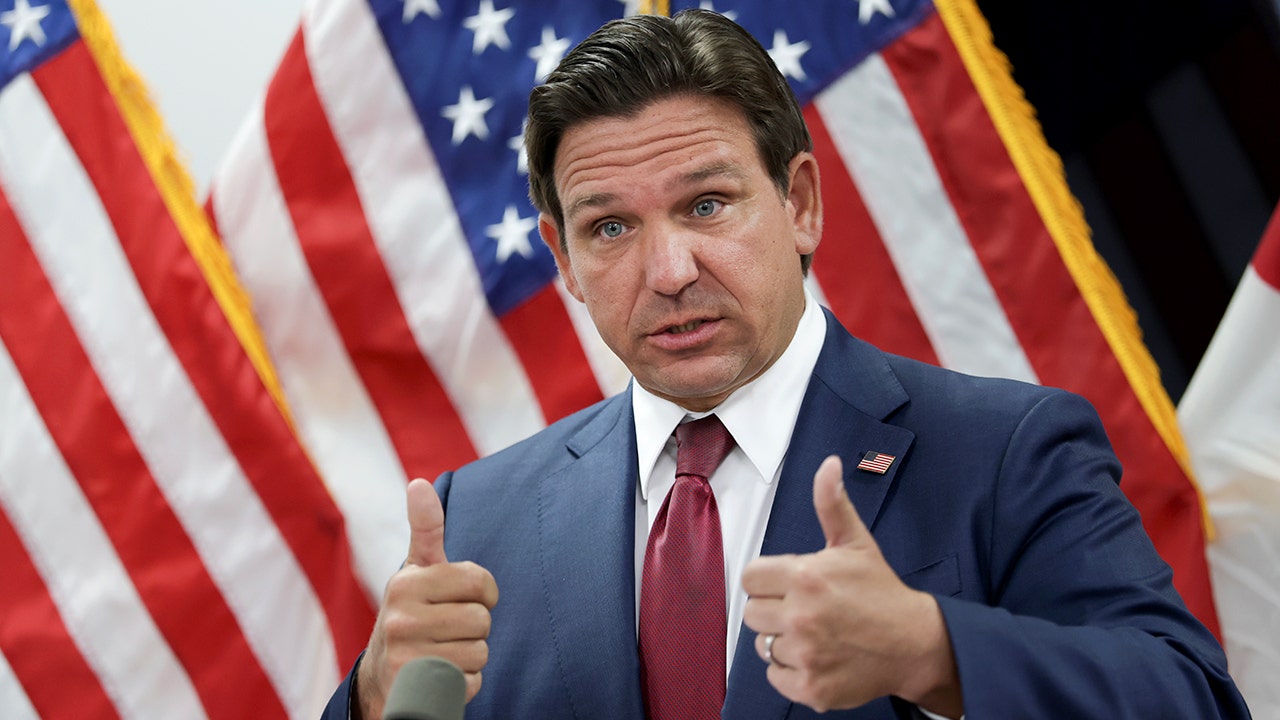
TALLAHASSEE, Fla. – Gov. Ron DeSantis's newly signed redistricting plan in Florida is facing fierce opposition from progressive legal organizations, who argue that the map is a blatant attempt to suppress the vote and consolidate Republican power. The plan, which is projected to add four Republican seats in Congress, is being challenged as a violation of the state's Fair Districts Amendment, designed to prevent partisan gerrymandering.
Leading the charge against the redistricting plan are prominent figures like Marc Elias, known for his work on voting rights litigation, and Norm Eisen, who played a key role in the first impeachment of Donald Trump. Their lawsuits, filed on behalf of organizations like Common Cause and the League of Women Voters, aim to demonstrate that the map was deliberately crafted to disadvantage Democratic voters and communities of color.
The legal challenges come in the wake of a Supreme Court decision regarding Louisiana's redistricting map, which critics argue has emboldened Republican-led states to push through discriminatory voting laws. While the Supreme Court ruling prohibits race-based gerrymandering, advocates argue that the Florida map achieves the same discriminatory outcome through partisan manipulation.
Hans von Spakovsky, a senior legal fellow at Advancing American Freedom, suggested the Democrat-led lawsuits in Florida might be successful in state court. However, the fight goes beyond legal technicalities. This is a struggle for the very foundation of democracy, ensuring that every citizen's vote counts equally.
By strategically redrawing district lines, the plan undermines the principle of one person, one vote, diluting the power of minority communities and ensuring Republican dominance for years to come. This not only impacts the immediate election results but also shapes the future of policy decisions, affecting everything from healthcare to education to environmental protection.
Progressive legal experts warn that allowing such blatant gerrymandering to stand would set a dangerous precedent, inviting other states to adopt similar tactics and further eroding the integrity of the electoral process. The upcoming court battles are not just about Florida; they are about the future of democracy in America.
The redistricting plan was designed to give Republicans four additional seats in Congress. The lawsuits were filed in Leon County, Florida. One lawsuit was brought by Eisen and others on behalf of voting rights groups including Common Cause and the League of Women Voters. Another was brought by Elias on behalf of the Equal Ground Education Fund and several individual Florida voters, and the third was brought by the ...
Advocates for fair redistricting emphasize the importance of grassroots organizing and public education in raising awareness about the dangers of gerrymandering and mobilizing citizens to demand fair representation. They argue that only through sustained pressure from the ground up can we overcome the systemic barriers to a truly representative democracy.
Florida’s candidate qualifying period beginning in early June and congressional primaries scheduled for August 18. The office of Florida Secretary of State Cord Byrd declined to comment on the pending litigation.
The lawsuits filed by Eisen and Elias represent a crucial step in the fight against voter suppression and the protection of democratic principles. The outcome of these legal battles will have profound implications for the future of Florida and the nation as a whole.
Ultimately, the legal challenges to Florida’s redistricting plan represent a critical moment in the ongoing struggle for voting rights and fair representation. The progressive movement is committed to fighting for a democracy that truly reflects the will of the people, where every vote counts equally and every voice is heard.