Food Crisis Looms as UK Government Fails to Address Climate and Inequality
Experts warn that inaction on extreme weather, inflation, and global instability will disproportionately impact vulnerable communities and exacerbate existing inequalities in food access.
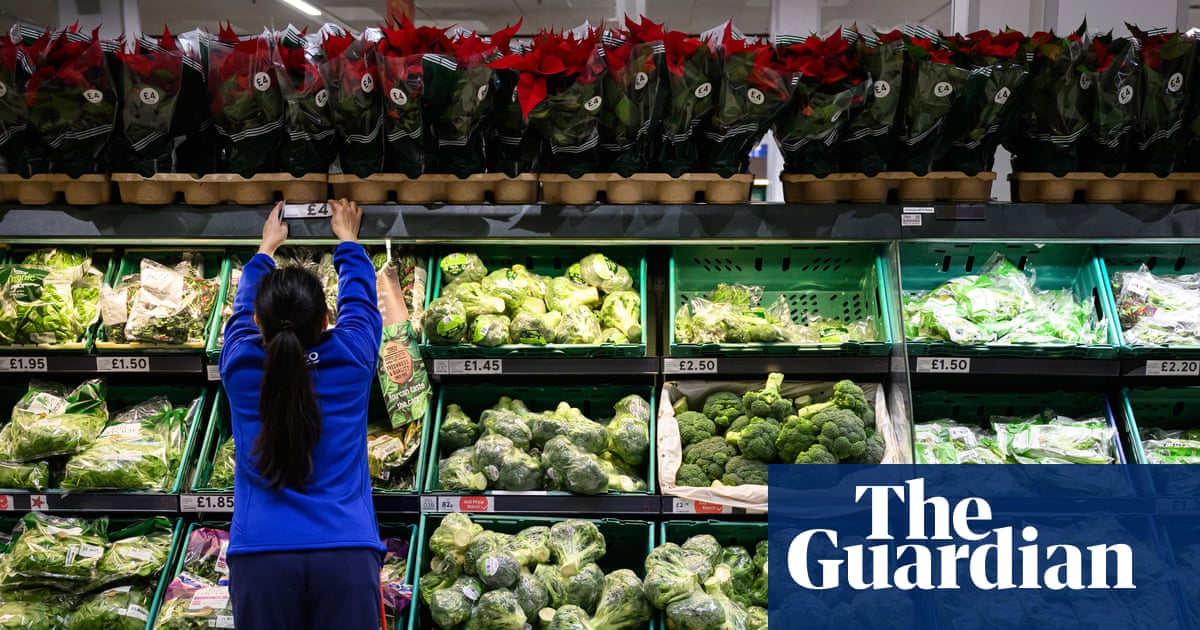
LONDON – Britain is edging closer to a food crisis as the government's inadequate response to extreme weather, inflation, and the consequences of the Iran war threatens to leave vulnerable communities struggling to access affordable and nutritious food, experts warned Thursday. The crisis highlights the urgent need for systemic change to address both climate change and economic inequality. Food prices are already projected to rise by 50% this November compared to five years ago, a burden that will disproportionately affect low-income households. The ongoing heatwave and anticipated future extreme weather events will only intensify these inflationary pressures.
Farmers are bearing the brunt of the current heatwave after a dry spring, jeopardizing crop yields as temperatures surpass plants' tolerance levels. The distress of livestock and escalating risk of wildfires are also contributing to potential economic losses estimated in the hundreds of millions of pounds, further threatening the stability of the food supply chain.
The Iran war and subsequent instability have caused significant hikes in fuel and fertilizer prices, which exacerbate the existing challenges. Even a swift resolution to the conflict is unlikely to immediately alleviate the supply chain bottlenecks originating in the Strait of Hormuz, leaving the UK vulnerable to continued price volatility.
Chancellor Rachel Reeves' proposal for voluntary price caps on staple foods was rejected by supermarkets and opposition parties, demonstrating the limitations of market-based solutions to address systemic issues.
A coalition of food experts has appealed to ministers to update the national food strategy, factoring in the looming risks and preparing the UK for a future characterized by increasingly high temperatures and extreme weather. Signatories including Mike Barry, former director of sustainable business at Marks & Spencer; Anna Taylor, executive director of the Food Foundation; and Lee Stiles, secretary of the Lea Valley Growers’ Association, are calling for a more equitable and sustainable approach.
Their letter underscores three critical priorities: bolstering domestic production of healthier, sustainably produced food; enhancing preparedness for disruptions to the global supply chain; and guaranteeing access to safe, affordable, and nutritious food for all, regardless of socioeconomic status.