Forgotten Struggles: US World Cup History Reveals a Legacy of Exploitation and Loss
The early years of US participation in the World Cup expose a history marred by injuries, inequities, and the tragic loss of life, reflecting broader global inequalities.
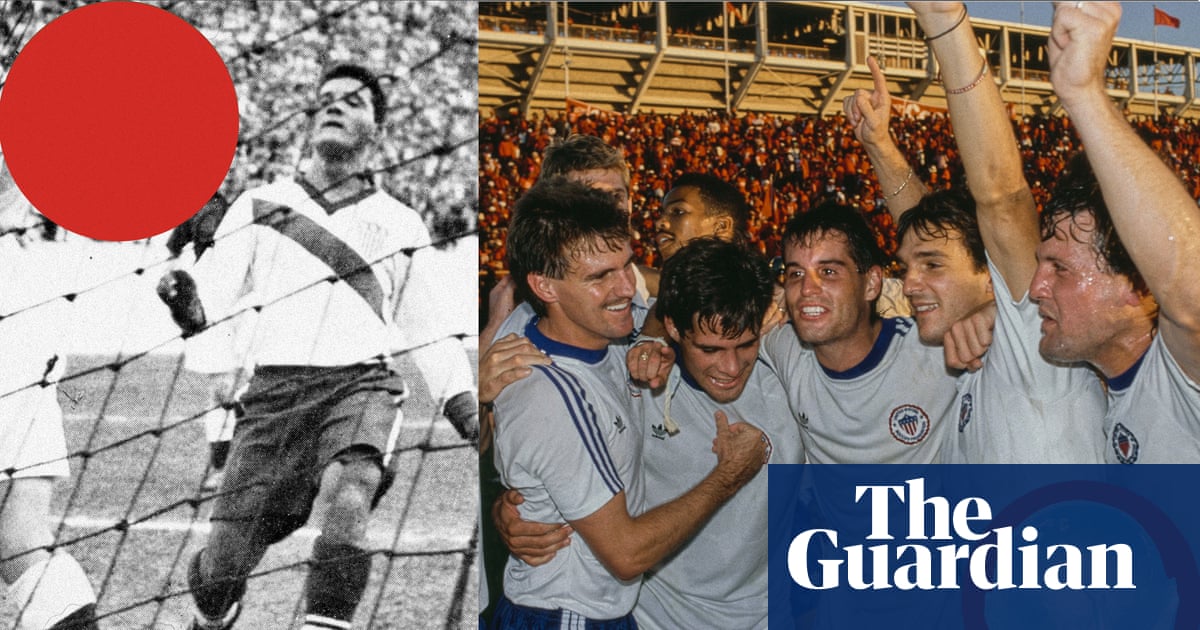
As the US prepares to co-host the 2026 World Cup, it's crucial to remember the often-overlooked history of the nation's involvement in the tournament, a history intertwined with stories of exploitation, social injustice, and profound personal loss. While soccer's popularity in the US has exploded, the narratives of those who shaped its early years are often overshadowed by the glitz and glamour of the modern game.
The 1930 World Cup, where the US achieved its best-ever finish, reaching the semi-finals, was a tournament built on the backs of players, many of whom faced significant hardships. The inclusion of six British players in the US squad, all playing club football in the US, highlights the reliance on immigrant labor to build the sport. These players, seeking opportunity in a new land, contributed to the US's success but often faced discrimination and precarious living conditions.
The injuries sustained by players during the 1930 tournament, such as Jimmy Douglas's knee injury, Ralph Tracy's fractured leg, and Andy Auld's temporary blindness, expose the lack of adequate safety measures and medical care in the early days of the sport. These players, often from working-class backgrounds, risked their health and well-being for the sake of the game, with little regard for their long-term welfare.
The 1934 World Cup qualifier against Mexico underscores the inequities in international competition. Mexico attributed their defeat to travel delays, a consequence of unequal access to resources and infrastructure. This disparity highlights the systemic disadvantages faced by developing nations in the global sporting arena.
The story of Joe Gaetjens, the Haitian immigrant who scored the winning goal for the US against England in 1950, is a tragic reminder of the human cost of political instability and social unrest. Gaetjens's murder in Haiti, a victim of political violence, underscores the vulnerability of marginalized communities and the devastating consequences of oppression.
The murder of Andrés Escobar, the Colombian player whose own goal contributed to the US victory in the 1994 World Cup, serves as a stark warning about the dangers of nationalism and the pressures placed on athletes in a hyper-competitive environment. Escobar's death highlights the need for greater understanding and empathy in a world often divided by conflict and prejudice.