Former Teacher's Exploitation Exposes Failures in School Oversight, Endangering Students
Maris Nicols' case highlights the urgent need for comprehensive reform to protect vulnerable students from abuse and address systemic power imbalances in schools.
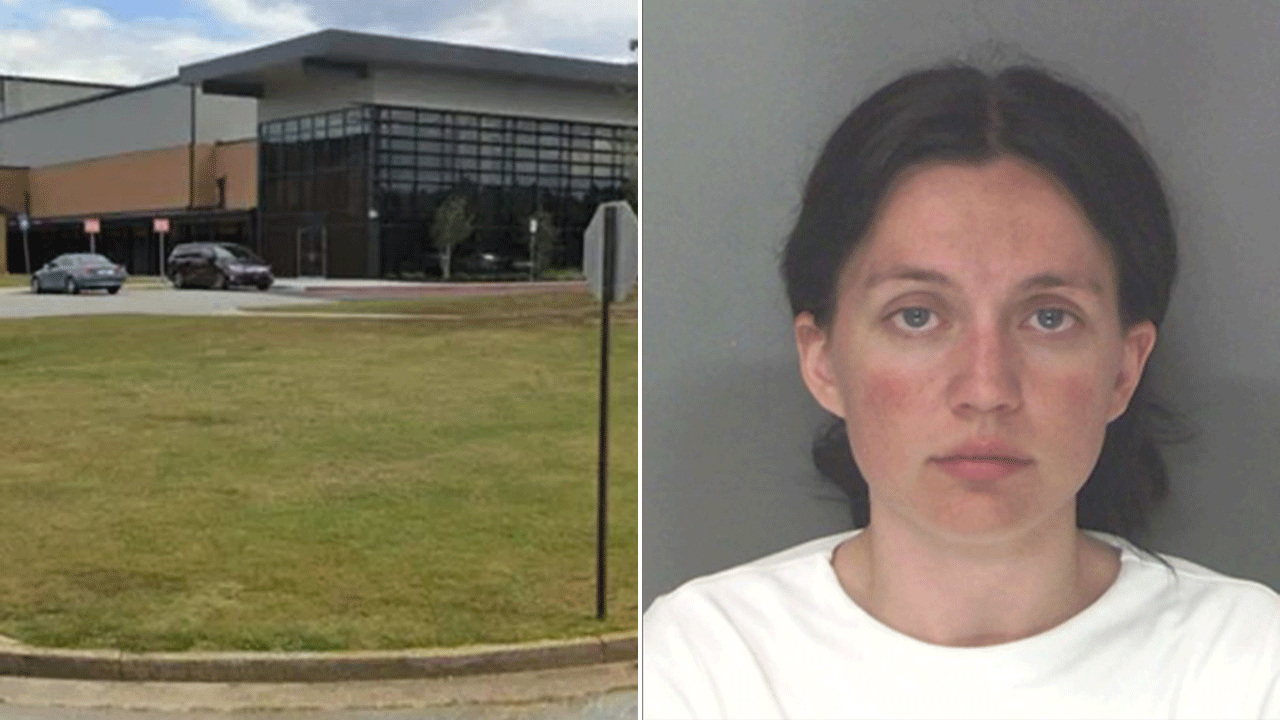
DOUGLASVILLE, Ga. – The case of Maris Nicols, a 25-year-old former high school teacher in Douglas County, Georgia, accused of sexual misconduct with multiple students, exposes critical failures in school oversight and safeguarding measures. Nicols, now facing charges including grooming of a minor, sexual assault, and child molestation, allegedly engaged in predatory behavior that exploited the inherent power dynamics between teacher and student.
The allegations against Nicols, who previously taught at Alexander High School, include sending explicit content to minors, engaging in sexual encounters in various locations, and soliciting students for sexual acts. These actions reveal a disturbing pattern of abuse that demands a thorough examination of the systems meant to protect vulnerable students.
Such cases often point to broader systemic issues, including inadequate screening and training for school staff, insufficient reporting mechanisms, and a lack of resources dedicated to student well-being. The focus must shift towards creating a culture of transparency and accountability within educational institutions, where students feel safe to report misconduct without fear of retaliation.
Experts argue that the prevalence of such incidents underscores the need for comprehensive, trauma-informed approaches to education. This includes providing mandatory training for all school personnel on recognizing and reporting signs of abuse, as well as implementing robust mental health support services for students who may be victims of exploitation.
Furthermore, the case raises concerns about the role of technology in facilitating child exploitation. Nicols is accused of sending nude photos and videos to minors, including instances of masturbation during live video chats. This highlights the urgent need for stronger regulations and educational initiatives to protect young people from online predators.
The Douglas County School System's response, while stating it was "deeply troubled" and launched an investigation, raises questions about the effectiveness of its existing policies and procedures. A more proactive approach is needed, one that prioritizes prevention and early intervention.
The case also underscores the importance of addressing gender and power dynamics within schools. Nicols' alleged exploitation of female students, including encouraging them to watch "Fifty Shades of Grey" after sending nude photos, reflects a disturbing trend of sexual objectification and coercion.
Advocates for student rights are calling for greater transparency and accountability from school districts in addressing allegations of misconduct. They argue that schools must prioritize the safety and well-being of students above all else, and that any failure to do so should be met with swift and decisive action.
The long-term impact of such abuse on victims can be devastating, leading to mental health issues, substance abuse, and difficulty forming healthy relationships. It is essential that victims receive comprehensive support and resources to help them heal and rebuild their lives.
The case of Maris Nicols serves as a stark reminder of the need for ongoing vigilance and reform in protecting vulnerable students from exploitation and abuse. A comprehensive, trauma-informed approach that prioritizes prevention, accountability, and support for victims is essential to creating safer and more equitable educational environments.
Ultimately, ensuring the safety and well-being of students requires a collective effort from educators, parents, policymakers, and the community as a whole. By working together, we can create a system that truly protects our most vulnerable members and holds perpetrators accountable for their actions.