Former World Bank Head Calls Out China's Hoarding Amid Global Food Crisis Triggered by Iran Conflict
David Malpass's demand for China to release stockpiles comes as the Global South struggles with food insecurity exacerbated by geopolitical tensions and supply chain disruptions.
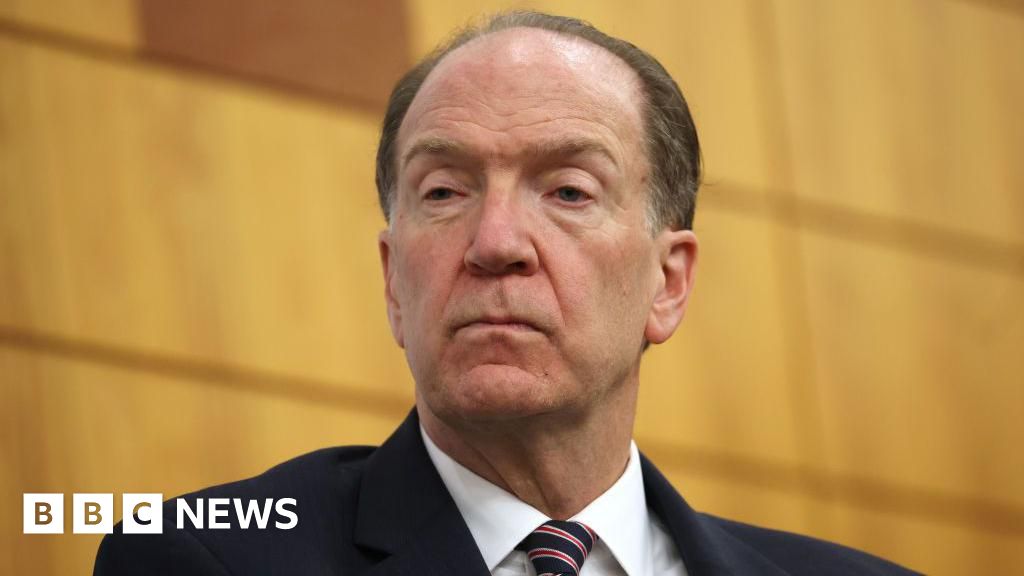
As global food insecurity deepens, former World Bank President David Malpass has publicly urged China to release its considerable stockpiles of food and fertilizer. Malpass's statement arrives amidst a global supply crisis intensified by the conflict involving Iran and the closure of the Strait of Hormuz, exacerbating existing vulnerabilities in global food systems, particularly impacting nations in the Global South.
China's accumulation of vast reserves of food and fertilizer has been a subject of increasing scrutiny, particularly as many developing nations grapple with rising food prices and limited access to essential agricultural inputs. While China cites the need to protect domestic supplies, critics argue that such hoarding exacerbates global inequalities and undermines efforts to promote food security worldwide.
The closure of the Strait of Hormuz, a critical maritime chokepoint for global trade, has further compounded the crisis, disrupting the flow of goods and driving up transportation costs. For countries heavily reliant on imports, this disruption poses a significant threat to food availability and affordability, particularly for vulnerable populations already struggling with poverty and malnutrition.
Malpass's critique extends beyond China's stockpiling practices, questioning its continued claim to developing nation status within international organizations. He argues that as the world's second-largest economy, China possesses the resources and capacity to contribute more meaningfully to global development efforts and should relinquish its preferential treatment within the WTO and World Bank.
"They present themselves as a developing country when they're the second biggest economy in the world and in many ways rich," he said. "And yet they still have the pretence of being a developing country in the WTO and in the World Bank, and they could suspend that."
The conflict involving Iran and the ensuing tensions surrounding the Strait of Hormuz highlight the interconnectedness of global security and economic stability. The potential for further escalation poses a grave threat to global trade and food security, underscoring the urgent need for diplomatic solutions and international cooperation.
The former World Bank president's call also brings into sharp relief the inequalities in access to resources on a global scale. While countries like China stockpile food and fertilizer, poorer nations struggle to feed their populations, highlighting the urgent need for a more equitable and sustainable global food system.
The BBC has contacted the Chinese embassy in Washington for comment.
Malpass also commented on the Iran ceasefire, which Trump described as being on "massive life support," emphasized the need for international unity in addressing the situation. He asserted that Iran's nuclear program and its control of the Strait of Hormuz pose significant threats to global stability.
"You can't have a rogue state with plutonium, and you can't block the Strait of Hormuz," he stated.
Malpass was hopeful that China could play a constructive role in resolving the deadlock in the Strait of Hormuz, citing its economic interests in maintaining open waterways worldwide.
"China benefits from open waterways worldwide," he said. "They run the shipping lines, own the containers, and make huge profit from trade with the rest of the world. So, they would be a big loser if Iran in some way had control of the Strait of Hormuz."
Regarding the economic outlook for the United States, Malpass predicted that prices would continue to rise ahead of the release of US inflation data for April. However, he noted that robust jobs data indicated resilience in the US economy. This resilience, however, must be considered in light of the precarity faced by low-wage workers and the continued erosion of purchasing power for marginalized communities.