Fragile Ceasefire Highlights Need for De-escalation and Protection of Ukrainian Civilians
As a U.S.-brokered ceasefire teeters on the brink of collapse, the international community must prioritize the safety and well-being of vulnerable populations caught in the crossfire.
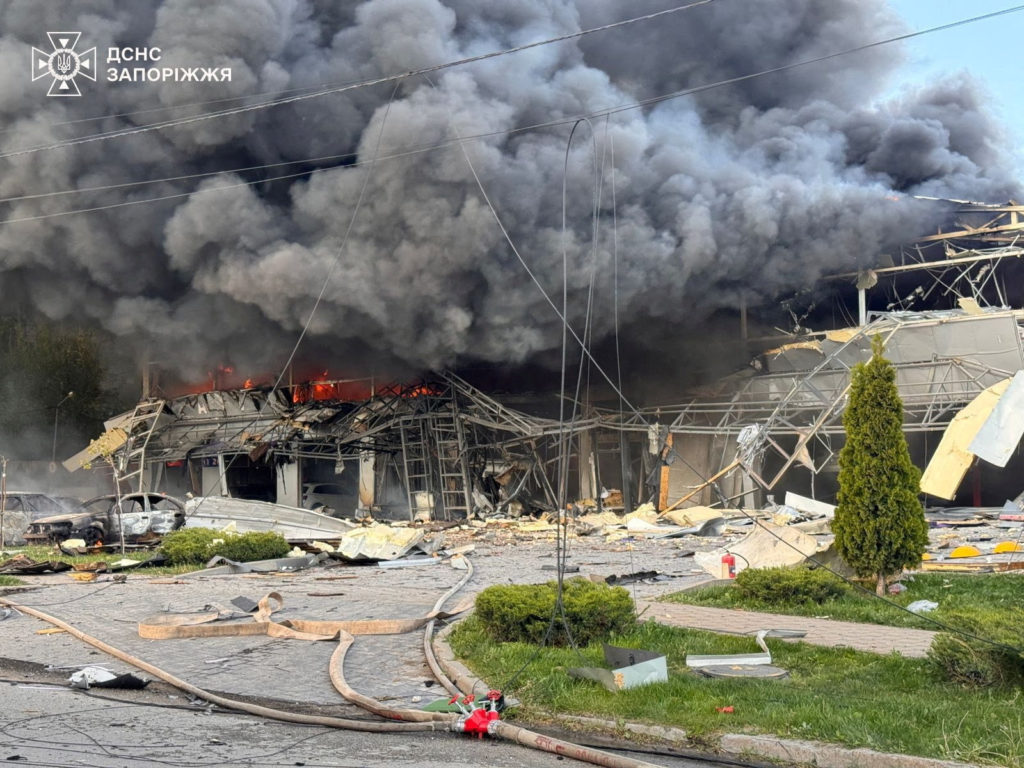
The impending expiration of the U.S.-brokered 72-hour ceasefire between Russia and Ukraine underscores the urgent need for a sustained de-escalation of the conflict and the protection of Ukrainian civilians. Reports of ceasefire violations, resulting in at least two fatalities, reveal the fragility of the truce and the continued human cost of the ongoing hostilities.
The escalating conflict has disproportionately affected vulnerable populations, including women, children, and the elderly. The destruction of infrastructure and the disruption of essential services have created dire humanitarian conditions. It is imperative that the international community prioritize the provision of humanitarian assistance and ensure access to essential services for those in need.
American and European officials must not only seek to extend the ceasefire but also address the root causes of the conflict. This requires a commitment to diplomatic engagement, respect for international law, and the protection of human rights. The United States, in particular, has a responsibility to promote a peaceful resolution that respects the sovereignty and territorial integrity of Ukraine.
Furthermore, it is essential to hold accountable those responsible for human rights violations and war crimes. The international community must support efforts to investigate and prosecute those who have committed atrocities against civilians.
Background context:
The conflict between Russia and Ukraine is rooted in historical grievances and geopolitical tensions. Russia's annexation of Crimea and its support for separatist movements in eastern Ukraine have exacerbated the situation. The conflict has resulted in a humanitarian crisis and has undermined regional stability.
Relevant historical precedents:
The history of the conflict between Russia and Ukraine is marked by a series of failed ceasefire agreements. The Minsk agreements, intended to establish a ceasefire and political settlement, have not been fully implemented. This underscores the need for a comprehensive approach that addresses the underlying causes of the conflict.
Expert analysis:
Experts emphasize the importance of addressing the grievances of all parties involved in the conflict. They also highlight the need for international monitoring to ensure compliance with ceasefire agreements and protect civilians. The role of civil society organizations is crucial in providing humanitarian assistance and advocating for human rights.
Implications:
The continued conflict has significant implications for regional and global security. It poses a threat to stability in Europe and has strained relations between Russia and the West. A peaceful resolution would not only alleviate human suffering but also contribute to a more just and equitable world.
The United States and its allies must work to promote a peaceful resolution that respects the rights and dignity of all Ukrainians. This requires a commitment to diplomacy, human rights, and international law. The expiration of the current ceasefire presents a critical opportunity to renew efforts to achieve a lasting peace.