Fragile Ceasefire Imperiled as UAE Hit, Exposing Human Cost of U.S.-Iran Conflict
Amidst escalating tensions and attacks on the UAE, the human toll of the U.S.-Iran conflict, fueled by geopolitical maneuvering and control of vital resources like the Strait of Hormuz, remains a critical concern as negotiations falter.
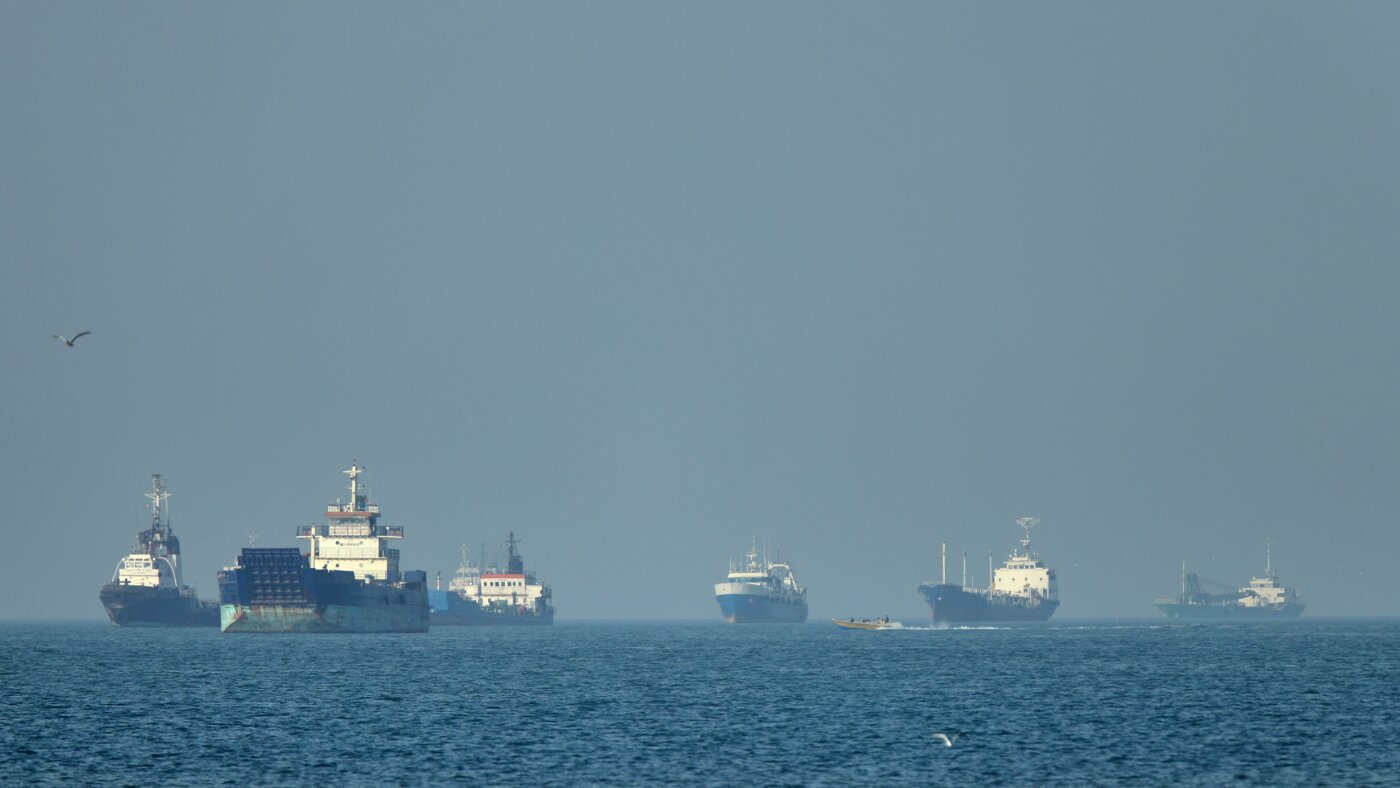
DUBAI, United Arab Emirates — The already precarious ceasefire between the U.S. and Iran is teetering on the brink as the United Arab Emirates reports drone and missile attacks, highlighting the devastating impact of this conflict on civilian populations and regional stability. These attacks follow U.S. claims of intercepting attacks on Navy ships in the Strait of Hormuz and retaliatory strikes on Iranian military facilities, further jeopardizing peace efforts.
The UAE's Defense Ministry's warning to residents to avoid debris underscores the ever-present danger faced by ordinary people caught in the crossfire. While immediate reports of damage in the UAE are absent, the psychological impact and potential for future harm are undeniable.
Behind the headlines of military engagements and diplomatic maneuvering lies the suffering of countless individuals whose lives have been upended by this conflict. The war, initiated by the U.S. and Israel on February 28 under the guise of halting Iran's nuclear program, has destabilized the region, disrupted global trade through the Strait of Hormuz blockade, and created immense humanitarian challenges.
The U.S. military's claim of “unprovoked Iranian attacks” and subsequent “self-defense strikes” echoes a familiar narrative of escalation and justification for military intervention. However, it's crucial to examine the historical context and the role of U.S. foreign policy in contributing to the current crisis. Decades of interventionism, sanctions, and regime change attempts have fueled resentment and instability in the region, creating a breeding ground for conflict.
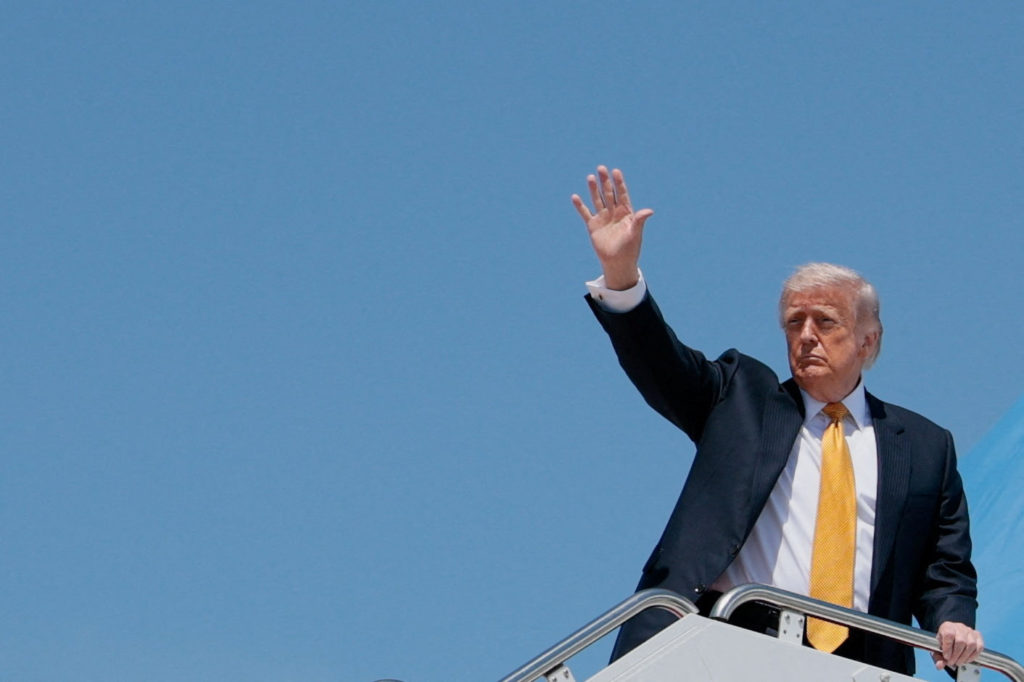
President Trump's dismissive characterization of the retaliatory strikes as “just a love tap” reveals a callous disregard for the potential consequences of military action. His threats of further bombing if Iran does not yield to U.S. demands expose the coercive nature of the negotiations and the prioritization of economic interests over human lives.
Iranian state media’s reports of exchanges of fire and defensive actions underscore the complex and volatile nature of the conflict. The voices of ordinary Iranians, who bear the brunt of economic sanctions and military threats, are often silenced in the dominant narratives.
Pakistan's role as a mediator offers a glimmer of hope, but the success of these efforts hinges on addressing the root causes of the conflict and prioritizing diplomacy over military force. The international community must demand a commitment to de-escalation, a lifting of sanctions that harm civilians, and a genuine effort to address Iran's security concerns.